February 4, 2026
The Hidden Cost of "Cheap" Software: Why UAE SMEs Are Losing Millions in Data Silos
Milaaj Editorial / Research Insights

For many small and medium sized enterprises in the UAE, choosing software often starts with one goal: keep costs low. Affordable accounting tools, low cost CRM systems, entry level inventory platforms, and basic HR applications appear attractive when budgets are tight. Yet over time, these decisions quietly create something far more expensive than premium systems ever would.
That invisible expense is data silos.
When each department relies on a different tool that does not communicate with the others, businesses lose efficiency, visibility, and money. This is the real story behind the hidden cost of cheap software UAE SMEs continue to underestimate.
In this guide, we will explore how disconnected systems damage operations, inflate IT spending, and slow growth, along with what UAE companies can do to avoid falling into this trap.
Why Cheap Software Is So Popular Among UAE SMEs
Dubai and the wider UAE have vibrant entrepreneurial ecosystems. Startups and growing SMEs launch every day in retail, logistics, professional services, real estate, manufacturing, and e commerce.
In the early stages, cost control matters. Subscription based tools promise:
- Low monthly fees
- Quick setup
- Minimal IT involvement
- Cloud hosting
- Department specific solutions
These advantages make inexpensive SaaS platforms feel like a smart move. Each team chooses its own system to solve immediate problems.
Finance picks accounting software.
Sales signs up for a CRM.
Marketing adopts campaign tools.
Operations implements inventory software.
HR subscribes to payroll platforms.
Individually, these choices seem reasonable. Together, they create fragmentation.
What Are Data Silos and Why Are They Dangerous
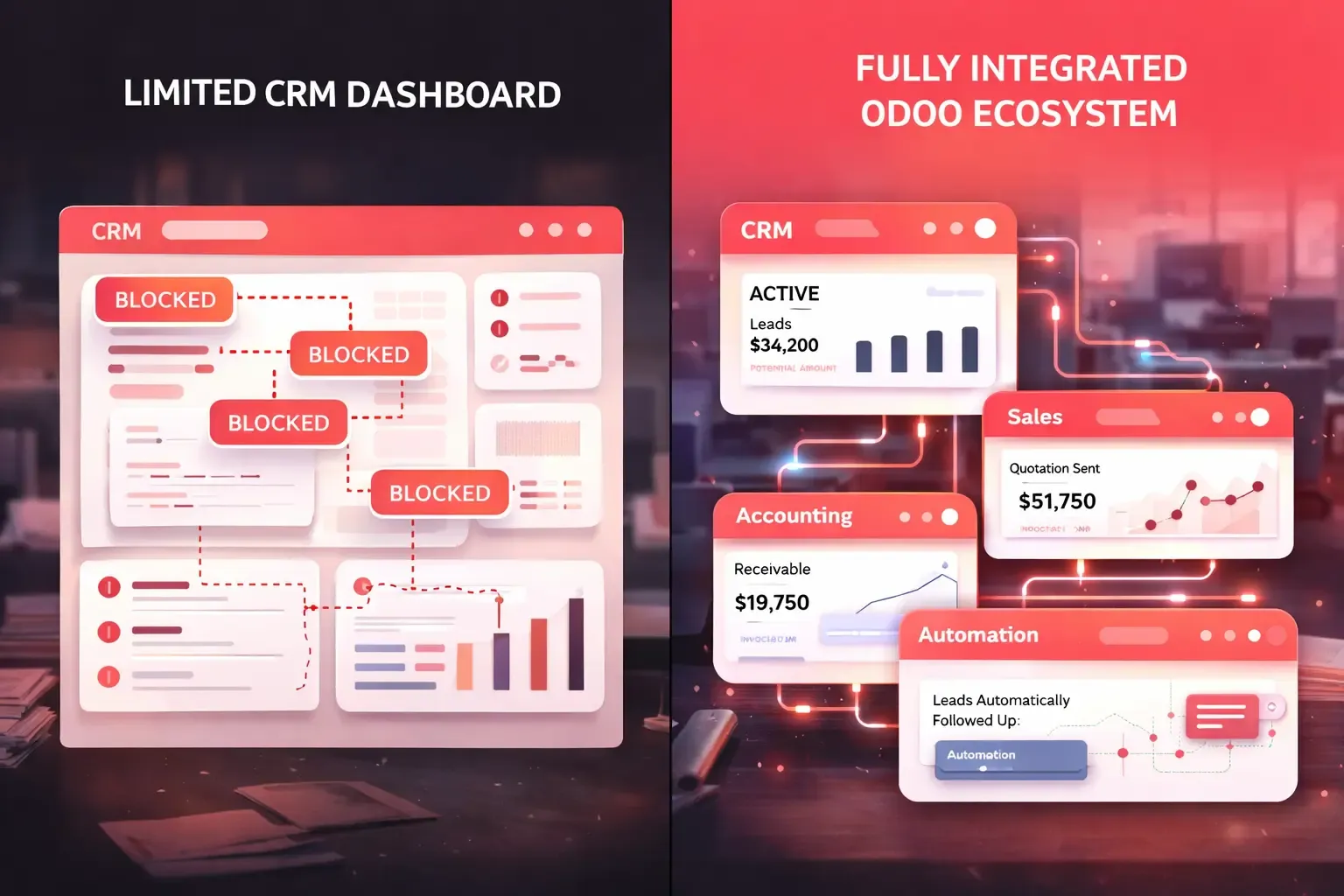
A data silo forms when information sits inside one system and remains inaccessible to others. Sales data lives in CRM. Financial records stay in accounting software. Inventory numbers appear in warehouse tools. Marketing metrics stay in analytics platforms.
Because these systems do not share a common database, employees must manually move data between them.
This leads to:
- Duplicate customer records
- Conflicting revenue numbers
- Stock mismatches
- Delayed reporting
- Compliance risks
- Poor decision making
Over months and years, silos quietly drain productivity. That is why the hidden cost of cheap software UAE SMEs face often surpasses the license fees they originally tried to save.
The Financial Impact of Disconnected Systems
The real damage rarely appears on one invoice. Instead, it spreads across daily operations.
Manual Work and Payroll Waste
Staff spend hours exporting spreadsheets, reconciling numbers, and re entering data. That labor costs money every month.
Errors and Rework
When systems disagree, teams chase discrepancies. Wrong invoices, incorrect stock counts, and duplicated leads lead to refunds, delays, and lost trust.
Slow Decision Making
Management cannot access real time dashboards. Reports take days to compile, which slows pricing changes, marketing adjustments, and procurement planning.
IT and Integration Costs
Even cheap tools require connectors, middleware, or custom APIs to share information. These hidden technical expenses grow quickly.
Add these together and the hidden cost of cheap software UAE SMEs experience becomes substantial.
How Data Silos Limit Business Growth in the UAE
The UAE market rewards agility. Companies expand into new emirates, open branches, scale online sales, and work with international partners. Fragmented systems make this harder.
Disconnected platforms restrict growth because:
- Multi branch reporting becomes complex
- VAT reconciliation takes longer
- Forecasting demand lacks accuracy
- Customer experience feels inconsistent
- Audits require manual preparation
As organizations grow, what once felt like a low cost stack turns into a fragile foundation.
Common Signs Your SME Is Struggling with Data Silos
Many business owners only realize they have a problem when operations slow down. Warning signs usually include:
- Different departments reporting different revenue numbers
- Customer records duplicated across systems
- Inventory shortages despite healthy sales
- Finance unable to track marketing ROI
- Management relying on spreadsheets
- Subscription costs increasing every year
- IT teams constantly fixing integrations
If several apply, your company may already be paying the hidden cost of cheap software UAE SMEs encounter when systems operate in isolation.
Why Cheap Does Not Mean Cost Effective
Low monthly pricing often hides long term consequences.
Cheap software typically:
- Focuses on one department only
- Lacks enterprise grade reporting
- Offers limited automation
- Requires third party integrations
- Scales poorly
- Creates data fragmentation
Cost effective systems, on the other hand, reduce overhead through automation, visibility, and streamlined workflows.
That distinction explains why many UAE businesses now rethink early technology decisions.
The Role of ERP in Eliminating Data Silos
Enterprise Resource Planning platforms take a very different approach.
Instead of running separate tools, ERP systems centralize data inside one shared environment. Accounting, CRM, inventory, HR, purchasing, marketing automation, manufacturing, and reporting live on the same database.
This architecture removes silos by design.
Benefits include:
- One customer record across departments
- Real time financial updates
- Automated stock adjustments
- Unified reporting dashboards
- Built in compliance features
- Fewer integrations
For SMEs outgrowing cheap SaaS tools, ERP adoption becomes a turning point.
Why UAE SMEs Are Accelerating Digital Transformation
Across Dubai and the Emirates, SMEs now prioritize digital transformation not just to modernize but to survive in competitive sectors.
Local business needs include:
- VAT compliant accounting
- Arabic and English interfaces
- Multi currency support
- Multi company structures
- Regulatory ready reporting
- Cloud ERP deployment
Platforms that support these requirements reduce operational friction and prepare companies for expansion.
Industry Examples: How Data Silos Hurt Different Sectors
Retail Businesses
POS systems, inventory tools, marketing platforms, and accounting software operate separately. Promotions cause stockouts because forecasting lacks live sales data.
Logistics Companies
Quotations sit in CRM, while fleet management runs elsewhere and invoices stay in finance systems. Delays and billing errors follow.
Professional Services Firms
Project tracking, payroll, and billing platforms do not align, making profitability analysis difficult.
Manufacturing SMEs
Production planning, procurement, quality control, and accounting exist in silos, leading to material shortages and compliance risks.
Each scenario reflects the same issue: fragmentation limits performance.
Why Software Consolidation Reduces Long Term Costs
Replacing multiple cheap tools with one integrated platform often lowers total ownership cost.
Savings come from:
- Cancelled SaaS subscriptions
- Reduced middleware and API tools
- Lower IT maintenance
- Faster workflows
- Fewer data errors
- Improved planning accuracy
Although ERP systems appear more expensive initially, they usually pay for themselves by eliminating inefficiencies created by disconnected tools.
How UAE SMEs Can Break Free from Data Silos
Escaping the trap requires planning, not panic.
1. Audit Your Current Software
List every system your teams use, including integrations and support contracts.
2. Identify Overlaps
Look for duplicated features across platforms, such as invoicing or customer databases.
3. Map Core Processes
Understand how leads turn into orders, how purchases reach inventory, and how invoices close in finance.
4. Evaluate Integrated Platforms
Compare ERP options designed for SMEs and UAE compliance.
5. Plan Data Migration
Move customer records, products, suppliers, and financial history carefully.
6. Train Employees
Adoption determines success. Department specific training ensures smooth transitions.
The Strategic Advantage of Unified Data
When silos disappear, companies gain:
- Accurate forecasting
- Faster reporting
- Clear profitability analysis
- Improved customer experience
- Better compliance
- Smarter investment decisions
These advantages create competitive edge in crowded markets like Dubai.
Final Thoughts: Cheap Software Often Costs the Most
Choosing low cost tools may feel sensible at first, yet fragmented systems quietly drain resources year after year. Lost productivity, reporting delays, integration fees, and errors all contribute to the hidden cost of cheap software UAE SMEs struggle with as they grow.
For businesses across the Emirates, the lesson is clear. Short term savings can lead to long term inefficiency. Integrated systems that remove data silos create stability, scalability, and transparency.
Organizations exploring ERP adoption in the UAE often begin by reviewing trusted Odoo implementation services in Dubai from Milaaj Brandset, especially when planning to replace disconnected systems with a unified platform.
If your company depends on multiple standalone tools, now may be the right time to reassess your digital foundation. Learning how professional ERP consultants streamline operations can be a practical first step toward eliminating silos and building sustainable growth for the future.

Ready to Elevate Your Brand?
Start Your Project Today