October 13, 2025
Hyper-Personalization in E-Commerce: Winning Customers with AI in 2025
Milaaj Editorial / Research Insights
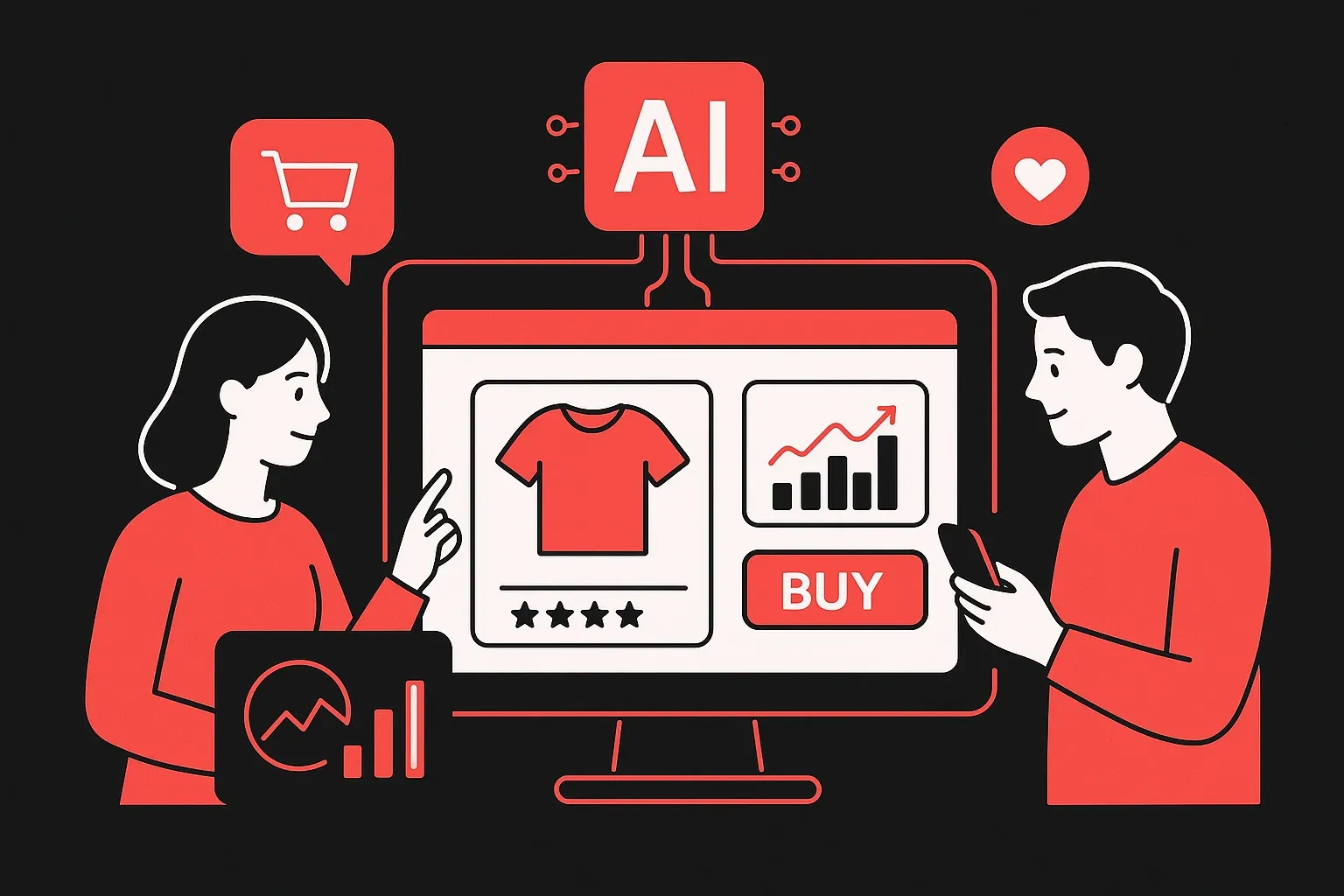
The e-commerce industry is evolving faster than ever. As consumer expectations rise, traditional personalization tactics—like addressing a customer by name or showing similar products—are no longer enough. In 2025, brands are moving toward hyper-personalization, powered by artificial intelligence (AI), data analytics, and machine learning.
Hyper-personalization goes beyond surface-level customization. It understands customer intent, predicts behavior, and tailors every aspect of the shopping experience—from homepage content to product recommendations—in real time.
In this blog, we’ll explore how AI-driven hyper-personalization is reshaping e-commerce in 2025, why it works, and how brands can leverage it to win loyal customers and drive higher conversions.
What Is Hyper-Personalization?
Hyper-personalization is an advanced form of personalization that uses real-time data, AI, and predictive analytics to deliver content, offers, and experiences uniquely tailored to each individual.
While traditional personalization relies on static data (like demographics or purchase history), hyper-personalization integrates multiple dynamic factors, including:
- Browsing patterns
- Time spent on specific product pages
- Social media activity
- Device type and location
- Emotional sentiment and intent
This data allows brands to predict what a customer will want—even before they realize it themselves.
The AI Technology Powering Hyper-Personalization
In 2025, the backbone of hyper-personalization lies in advanced AI models and data-driven algorithms. Here’s how it works:
1. Machine Learning (ML) Models
Machine learning continuously learns from customer interactions, improving recommendations and product placements. For example, if a user often buys eco-friendly products, the AI prioritizes sustainable options automatically.
2. Predictive Analytics
Predictive analytics identifies future buying intentions based on patterns. If a customer frequently browses fitness gear in January, the system anticipates new-year fitness goals and highlights related deals.
3. Natural Language Processing (NLP)
NLP helps AI understand human language and sentiment from reviews, search terms, and chat interactions—enabling tone-appropriate marketing and content suggestions.
4. Recommendation Engines
Recommendation systems—like those used by Amazon, Netflix, and Spotify—form the core of AI hyper-personalization. They suggest products, bundles, or complementary items that match each shopper’s unique behavior.
Why Hyper-Personalization Matters in 2025
Customers expect convenience, relevance, and empathy. Hyper-personalization meets these expectations by creating shopping experiences that feel tailored and effortless.
1. Customers Demand Relevance
A 2025 eMarketer report shows that over 80% of online shoppers prefer brands that “understand them.” AI personalization ensures that every interaction feels individually curated.
2. Better Engagement and Conversions
When recommendations are relevant, engagement and conversions increase. AI helps deliver the right product at the right time, dramatically improving ROI.
3. Stronger Customer Loyalty
Hyper-personalization fosters emotional connection. When customers feel seen and understood, they’re more likely to return and recommend the brand.
4. Competitive Advantage
With thousands of online stores offering similar products, personalization becomes the ultimate differentiator. Brands leveraging AI personalization stay one step ahead.
Key Components of AI Hyper-Personalization in E-Commerce
1. Real-Time Data Collection
Modern e-commerce systems collect live behavioral data—clicks, scrolls, and interactions—to adjust the experience dynamically.
2. Predictive Product Recommendations
AI doesn’t just show what’s popular; it predicts what’s next. Using predictive analytics, e-commerce platforms can recommend items that align with upcoming needs or preferences.
3. Dynamic Pricing
AI can tailor discounts and prices based on user loyalty, demand, and purchase history, increasing conversion rates while maintaining profitability.
4. Personalized Content & Messaging
Emails, push notifications, and landing pages are dynamically generated to align with the user’s current interest, stage in the funnel, and even time zone.
5. Visual and Voice Personalization
Voice commerce and AI-driven visuals are on the rise in 2025. AI tools interpret voice commands, facial expressions, or gestures to customize search and product discovery.
Real-World Examples of Hyper-Personalization
Amazon
Amazon’s recommendation engine is the gold standard of AI-driven personalization. By analyzing browsing and purchasing patterns, Amazon predicts what each shopper wants before they search for it.
Netflix
Though not e-commerce, Netflix’s algorithm showcases hyper-personalization perfectly—suggesting titles based on mood, time, and past viewing.
Nike
Nike uses AI and app data to recommend workout gear and sneaker styles that fit users’ activity patterns, location, and preferences.
Sephora
Sephora’s AI-powered virtual artist tool suggests beauty products based on facial data, skin tone, and personal style—delivering hyper-personalized recommendations at scale.
Challenges in Implementing Hyper-Personalization
Even though hyper-personalization brings massive benefits, it also poses challenges that businesses must manage carefully.
1. Data Privacy and Ethics
Brands must adhere to data privacy laws (GDPR, CCPA) and maintain user trust by being transparent about how data is collected and used.
2. Data Integration
Combining data from multiple sources—CRM, website analytics, and social media—is complex and requires robust AI infrastructure.
3. Over-Automation Risks
Too much automation can make experiences feel robotic. Successful personalization balances automation with authentic human tone.
4. Cost and Technical Complexity
AI-driven systems can be expensive to deploy. Small businesses should start with modular personalization tools and scale up gradually.
The Future of E-Commerce Personalization: 2025 and Beyond
1. AI-Powered Emotional Intelligence
Future AI will detect emotional cues from voice, text, and facial expression to adapt marketing messages accordingly.
2. AR & VR Integration
Augmented and virtual reality will merge with AI personalization, allowing customers to virtually “try on” products that match their individual taste.
3. Predictive Shopping
AI will soon enable “predictive shopping,” where the system automatically places items in a cart before the user even searches for them—based on intent and habit prediction.
4. Unified Customer Profiles
Advanced systems will unify data across platforms—web, app, social media—to deliver seamless cross-channel experiences.
Strategies to Implement Hyper-Personalization in 2025
- Invest in AI and Data Infrastructure – Ensure you have the right data pipelines, analytics tools, and machine learning models.
- Leverage Predictive Analytics Tools – Use AI to forecast demand and anticipate customer needs.
- Segment and Target Micro-Audiences – Go beyond demographics; target based on behaviors, emotions, and motivations.
- A/B Test Continuously – Use AI-based testing tools to optimize recommendations, copy, and visuals.
- Ensure Data Privacy Compliance – Respect user consent and use transparent policies to maintain credibility.
Conclusion
In 2025, AI-driven hyper-personalization isn’t just a competitive advantage—it’s the foundation of successful e-commerce. Customers now expect experiences that are intuitive, predictive, and emotionally relevant.
By leveraging machine learning, predictive analytics, and real-time behavioral insights, e-commerce businesses can build deep customer loyalty, increase conversions, and reduce acquisition costs—all while creating meaningful connections.
For brands aiming to integrate advanced AI personalization into their online stores, Milaaj BrandSet’s E-Commerce Solutions help businesses craft intelligent, conversion-optimized shopping experiences that speak directly to each customer’s intent.
Ready to Elevate Your Brand?
Start Your Project Today