October 20, 2025
The Future of Logo Design: Where Human Creativity Meets Machine Learning
Milaaj Editorial / Research Insights
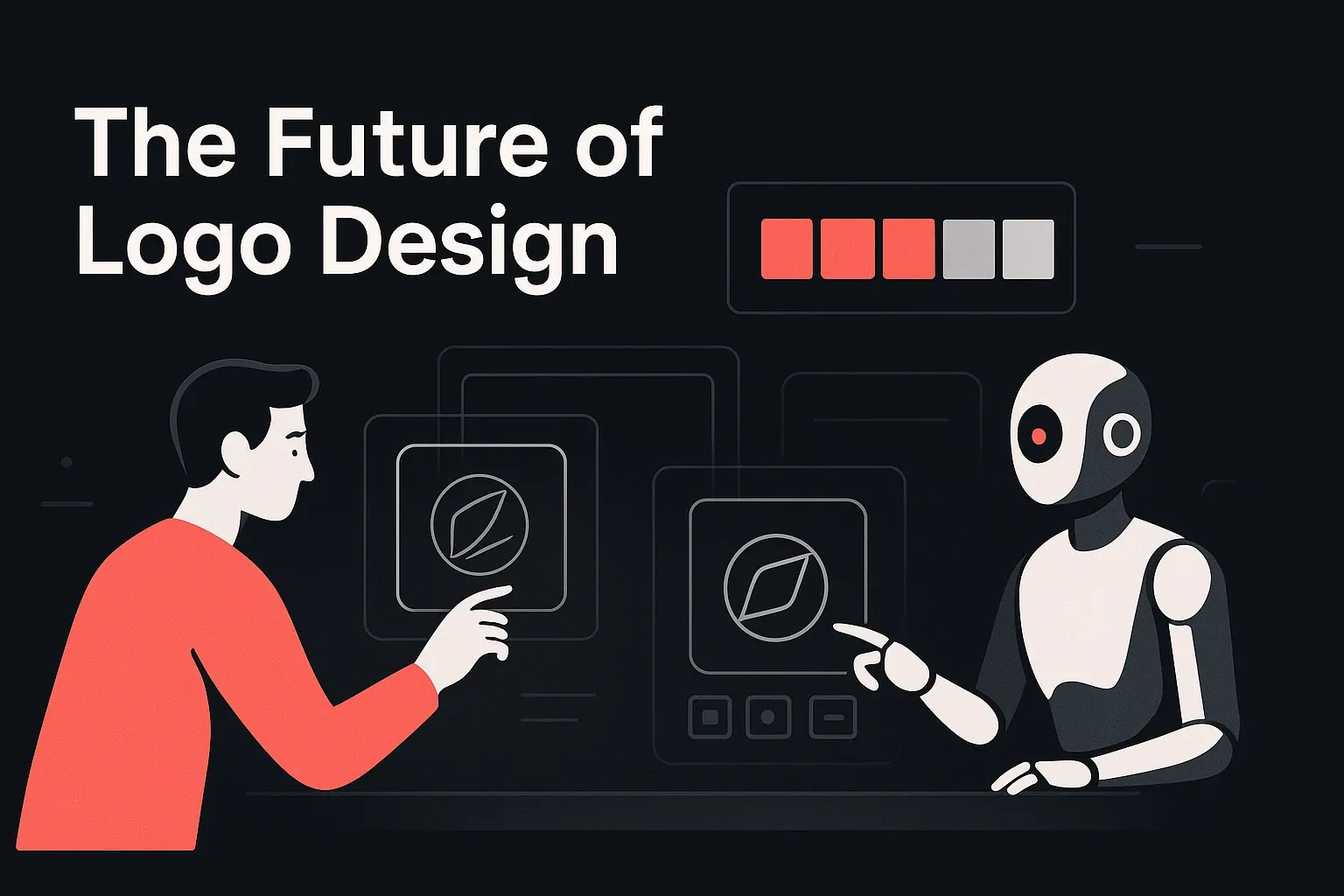
Logo design has always been at the heart of brand identity. It’s the first visual element people remember about a company. But in today’s world of artificial intelligence, the process of designing logos is evolving faster than ever. AI is no longer just a design assistant; it’s becoming a creative partner that can analyze data, predict trends, and even generate brand visuals that connect emotionally with audiences.
This transformation is not about replacing designers. It’s about helping them create smarter, more meaningful brand symbols through collaboration with intelligent tools.
AI as a Creative Partner
AI tools in design have matured significantly. Platforms powered by machine learning can now analyze color psychology, font styles, and visual balance to suggest logo variations that fit a brand’s personality. Designers can input keywords, values, or emotions, and the system generates a range of creative options that would have taken hours to brainstorm manually.
Instead of starting from a blank canvas, designers can now focus on refining, experimenting, and adding emotional depth to AI-generated concepts. This collaboration between human intuition and machine logic saves time while pushing the boundaries of creativity.
Data-Driven Design Decisions
In traditional design, decisions were often based on intuition and experience. With AI, design decisions can now be backed by data. AI tools can analyze how audiences react to colors, shapes, and compositions. They use predictive algorithms to determine which logo style might resonate best with a brand’s target demographic.
For example, an AI might analyze millions of successful brand logos to understand common traits that drive recognition and trust. Designers can then use these insights to make informed creative choices without losing their artistic voice.
Personalization at Scale
Personalization is becoming the new standard in branding. With AI, companies can now create adaptive logos that change based on context. For instance, a logo might slightly shift its color tone based on user preferences, location, or even real-time data such as weather or time of day.
Dynamic logos, powered by AI, make brands feel more alive and responsive. They offer a sense of personality that connects with modern audiences who expect personalization across digital experiences.
AI and Accessibility in Design
Another major benefit of AI in logo design is accessibility. Small businesses and startups that couldn’t afford professional branding now have access to intelligent design platforms. These tools can generate logo ideas that are visually appealing, on-brand, and affordable.
This democratization of design means creativity is no longer limited by budget or technical skill. AI empowers anyone with a vision to create a brand identity that feels professional and unique.
Human Touch Still Matters
Even with AI’s speed and intelligence, the emotional layer of design remains uniquely human. A logo is more than a visual—it represents values, culture, and emotion. Designers bring empathy, storytelling, and intuition, which AI cannot replicate.
The future of logo design lies in this balance: AI handles the data and logic, while humans infuse meaning, emotion, and strategy. Together, they create timeless brand identities that connect deeply with audiences.
Challenges Ahead
While AI brings innovation, it also introduces challenges. Overreliance on AI can lead to designs that feel repetitive or generic. Ethical concerns about originality and copyright also arise when algorithms use existing artworks for training.
To overcome this, designers must treat AI as a collaborator, not a replacement. By combining human creativity with AI efficiency, brands can maintain originality and authenticity.
The Road Ahead
As AI continues to evolve, the line between creativity and computation will blur even more. Future design tools may adapt in real time, learning from how users respond to visual elements and continuously improving the brand’s identity.
Designers who embrace this change will stay ahead of the curve. The future of logo design isn’t about humans versus machines—it’s about how both can create something greater together.
Conclusion
AI is transforming logo design from a manual craft into a data-enriched creative process. The designers of tomorrow will not only design for the eye but also for the algorithm, ensuring each visual speaks to both emotion and intelligence.
Businesses ready to explore AI-driven brand identity can benefit from tools and insights offered by Milaaj BrandSet’s Design Solutions and Digital Marketing Services. Together, they help brands design smarter, connect deeper, and build future-ready identities that stand out in a competitive market.



Ready to Elevate Your Brand?
Start Your Project Today