December 24, 2025
AI-Powered Merchandising: Creating Personalized Storefronts
Milaaj Editorial / Research Insights
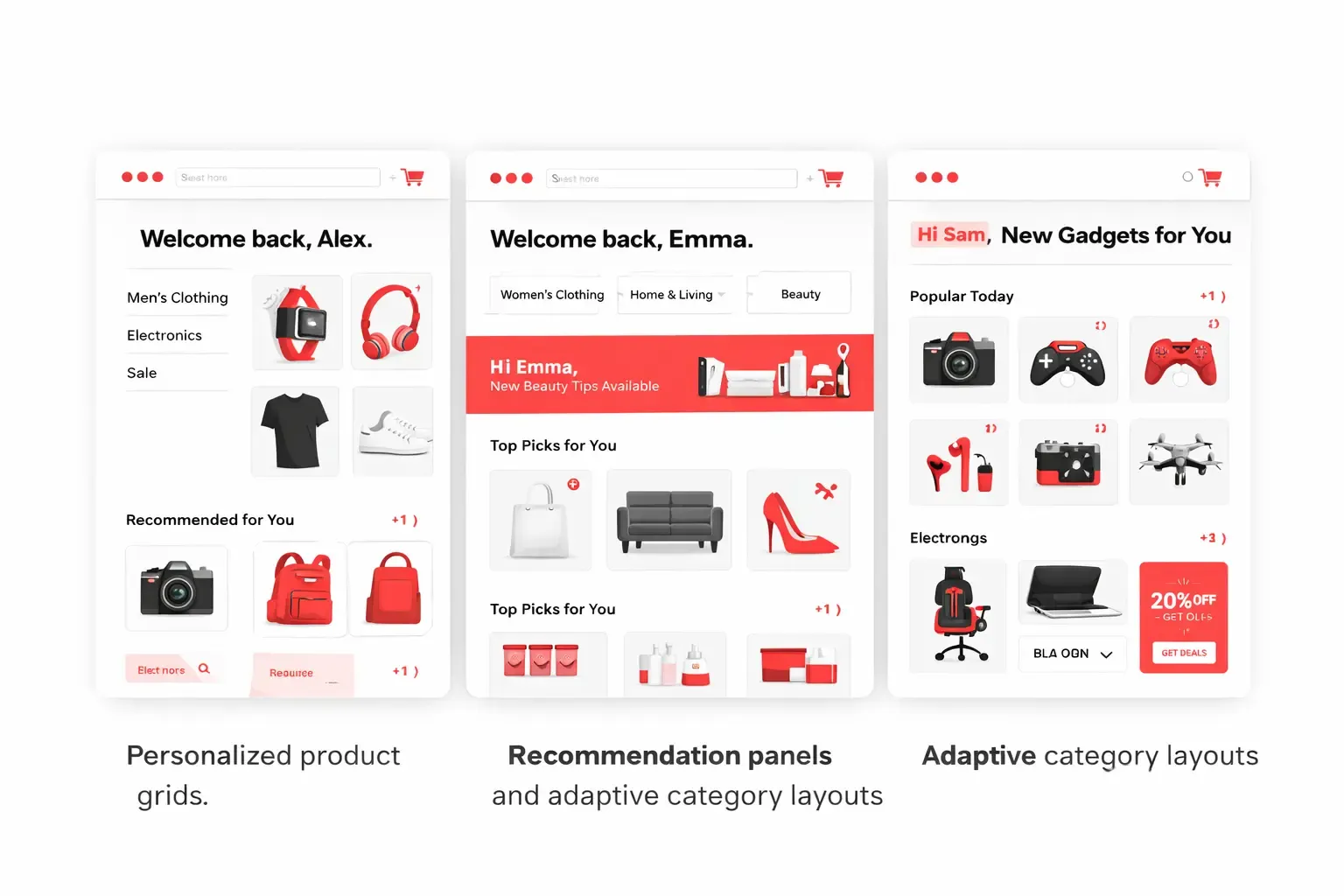
Online shoppers expect more than product listings. They expect relevance.
Modern e-commerce customers want storefronts that feel tailored to them, not generic catalogs designed for everyone. This is where AI-powered merchandising is transforming digital retail.
Instead of static product grids, AI enables storefronts that adapt to user behavior, preferences, and intent. The result is a shopping experience that feels intuitive, helpful, and personal.
Personalized storefronts are no longer a luxury. They are becoming a competitive necessity.
What AI-Powered Merchandising Really Means
AI-powered merchandising uses data and machine learning to automatically organize, present, and prioritize products based on individual user behavior.
It goes beyond simple recommendations. AI-driven merchandising adjusts:
- Product order and visibility
- Category layouts
- Featured collections
- Content placement
Each shopper sees a storefront shaped by their actions and interests.
Why Traditional Merchandising Is No Longer Enough
Static merchandising treats every visitor the same. In a competitive digital environment, this approach creates friction.
Problems with traditional merchandising include:
- Irrelevant product displays
- Overwhelming choices
- Missed cross-sell opportunities
- Lower engagement
AI replaces guesswork with insight, making storefronts more responsive and efficient.
How AI Understands Shopper Behavior
AI learns through interaction.
Key behavioral signals include:
- Browsing history
- Search queries
- Click behavior
- Time spent on products
- Purchase patterns
By analyzing these signals in real time, AI predicts what a shopper is most likely to want next.
Personalized Product Discovery
Finding the right product quickly improves satisfaction and conversion.
AI-powered discovery:
- Highlights relevant products early
- Reduces endless scrolling
- Adjusts recommendations dynamically
When shoppers feel understood, they stay longer and buy more confidently.
Dynamic Category and Collection Pages
AI allows category pages to evolve.
Instead of fixed layouts, AI can:
- Promote trending items
- Surface personalized bestsellers
- Adapt sorting based on intent
Each visit feels curated rather than repetitive.
AI Merchandising and Conversion Optimization
Personalized storefronts convert better because they reduce friction.
Conversion benefits include:
- Faster decision-making
- Higher average order value
- Lower bounce rates
- Improved engagement
AI aligns merchandising with how people actually shop.
Real-Time Adaptation Across the Customer Journey
AI does not stop at the homepage.
Personalization can extend across:
- Landing pages
- Search results
- Product pages
- Cart and checkout
Consistency across the journey builds confidence and trust.
Balancing Automation and Human Control
AI should support merchandising teams, not replace them.
Effective strategies combine:
- Human brand direction
- AI-driven insights
- Manual oversight
This balance ensures personalization remains on-brand and ethical.
Ethical Personalization and Transparency
AI merchandising must respect user privacy.
Responsible practices include:
- Clear data usage policies
- Consent-based personalization
- Avoiding sensitive assumptions
Trust-driven personalization strengthens long-term relationships.
AI Merchandising and Inventory Intelligence
AI also helps optimize inventory visibility.
Benefits include:
- Promoting in-stock items
- Reducing dead inventory exposure
- Aligning demand with supply
Smarter merchandising improves operational efficiency.
Personalized Storefronts Build Brand Loyalty
When shoppers feel understood, they return.
AI-powered personalization creates:
- Familiar experiences
- Consistent relevance
- Emotional connection
Loyalty grows when shopping feels effortless.
The Future of AI-Powered Merchandising
As AI evolves, storefronts will become more predictive.
Future capabilities include:
- Anticipating needs before search
- Adapting visuals and messaging
- Supporting conversational shopping
Personalization will become more natural and less noticeable.
Conclusion
AI-powered merchandising transforms storefronts from static pages into adaptive experiences. It helps brands meet customers where they are, with what they need, at the right moment.
Personalized storefronts reduce friction, improve conversions, and build lasting loyalty.
If you are planning to create smarter, customer-focused shopping experiences, expert support in e-commerce solutions and conversion-focused digital marketing strategies can help implement AI-driven merchandising effectively.
The future of e-commerce is not about showing more products. It is about showing the right ones.
Frequently Asked Questions
What is AI-powered merchandising
It is the use of artificial intelligence to personalize how products are displayed and organized in online stores.
How does AI merchandising improve conversions
By showing relevant products faster, reducing choice overload, and guiding shoppers naturally.
Is AI merchandising suitable for small stores
Yes. Even basic AI-driven personalization can significantly improve engagement and sales.
Does AI merchandising replace human merchandisers
No. AI supports decision-making while humans maintain brand control and strategy.
Is personalized merchandising safe for user privacy
Yes, when implemented transparently and ethically with user consent.
Will AI-powered storefronts become standard
Yes. As expectations rise, personalized storefronts will become the norm.

Ready to Elevate Your Brand?
Start Your Project Today