October 10, 2025
AI Search Engines: The Death of Traditional SEO?
Milaaj Editorial / Research Insights
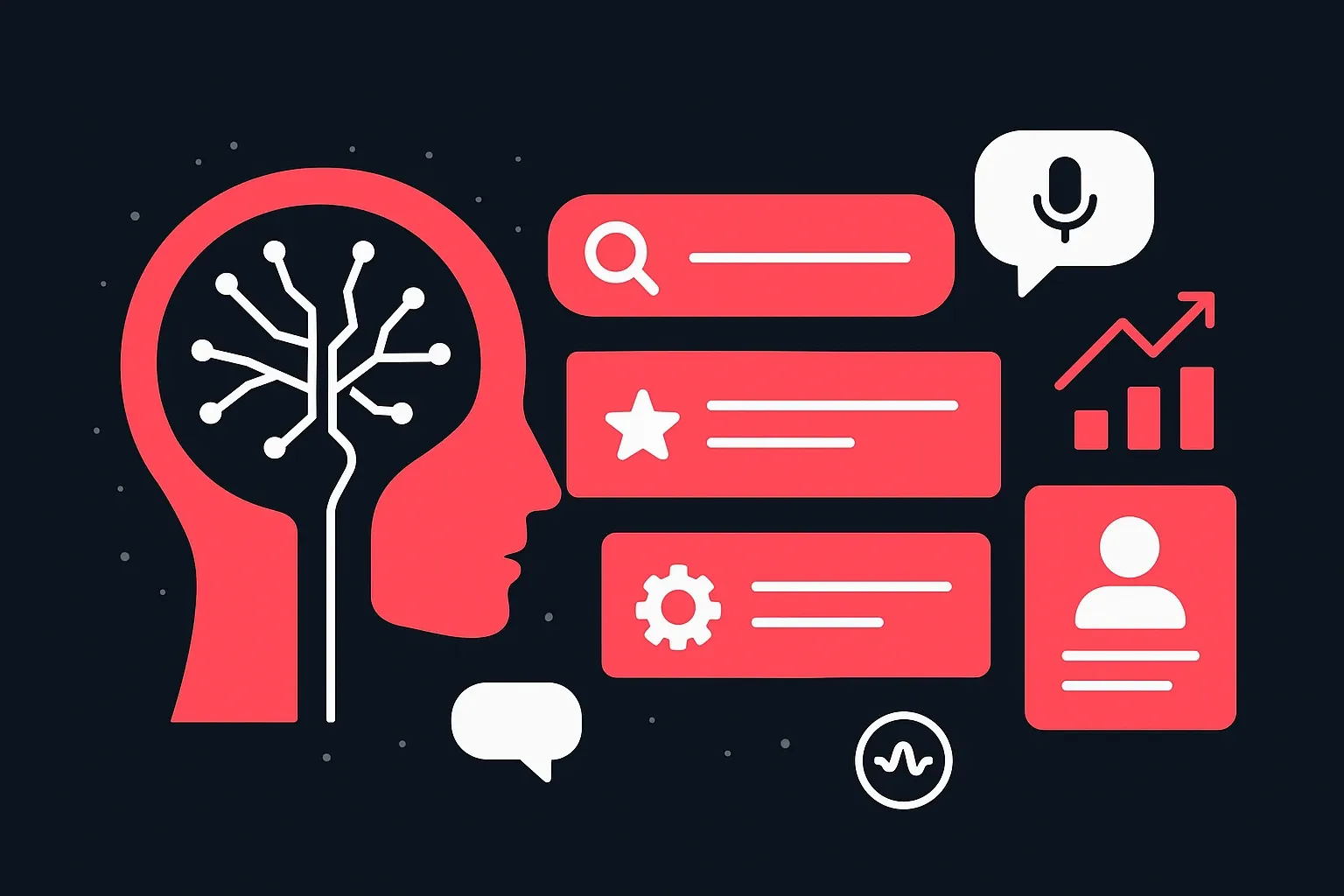
The search landscape is undergoing a revolution. With AI search engines leading the charge in 2025, one question dominates the marketing world — is traditional SEO dead?
The short answer: no, but it’s transforming faster than ever.
Artificial intelligence is reshaping how users discover content, how brands are ranked, and what “search visibility” truly means.
The Rise of AI Search Engines in 2025
The year 2025 marks the tipping point for search technology. Platforms like Google’s Search Generative Experience (SGE), ChatGPT Search, and Microsoft Copilot have ushered in the age of AI-powered discovery.
Users no longer scroll through endless blue links. Instead, they ask conversational questions and receive instant, context-aware answers directly from AI.
This evolution has created an entirely new discipline — Answer Engine Optimization (AEO). It’s the next phase of SEO, where success depends not just on keywords but on trust, clarity, and authority.
From Keywords to Context: The New Search Paradigm
Traditional SEO has always relied on precise keyword targeting, backlinks, and meta-optimization. But AI search engines go deeper. They interpret intent, tone, and meaning behind queries.
For example, when someone types “best phone for video editing”, an AI search engine doesn’t just match the phrase — it analyzes user behavior, preferences, reviews, and even current tech trends to generate the most useful answer.
In this new model, search becomes conversation, not a query list.
That means your brand’s content must sound human, respond naturally, and deliver verifiable insights — not just keyword strings.
Why Traditional SEO Alone No Longer Works
The SEO strategies that worked five years ago are no longer enough. Algorithms have evolved into intelligent systems that understand users, not just index pages.
Here’s why old-school SEO is losing ground:
- Zero-click searches dominate — users get their answers instantly from AI summaries.
- Search personalization means no two people see the same result set.
- Multimodal search allows users to search by voice, image, or augmented reality.
- Relevance now outweighs link count or keyword density.
Simply put, you can’t just rank — you must be referenced.
AI pulls from trusted, contextual, and authoritative sources to build its responses.
What Is Answer Engine Optimization (AEO)?
Answer Engine Optimization (AEO) is the next frontier of visibility. It focuses on helping AI understand your content and use it to generate accurate, human-like answers.
The goal isn’t to chase clicks — it’s to earn AI credibility.
To achieve that, your content must:
- Provide clear, factual answers to specific questions.
- Use conversational structure — like real human dialogue.
- Incorporate semantic keywords naturally (related phrases, synonyms, and context).
- Include structured data (FAQ schema, How-To schema, Article schema).
- Establish brand trust through transparency and consistency.
In AEO, your content becomes part of the AI’s knowledge graph — meaning it’s more likely to appear in voice searches, featured snippets, and generative responses.
The Rise of Zero-Click Search
One of the biggest shifts in 2025 is the dominance of zero-click search — where the user never leaves the search page.
AI-generated answers are now the first (and often only) result a user interacts with. That means brands can gain massive visibility even if their website isn’t directly clicked — as long as AI uses their data in its responses.
Your focus should shift from ranking position to information position.
The higher your authority and accuracy, the more likely AI will quote you.
Personalization, Voice, and Visual Search
AI search is no longer text-only. It’s multi-format and personalized.
Personalized Search Experiences
AI algorithms tailor every answer to the individual’s context — from location to search history and even emotional tone. Brands that produce diverse, context-rich content will appear in more personalized responses.
Voice Search Dominance
With voice assistants like Gemini, Alexa, and Siri powered by AI models, spoken responses are now the ultimate search ranking. Brands optimized for conversational language and FAQ-style formats are the ones being “spoken” to users.
Visual and AR Search
In 2025, users are pointing their phones at products, landmarks, and storefronts to get answers through image and augmented reality search.
Optimizing your visuals, metadata, and alt descriptions now directly impacts AI-driven visibility.
Why Authority Is the New Ranking Signal
In AI-driven search, authority replaces popularity.
Gone are the days when hundreds of backlinks could outrank quality. Today, AI determines authority through:
- Verified sources and citations
- Brand consistency across platforms
- Topical expertise demonstrated through detailed, fact-checked content
This is where E-E-A-T (Experience, Expertise, Authority, Trustworthiness) plays its strongest role. The more authentic, accurate, and user-centered your content is, the more AI search engines prioritize it.
How to Optimize for AI Search Engines
Adapting to this new search era requires a smarter strategy. Here’s what to focus on:
1. Create Conversational Content
Write like you’re answering real questions — because AI will treat your content that way. Use natural language, subheadings in question format, and short, factual responses that sound human.
2. Use Structured Data
Help AI understand your content by marking it with schema tags. FAQs, reviews, and how-tos are especially powerful for earning AI-based visibility.
3. Focus on Contextual Relevance
Instead of stuffing keywords, include related semantic terms that give your content depth. AI models interpret meaning — not just repetition.
4. Build Trust Signals
Include citations, author bios, and clear evidence for claims. AI prefers sources that show credibility and transparency.
5. Optimize for Multiple Formats
Prepare your content to be discoverable through voice, text, and visual queries. Use multimedia and concise metadata that describes your assets intelligently.
How AI Search Changes Marketing Strategy
The shift to AI-driven discovery impacts every layer of digital marketing.
From Ranking to Referencing
Brands are no longer competing for position one — they’re competing to be included in AI-generated responses.
From Clicks to Conversations
Instead of optimizing for click-through rates, the focus is now on answer quality and engagement time.
From Keywords to Knowledge
Content that builds a knowledge base around a topic now performs better than content written purely for ranking.
This means thought leadership, educational blogs, and well-structured guides are your strongest SEO assets.
Is Traditional SEO Dead?
Traditional SEO isn’t dead — it’s evolving into intelligent optimization.
Technical SEO still ensures site performance, speed, and crawlability.
But content SEO must evolve into semantic and conversational optimization.
Think of it like this:
- Old SEO optimized for algorithms.
- AI SEO optimizes for understanding.
You’re not just writing for search engines anymore — you’re communicating with intelligent systems that interpret nuance, context, and credibility.
What the Future Holds for AI Search
The next few years will redefine digital marketing entirely. Expect:
- AI-first content strategies designed specifically for generative engines.
- Predictive SEO tools that anticipate trending questions before they peak.
- Interactive and immersive search experiences where chat, voice, and AR blend seamlessly.
- Authenticity metrics that measure brand trust as a ranking factor.
Those who adapt early will dominate the AI visibility layer — even before users realize they’re searching.
How Brands Can Stay Ahead
To thrive in this new landscape:
- Create educational, verifiable, and empathetic content.
- Use structured data and optimize for multiple platforms (Google, Bing, ChatGPT Search, Gemini).
- Develop authoritative voices — your brand should be the source AI cites.
- Focus on ethical, transparent communication that strengthens trust.
The future of SEO isn’t about gaming the algorithm — it’s about earning the algorithm’s trust.
Conclusion: SEO Isn’t Dead — It’s Smarter
AI search engines haven’t killed SEO — they’ve evolved it.
The focus has shifted from visibility to credibility, from volume to value, and from clicks to conversations.
In 2025 and beyond, the brands that win won’t be those who shout the loudest — but those who speak the clearest.
Transform your brand’s visibility with AI-ready marketing strategies.
Visit Milaaj BrandSet and discover how we turn innovation into influence.


Ready to Elevate Your Brand?
Start Your Project Today