September 20, 2025
AR in Branding 2026: The Next Big Trend for Engagement
Milaaj Editorial / Research Insights
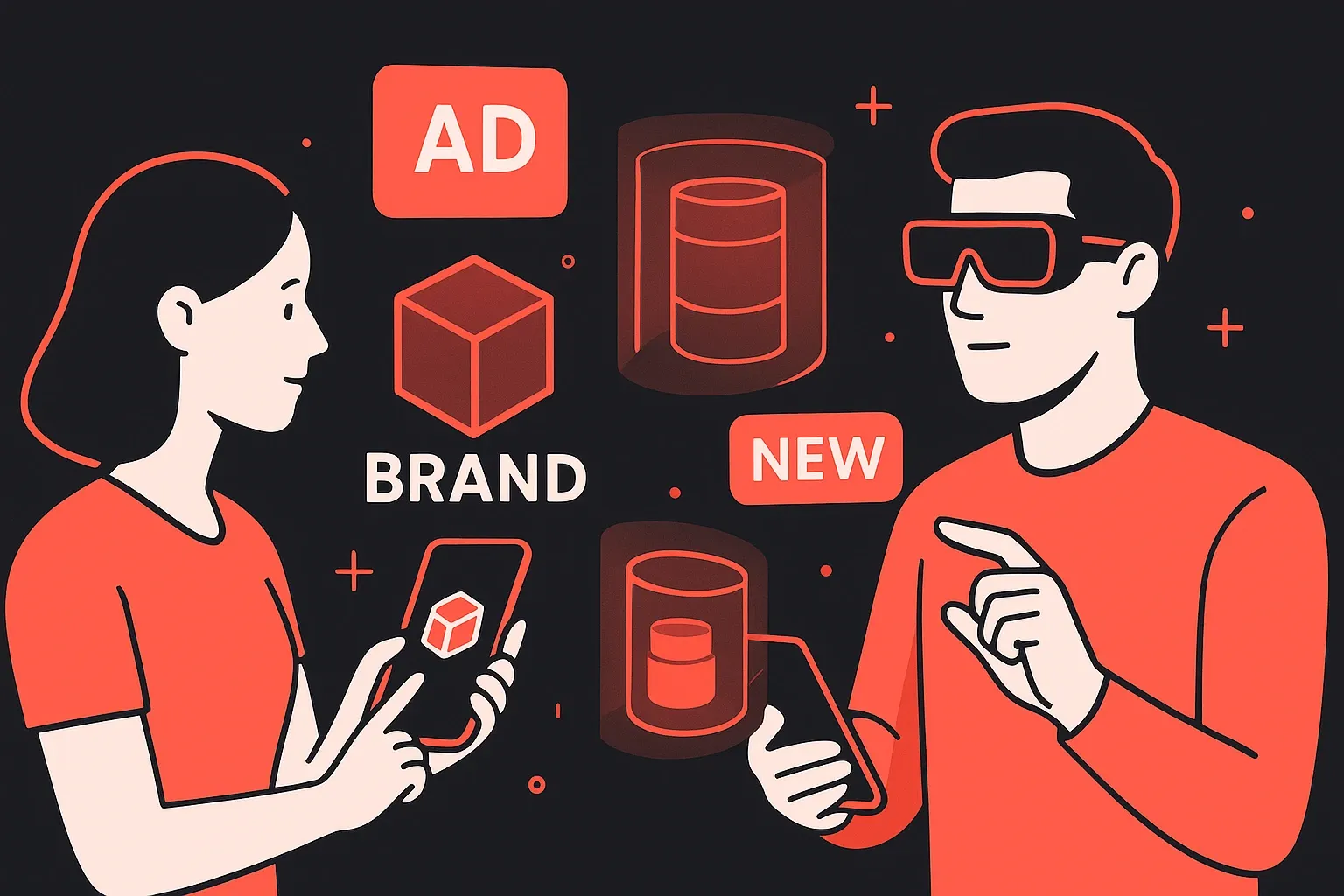
In 2026, the world of branding is no longer limited to logos, websites, or traditional ads it’s moving into immersive experiences. Augmented Reality (AR) in branding is reshaping how businesses interact with customers, turning passive viewing into active participation. For forward-thinking brands, AR is not just a tool it’s a new frontier of engagement.
This blog explores how AR is transforming branding, why it’s the next big trend for customer engagement, and how businesses can leverage it to build stronger connections in the digital age.
What is Augmented Reality in Branding?
Augmented Reality integrates digital elements into the real world through devices like smartphones, AR glasses, and wearables. Unlike Virtual Reality, which creates a fully digital environment, AR enhances the real world with overlays such as:
- 3D product previews
- Interactive brand logos
- Immersive ad campaigns
- Gamified shopping experiences
In branding, AR allows customers to experience products and services before purchase, making campaigns more memorable and impactful.
Why AR Branding Matters in 2026
Consumer behavior in 2026 is driven by experiences, not just transactions. Shoppers want to feel connected to a brand, not just see an ad. AR fulfills this need by:
- Enhancing Customer Engagement
Instead of scrolling past static ads, users can interact with immersive content. For example, customers can try on virtual clothing, place 3D furniture in their homes, or preview car models in their driveway. - Boosting Purchase Confidence
With AR, hesitation decreases. Customers are more likely to purchase when they can visualize a product in real life, leading to higher conversion rates. - Strengthening Brand Identity
Businesses that adopt AR appear innovative, future-ready, and customer-centric. This builds long-term brand loyalty.
AR Branding in Action: Real-World Examples
- IKEA Place App – Customers can preview furniture in their homes through AR.
- Nike Fit – AR allows users to find the perfect shoe size by scanning their feet.
- Gucci Virtual Sneakers – Digital-only AR sneakers showcase luxury brand innovation.
These examples highlight how AR blurs the line between digital branding and physical interaction.
How Businesses Can Use AR for Branding in 2026
1. Immersive Product Demos
Brands can use AR to showcase products interactively. For example, a cosmetics brand can let customers try different shades of lipstick virtually.
2. Gamified Campaigns
Gamification with AR boosts engagement. A retail brand might launch a “find our AR treasure” campaign where customers scan products to unlock rewards.
3. Virtual Storefronts
E-commerce platforms can integrate AR-based storefronts where users walk through a 3D shopping environment before making purchases.
4. Event Branding with AR
Business expos and live events can integrate AR to engage attendees—interactive booths, branded AR filters, and immersive presentations.
5. AR-Powered Social Media Ads
Platforms like Instagram, TikTok, and Snapchat now support AR filters. A brand-specific AR filter can quickly go viral, increasing reach and recognition.
The Role of AR in Customer Engagement
AR transforms branding from a one-way broadcast into a two-way relationship. With personalized AR experiences, brands can:
- Collect valuable data on customer behavior.
- Create shareable moments on social media.
- Deliver hyper-personalized ads based on real-world contexts.
This personalization is key to customer loyalty, a vital element of long-term growth.
AR and Other Digital Marketing Strategies
To maximize success, AR branding should not exist in isolation. It must integrate with broader digital marketing efforts:
When integrated with services like Brand Identity Development and Paid Media Campaigns, AR becomes a powerful driver of both awareness and conversions.
Challenges of AR in Branding
While AR is exciting, businesses must also prepare for challenges:
- High Development Costs – Building AR experiences requires skilled developers and designers.
- Device Compatibility – Not all customers have access to AR-ready devices.
- Content Overload – Poorly designed AR campaigns can confuse rather than engage.
To overcome these hurdles, companies need professional Custom Web Development and Digital Marketing strategies tailored to their audience.
The Future of AR Branding
Looking ahead, AR branding will expand into:
- Metaverse Integration – Virtual showrooms connected with AR experiences.
- AI + AR Personalization – Ads that adapt in real-time to user behavior.
- Voice + AR Search – Customers using voice commands to trigger AR previews.
- E-commerce AR – Seamless product try-ons directly integrated with E-Commerce platforms.
By 2030, AR will be as common in branding as websites are today. Businesses that adopt it early will stand out as innovators and leaders.
Conclusion
Augmented Reality in branding is not just a trend it’s the next wave of customer engagement. In 2026, brands that leverage AR will connect with customers in more memorable, interactive, and personalized ways.
If you’re ready to future-proof your brand with immersive AR experiences, Milaaj BrandSet can help you lead this transformation. From UI/UX design to brand identity development and video ad production, we craft strategies that bring your brand closer to your customers.


Ready to Elevate Your Brand?
Start Your Project Today