October 6, 2025
How AR-Powered Shopping Experiences Are Redefining E-Commerce
Milaaj Editorial / Research Insights
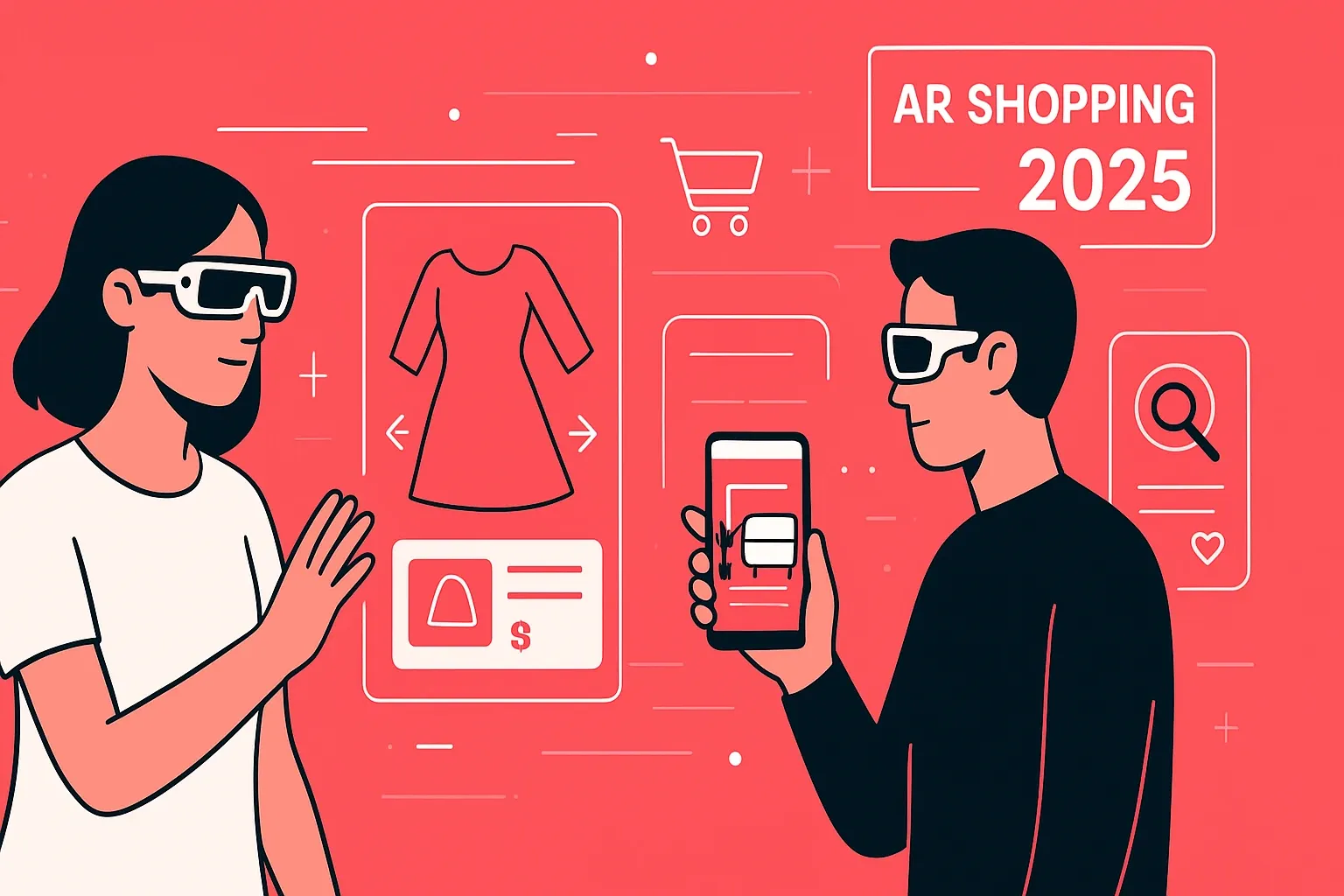
In the ever-evolving world of e-commerce, one innovation stands out as a true game-changer — Augmented Reality (AR). What was once a futuristic concept has now become a fundamental part of digital retail. As we move through 2025, AR has shifted from an optional gimmick to a core driver of sales, engagement, and brand loyalty.
From virtual try-ons to interactive product previews, AR technology is redefining how customers discover, evaluate, and purchase products online. This transformation is not just about visual enhancement — it’s about creating immersive, human-centric experiences that bridge the gap between digital and physical retail.
🛍️ The Rise of AR in E-Commerce
In 2025, consumer behavior is shaped by immediacy, personalization, and realism. Shoppers expect to see and experience products before making a purchase decision. AR fills that gap perfectly.
Platforms like IKEA, Sephora, and Amazon have already integrated AR to let users visualize products in their real environments. Whether it’s placing a sofa in your living room virtually or testing lipstick shades on your face, AR reduces uncertainty and enhances confidence in buying decisions.
According to Statista, global AR in retail is projected to surpass $15 billion in 2025, as brands invest heavily in 3D product visualization, virtual store experiences, and AI-powered personalization.
🔮 Why Consumers Love AR Shopping
AR shopping combines convenience and curiosity — the two most powerful motivators of modern consumers. Here’s why users are embracing it:
- Enhanced Visualization:
Customers can interact with a 3D model of a product, rotate it, and view it in their own space before buying. - Reduced Return Rates:
AR reduces purchase uncertainty by letting buyers see how a product fits their needs — minimizing post-purchase regret. - Immersive Storytelling:
Instead of flat product images, shoppers experience products in motion, guided by branded narratives. - Personalization at Scale:
AR experiences can adapt based on customer data, showing products that match personal tastes, size, or preferences. - Social Media Integration:
TikTok and Instagram are introducing AR filters for branded content, letting users “try” before they buy — directly within the app.
🧠 The Technology Behind AR E-Commerce
AR shopping combines multiple technologies that work seamlessly to create an immersive user journey.
1. 3D Modeling & Virtual Rendering
Brands now use photogrammetry and 3D scanning to create realistic digital twins of their products. These are embedded into online stores, giving shoppers 360-degree views and interactive previews.
2. AI and Machine Learning Integration
AR works hand in hand with AI — learning user behavior and preferences to offer personalized AR recommendations. For example, AI can suggest a particular chair style that matches the color palette of a user’s room during an AR session.
3. WebAR vs. App-Based AR
With WebAR, users don’t need to download special apps. They can experience AR directly through browsers — an innovation that makes AR more accessible and conversion-friendly.
4. AR Cloud and Spatial Mapping
The AR Cloud stores 3D maps of environments, enabling AR elements to stay in fixed positions relative to the physical world — perfect for in-store AR navigation and hybrid shopping.
🌍 Real-World Examples of AR in E-Commerce
- IKEA Place – lets users visualize furniture in their space using their phone camera.
- Warby Parker – customers can virtually try on eyeglasses before buying.
- Sephora Virtual Artist – allows users to test makeup shades with face tracking.
- Nike Fit – uses AR to scan feet and recommend the perfect shoe size.
- Gucci’s Virtual Sneakers – lets users try on and purchase digital shoes for AR and metaverse avatars.
These brands have seen higher engagement rates, longer browsing times, and increased conversion rates — proving AR’s tangible ROI in e-commerce.
💡 Benefits for Brands: Beyond the Visual
For brands, AR is more than a marketing gimmick — it’s a strategic investment in customer experience, loyalty, and retention.
1. Boosted Engagement
Shoppers using AR spend up to three times longer on product pages. The more time users engage, the higher the likelihood of purchase.
2. Lower Returns, Higher Satisfaction
AR reduces uncertainty and results in fewer returns — one of the biggest cost drains in e-commerce.
3. Emotional Connection
AR experiences evoke stronger emotional responses. Customers “feel” connected to a product because they can imagine it in their own environment.
4. Data-Driven Insights
Brands can analyze interaction data — where users point, zoom, or focus — providing valuable insights into customer interests and behavior.
🧩 The Link Between AR and Personalization
AR’s biggest strength lies in its synergy with personalized marketing. When combined with AI, it can create ultra-tailored experiences:
- Showing products that fit individual body shapes.
- Offering personalized AR recommendations based on browsing history.
- Delivering location-based offers within AR-enabled stores.
In essence, AR bridges physical experience and digital personalization — making shopping intuitive and deeply personal.
🔗 Integrating AR into Your Brand’s Digital Strategy
To fully leverage AR’s potential, brands must treat it as part of their core digital ecosystem, not just a side feature. Integration with other marketing efforts such as social media marketing, SEO, and web design ensures maximum visibility and engagement.
For example:
Each service works in harmony to create a seamless, interactive, and conversion-optimized AR experience.
⚙️ Challenges and Considerations
While AR offers exciting opportunities, brands must also navigate a few challenges:
- High Development Costs:
Creating 3D models and AR apps can be expensive, especially for brands with large product catalogs. - Device Compatibility:
Not all users have AR-compatible smartphones, limiting reach. - Data Privacy:
AR requires access to camera and spatial data, making transparency essential for maintaining user trust. - Performance Optimization:
Heavy AR assets can slow down websites, so optimizing load times and performance is key.
Despite these challenges, the long-term benefits outweigh the hurdles. Early adopters consistently see better engagement and loyalty metrics.
🚀 The Future of AR Shopping in 2025 and Beyond
As AR continues to mature, expect it to blend with other frontier technologies like AI, blockchain, and the metaverse. The result? A future where customers can move fluidly between digital and physical shopping.
Here’s what’s next:
- Virtual Stores in the Metaverse: Fully immersive shopping experiences where customers walk through digital stores using VR headsets.
- AR-Enhanced Packaging: Product boxes that come alive when scanned, showing tutorials or sustainability stories.
- Smart Data Integration: Real-time analytics shaping AR recommendations.
- Voice + AR Shopping: Combining AR visuals with voice commands for intuitive purchasing.
In short, AR is not just the future — it’s the foundation of interactive commerce.
🧭 Why Your Brand Should Invest Now
In 2025, e-commerce brands that ignore AR risk falling behind. Consumers now expect immersive, interactive shopping experiences. Integrating AR into your digital branding strategy enhances credibility, drives engagement, and increases conversion rates.
Partnering with experts like Milaaj BrandSet ensures your AR initiatives are creative, data-driven, and strategically aligned. From SEO to social media branding, Milaaj’s digital ecosystem empowers brands to stand out in a competitive, tech-forward market.
✨ Final Thoughts
AR-powered shopping isn’t just a technological upgrade — it’s a revolution in consumer psychology. It merges storytelling, personalization, and convenience into one immersive journey.
As the digital world moves toward deeper, more meaningful interactions, brands that embrace AR today will define tomorrow’s e-commerce experience.



Ready to Elevate Your Brand?
Start Your Project Today