November 13, 2025
Automation Tools Every Digital Marketer Should Use
Milaaj Editorial / Research Insights
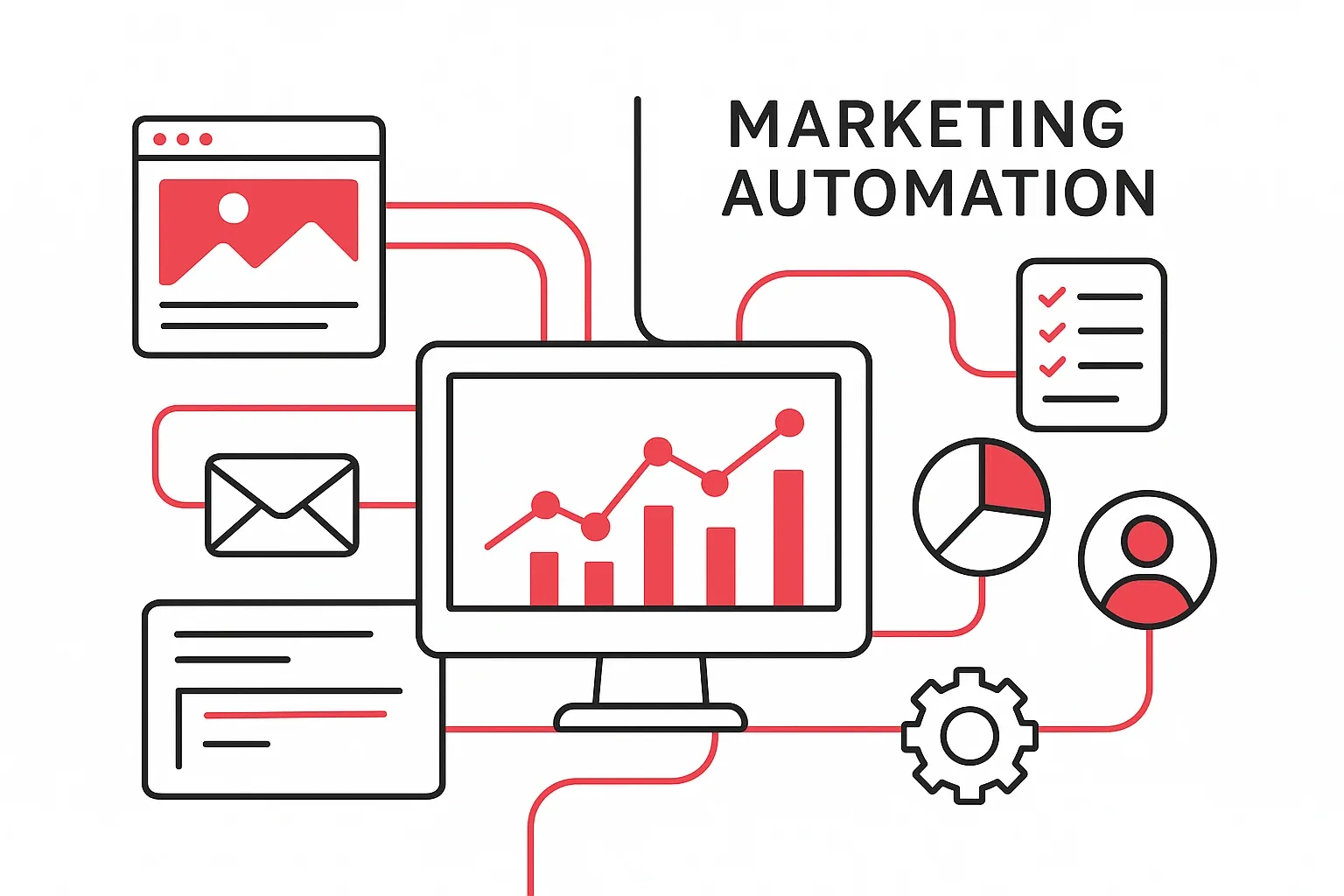
In today’s fast-moving digital world, marketers no longer have the luxury of managing everything manually. From running campaigns and creating content to analyzing data and nurturing leads — automation has become the silent backbone of every successful digital marketing strategy.
If used right, automation tools save hours of manual work, improve campaign accuracy, and help brands deliver personalized experiences at scale. Let’s explore the most essential automation tools every digital marketer should know — and how they can transform productivity, performance, and profit.
Why Automation Is Essential in Digital Marketing
Marketing automation isn’t about replacing human creativity. It’s about enhancing efficiency and consistency.
When your routine tasks — like scheduling posts, tracking emails, or analyzing website data — are automated, you gain more time for strategy and innovation. Automation ensures that no opportunity is missed, and every touchpoint is timely, data-driven, and measurable.
For businesses managing multiple campaigns or clients, automation bridges the gap between manual effort and marketing excellence.
Social Media Automation Tools
Social media is one of the most time-intensive areas of digital marketing. Automation platforms make it easier to maintain consistency, engage audiences, and measure results without logging in to every platform multiple times a day.
Recommended Tools:
- Buffer: Simplifies post scheduling and provides performance analytics.
- Hootsuite: Offers cross-platform management, engagement tracking, and collaboration features.
- Later: Great for visual planners, especially for Instagram and TikTok marketing.
With these tools, marketers can plan an entire month’s content calendar, track audience engagement, and identify what type of posts convert best — all within minutes.
Email Marketing Automation Tools
Email marketing remains one of the highest ROI channels in digital marketing. Automation allows you to send the right message to the right audience at the right time.
Recommended Tools:
- Mailchimp: User-friendly and perfect for startups or small businesses.
- ActiveCampaign: Advanced workflow automations and CRM integrations.
- HubSpot Email Marketing: Ideal for teams managing multiple funnels and segments.
From welcome sequences and abandoned cart reminders to re-engagement campaigns, automation ensures your emails feel timely, relevant, and personalized — not robotic.
CRM and Lead Management Tools
Customer Relationship Management (CRM) systems are essential for tracking every customer interaction. When paired with automation, they become a growth engine for your brand.
Recommended Tools:
- HubSpot CRM: Offers automated lead tracking, email sequences, and deal pipelines.
- Zoho CRM: Cost-effective, customizable, and integrates with multiple marketing tools.
- Pipedrive: Simple interface and great for small to medium-sized sales teams.
By automating follow-ups, lead scoring, and reminders, businesses can ensure that no lead falls through the cracks — improving conversion rates and customer satisfaction.
Analytics and Reporting Automation Tools
Data is the heart of decision-making. But manually compiling metrics from different platforms can be time-consuming. Automation tools simplify analytics collection and visualization.
Recommended Tools:
- Google Looker Studio (formerly Data Studio): Integrates data from multiple sources for custom dashboards.
- Supermetrics: Automates data extraction from ad platforms and analytics tools into sheets.
- Klipfolio: Ideal for real-time business performance monitoring.
These platforms help marketers spot trends quickly, report to clients efficiently, and make data-backed adjustments to campaigns.
Content Marketing and SEO Automation Tools
Content creation may be creative, but content optimization is all about precision. Automation tools help marketers ensure every piece of content aligns with SEO best practices.
Recommended Tools:
- Surfer SEO: Suggests real-time keyword optimization for articles.
- Clearscope: Enhances content relevance for search engines.
- Yoast SEO: Perfect for WordPress users to manage metadata and readability.
These tools save hours of manual research while ensuring content stays competitive in SERPs (Search Engine Results Pages).
Advertising and Campaign Management Tools
Managing multiple ad campaigns across platforms can be overwhelming. Automation tools streamline ad management, targeting, and reporting.
Recommended Tools:
- Google Ads Editor: For bulk editing and quick updates.
- Meta Ads Manager (Facebook & Instagram): Schedule and automate A/B testing.
- AdEspresso: Helps optimize ad performance using AI-driven insights.
By automating budget allocation, audience retargeting, and creative testing, these platforms improve ROAS (Return on Ad Spend) without manual oversight.
Workflow and Project Management Automation
Marketing teams rely on collaboration and deadlines. Automation in project management ensures smooth coordination.
Recommended Tools:
- Trello + Butler Automation: Automatically moves tasks through stages.
- Asana: Manages content pipelines, campaign timelines, and approvals.
- Monday.com: Automates recurring project updates and reminders.
With automated workflows, teams can focus on creativity instead of chasing deadlines.
Chatbots and AI Assistants
AI-powered chatbots enhance engagement by providing instant responses to customers. They can handle FAQs, lead collection, and even booking — without human intervention.
Recommended Tools:
- ManyChat: Integrates with social media messengers.
- Intercom: Advanced conversational marketing platform for websites.
- Drift: Great for B2B companies that rely on chat-based lead generation.
These tools help businesses stay connected 24/7, improving conversions and user experience simultaneously.
Marketing Automation Platforms (All-in-One Solutions)
For growing brands, using too many separate tools can lead to complexity. All-in-one marketing automation platforms provide centralized control.
Top Options:
- HubSpot Marketing Hub – Complete inbound marketing suite with CRM integration.
- Marketo – Ideal for enterprise-level automation and analytics.
- ActiveCampaign – Best for mid-size businesses needing email + CRM automation.
These platforms integrate everything — from lead generation and nurturing to conversion tracking and analytics — ensuring seamless marketing execution.
Integrations and Workflow Automation Tools
Connecting apps is essential for a smooth digital ecosystem. Integration tools link your favorite platforms, so your data flows automatically.
Recommended Tools:
- Zapier: Connects over 5,000 apps and automates workflows.
- Make (formerly Integromat): Offers deeper data automation for advanced users.
- IFTTT: Great for simple “if-this-then-that” automation triggers.
These tools let you connect your CRM, social media, email marketing, and analytics tools, eliminating manual updates across platforms.
The Human Element: Automation With a Personal Touch
While automation is powerful, it should never replace authenticity. The goal is not to sound robotic but to create time for genuine human connection.
For example, automate lead nurturing — but respond personally when a customer shows buying intent. Use scheduling tools — but remain available for real-time engagement.
The perfect balance between automation and human empathy is what makes brands truly memorable.
FAQs
1. What is marketing automation?
Marketing automation uses technology to streamline repetitive tasks like email campaigns, social media posting, and customer data tracking, improving efficiency and accuracy.
2. Which automation tool is best for beginners?
Tools like Mailchimp, Buffer, and Trello are beginner-friendly and affordable for small businesses.
3. How does automation improve ROI?
Automation reduces human error, increases productivity, and ensures consistent campaign execution, all of which contribute to higher ROI.
4. Can automation replace marketers?
No. Automation enhances marketers’ abilities by handling repetitive work, allowing humans to focus on creativity and strategy.
5. Are automation tools expensive?
Many tools offer free tiers or affordable plans, making automation accessible for startups and growing businesses alike.
Conclusion
Marketing automation is no longer a luxury — it’s a necessity for every business that wants to scale efficiently. From managing campaigns to nurturing leads, automation tools simplify workflows, save time, and amplify results.
To build an integrated, data-driven marketing ecosystem, explore Digital Marketing Services and Custom Web Development solutions designed to help businesses grow smarter, not harder.
When automation meets strategy, marketing transforms from effort to impact.


Ready to Elevate Your Brand?
Start Your Project Today