January 8, 2026
Building Brand Authenticity in an Age of AI-Created Content
Milaaj Editorial / Research Insights
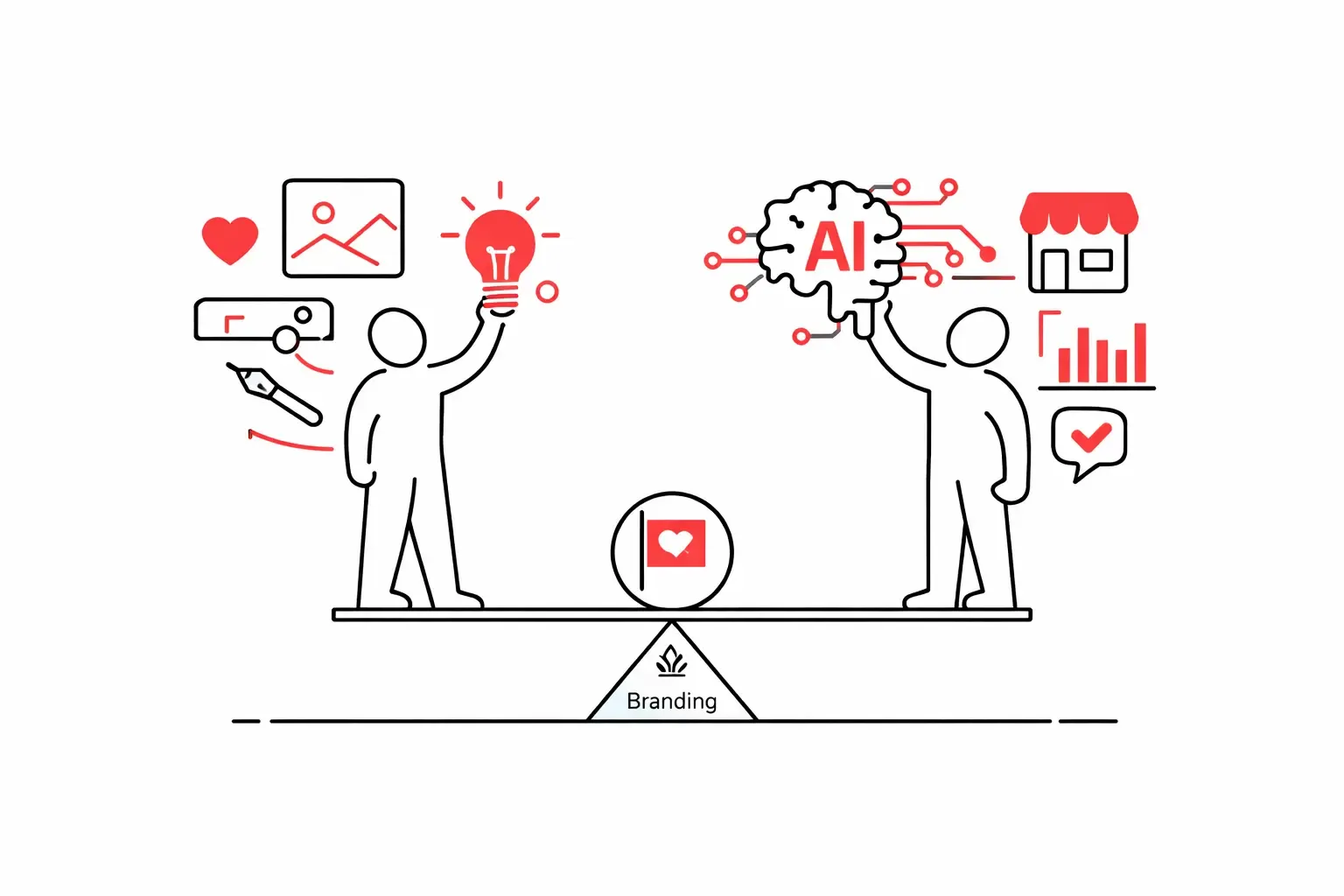
Artificial intelligence is now deeply embedded in how brands create content. From social posts and emails to blogs and ads, AI tools are helping businesses scale faster than ever before.
But as AI-generated content becomes more common, audiences are becoming more skeptical.
The question brands now face is not how fast they can produce content, but how authentic that content feels.
In an age where machines can write, design, and automate at scale, authenticity has become the true differentiator.
Why Brand Authenticity Matters More Than Ever
Consumers today are highly aware of marketing tactics. They can easily recognize generic messaging, recycled ideas, and content that feels impersonal.
Authenticity builds:
- Trust
- Emotional connection
- Long-term loyalty
When audiences believe a brand is genuine, they engage more deeply and stay longer.
AI may accelerate content creation, but authenticity determines whether that content actually works.
The Rise of AI-Created Content and Its Challenges
AI-generated content has made it easier to publish consistently. However, it also introduces challenges.
Common issues include:
- Repetitive tone and phrasing
- Lack of emotional depth
- Over-optimized, robotic language
- Generic messaging that lacks identity
When brands rely too heavily on automation without human oversight, content loses its personality.
Authenticity Is Not About Avoiding AI
Authenticity does not mean rejecting AI tools.
It means using AI responsibly and strategically.
AI should:
- Assist ideation
- Support research
- Improve efficiency
But it should not replace human perspective, lived experience, or brand voice.
The most authentic brands treat AI as a collaborator, not a replacement.
Defining a Clear Brand Voice First
Before using AI tools, brands must define who they are.
A clear brand voice includes:
- Tone and language style
- Core values
- Emotional positioning
- Audience expectations
Without this foundation, AI-generated content becomes inconsistent and disconnected.
When brand voice is clearly defined, AI output can be refined instead of blindly published.
Human Editing Is Non-Negotiable
AI-generated drafts should never be final.
Human review ensures:
- Emotional nuance
- Context awareness
- Cultural sensitivity
- Alignment with brand values
Editing transforms AI output from generic text into meaningful communication.
Authenticity lives in the details that machines cannot fully understand.
Storytelling Is Still a Human Strength
AI can structure content, but real stories come from human experience.
Authentic brands share:
- Real customer journeys
- Behind-the-scenes insights
- Challenges and lessons learned
- Honest brand evolution stories
These narratives create emotional resonance that AI alone cannot replicate.
Transparency Builds Trust
Audiences appreciate honesty.
Brands that are transparent about:
- How they use AI
- How content is created
- What values guide decisions
Build stronger trust.
Transparency signals confidence, not weakness.
It reassures audiences that there are real people behind the brand.
Personalization Without Losing Humanity
AI enables personalization at scale, but authenticity requires restraint.
Effective personalization:
- Feels helpful, not intrusive
- Reflects real user intent
- Avoids over-automation
When personalization feels too mechanical, it breaks trust instead of building it.
The goal is relevance with respect.
Maintaining Consistency Across Channels
Authenticity is reinforced through consistency.
AI tools often generate content differently across platforms unless guided properly.
Brands must ensure:
- Messaging aligns across channels
- Visual and verbal identity remains consistent
- Values are reflected everywhere
Consistency signals reliability and professionalism.
Authentic Engagement Over Automated Responses
Automated replies can improve response time, but overuse creates distance.
Brands should balance:
- Automation for efficiency
- Human responses for meaningful interaction
Especially in comments, reviews, and customer support, human touch matters.
The Role of Ethics in AI Content Creation
Ethical use of AI is part of authenticity.
Brands should:
- Avoid misleading or deceptive content
- Respect intellectual property
- Prevent misinformation
- Use AI responsibly
Ethical behavior reinforces credibility and long-term brand equity.
Measuring Authenticity Beyond Metrics
Authenticity is not measured only in clicks or impressions.
It shows up in:
- Repeat engagement
- Quality of comments
- Customer loyalty
- Brand advocacy
These signals indicate whether content truly resonates.
Why Authentic Brands Will Win Long Term
AI will continue to evolve and become more powerful.
But human connection remains irreplaceable.
Brands that:
- Stay true to their values
- Use AI thoughtfully
- Prioritize honesty and empathy
Will stand out in an increasingly automated digital world.
Conclusion
In an age where AI can generate content endlessly, authenticity has become the rarest asset.
Brands that succeed will be those that use AI as a tool, not a voice. Human insight, emotional intelligence, and ethical intent must guide every piece of content.
Building trust through authentic storytelling, consistent messaging, and transparent communication is essential for sustainable growth. Aligning strong brand identity development with a thoughtful content marketing strategy helps ensure that technology enhances authenticity instead of replacing it.
The future belongs to brands that sound human, even when technology is involved.
Frequently Asked Questions
What is brand authenticity in AI-generated content
Brand authenticity means maintaining a genuine, consistent, and human brand voice even when using AI tools for content creation.
Does using AI reduce brand credibility
No, if used responsibly. Credibility decreases only when AI-generated content feels generic or misleading.
How can brands make AI content sound more human
By defining a clear brand voice, editing content manually, and adding real stories and insights.
Should brands disclose the use of AI
Transparency builds trust. While not always required, honesty strengthens credibility.
Is AI-generated content bad for SEO
Not if it is high-quality, original, and user-focused. Thin or repetitive AI content can harm SEO.



Ready to Elevate Your Brand?
Start Your Project Today