January 31, 2026
Building Brand Authority in Competitive Local Markets
Milaaj Editorial / Research Insights
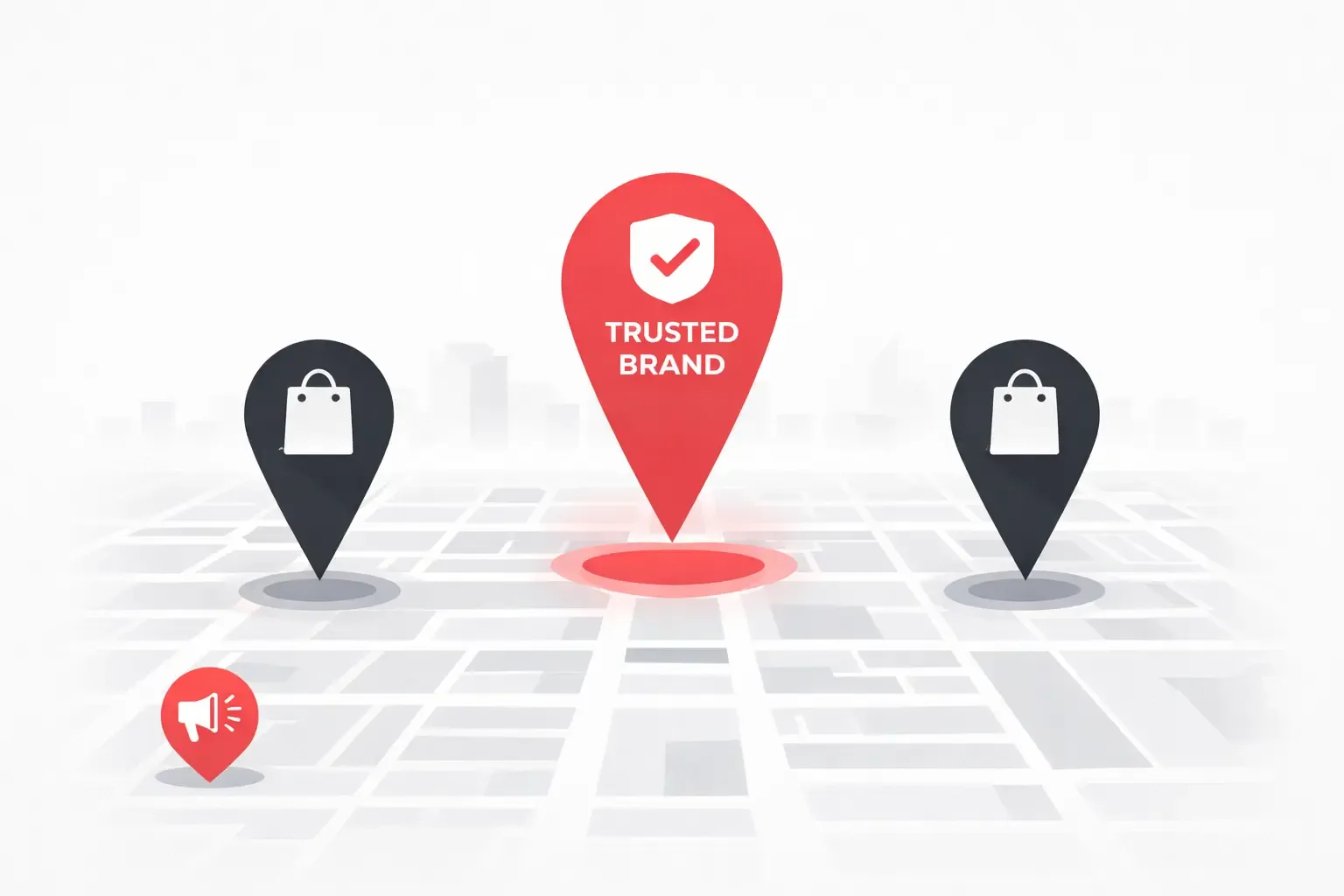
Local markets are more competitive than ever. Customers have more choices, search engines show fewer organic results, and trust plays a bigger role in buying decisions. In this environment, visibility alone is not enough.
Brands that win locally focus on one key advantage. Brand authority.
Building brand authority in competitive local markets helps businesses stand out, earn trust faster, and convert customers consistently. This guide explains how to do it the right way.
Why Brand Authority Matters in Local Markets
Local customers make faster decisions. They search, compare, and choose within minutes. When multiple businesses offer similar services, authority becomes the deciding factor.
Brand authority signals:
- Trust and credibility
- Experience and reliability
- Local relevance
- Consistent quality
Search engines and users both favor brands that demonstrate authority.
What Brand Authority Really Means
Brand authority is not popularity. It is perceived expertise and trustworthiness.
Authority Is Built, Not Claimed
Logos, slogans, and ads do not create authority. Authority comes from consistent actions that prove value over time.
This includes:
- Helpful content
- Strong local presence
- Positive customer signals
- Clear expertise in a niche
The Role of Local SEO in Building Brand Authority
Local SEO is the foundation of authority in competitive markets.
Visibility Where Intent Is Highest
Local searches often have immediate intent. Users search for services near them because they are ready to act.
Optimized local SEO helps:
- Appear in local search results
- Rank for location-based keywords
- Build trust through consistent business information
Authority grows when visibility aligns with relevance.
Google Business Profile Optimization
A well-optimized Google Business Profile improves credibility.
Key elements include:
- Accurate business details
- Regular updates and posts
- Reviews and responses
- Relevant categories
Search engines use these signals to evaluate local authority.
Content Marketing Builds Local Expertise
Content plays a major role in establishing authority.
Create Locally Relevant Content
Generic content does not build local trust. Authority grows when content addresses:
- Local problems
- Regional trends
- Community-specific needs
- Location-based search queries
This positions your brand as a local expert, not just a service provider.
Answer Questions Before Customers Ask
Authority increases when brands proactively educate users.
Examples include:
- Service explainers
- Local guides
- FAQs
- How-to content
Helpful content builds confidence before the first interaction.
Social Proof Strengthens Local Brand Authority
People trust other people more than marketing messages.
Reviews and Testimonials Matter
Local customers rely heavily on reviews.
Strong authority signals include:
- Consistent positive reviews
- Authentic feedback
- Professional responses to criticism
- Testimonials across platforms
These signals influence both users and search engines.
Consistency Across Digital Touchpoints
Authority weakens when messaging feels fragmented.
Unified Brand Experience
Ensure consistency across:
- Website
- Social media
- Listings
- Content tone
- Visual identity
Consistency reinforces credibility and recall.
How Social Media Supports Local Authority
Social media humanizes brands and builds familiarity.
Show Up as a Trusted Local Brand
Effective strategies include:
- Sharing behind-the-scenes content
- Highlighting local work
- Engaging with community conversations
- Responding quickly to messages
Trust builds through visibility and interaction.
The Power of Local Backlinks and Mentions
Authority grows when other trusted sources mention your brand.
Earn Local Mentions
Opportunities include:
- Local directories
- Community websites
- Industry blogs
- Partnerships
These signals strengthen search visibility and brand credibility.
Measuring Brand Authority Growth
Authority is not instant. It compounds over time.
Metrics That Indicate Authority
Track:
- Branded search growth
- Local keyword rankings
- Review volume and quality
- Engagement metrics
- Conversion rates
These indicators show whether trust is increasing.
Common Mistakes That Limit Local Authority
Avoid these issues:
- Inconsistent branding
- Ignoring reviews
- Publishing generic content
- Chasing traffic instead of relevance
- Weak local SEO foundations
Authority depends on alignment and consistency.
Conclusion
Building brand authority in competitive local markets requires more than visibility. It demands relevance, trust, and consistent value.
Brands that invest in local SEO optimization, support it with content marketing strategy, and strengthen engagement through social media marketing services create authority that compounds over time.
When authority grows, rankings improve, conversions increase, and customer loyalty follows.
Frequently Asked Questions
How long does it take to build local brand authority
Authority typically builds over several months through consistent SEO, content, and engagement.
Is brand authority important for small businesses
Yes. Authority helps small businesses compete with larger brands by building trust and relevance locally.
Do reviews really impact authority
Yes. Reviews strongly influence both search rankings and customer decisions.
Can content alone build authority
Content helps, but authority grows faster when combined with SEO, social proof, and consistent branding.
Does local authority improve conversions
Yes. Customers are more likely to choose brands they trust and recognize.



Ready to Elevate Your Brand?
Start Your Project Today