January 1, 2026
How to Create a Content Calendar That Actually Drives Leads
Milaaj Editorial / Research Insights
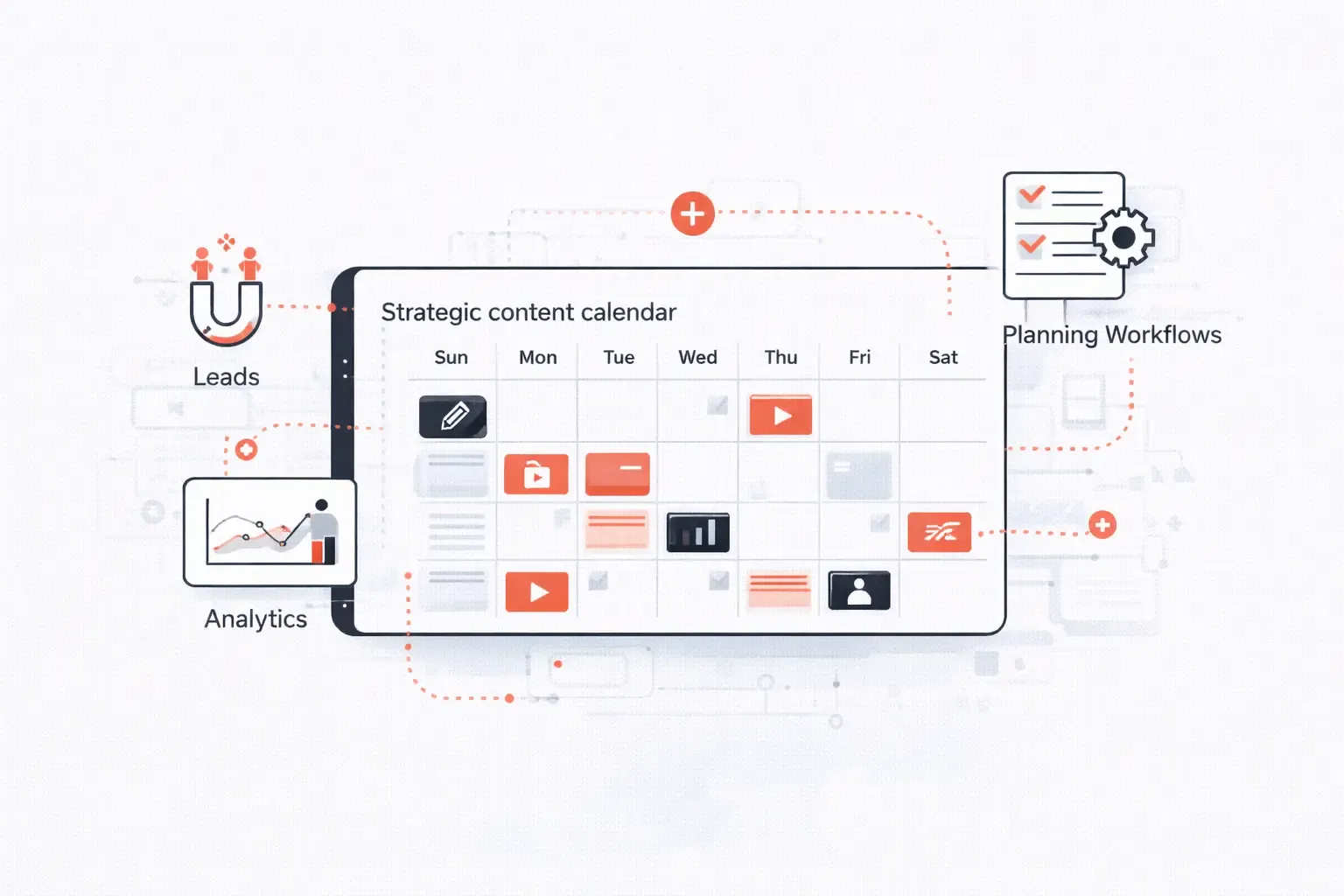
Many businesses publish content consistently but still struggle to generate leads. The problem is not effort. It is direction.
A content calendar is not just a scheduling tool. When done correctly, it becomes a strategic system that aligns content with user intent, buyer journeys, and conversion goals.
This guide explains how to build a content calendar that does more than fill dates. It drives qualified leads and supports real business growth.
Why Most Content Calendars Fail
Most content calendars focus on output instead of outcomes.
They fail because they:
- Prioritize frequency over relevance
- Ignore user intent
- Lack alignment with sales goals
- Publish content without a conversion path
Posting regularly without strategy creates visibility, not leads.
What a Lead-Driven Content Calendar Really Is
A lead-focused content calendar connects content to business objectives.
It ensures that:
- Each piece has a purpose
- Topics match buyer intent
- Content supports different funnel stages
- Publishing is consistent and strategic
Instead of asking what to post, the right question becomes why this content exists.
Start With Clear Lead Goals
Before planning content, define what a lead means for your business.
This could be:
- Form submissions
- Demo requests
- Email signups
- Consultation bookings
Clear goals allow you to map content directly to conversion actions.
Understand User Intent at Every Stage
Content that drives leads speaks to intent.
User intent generally falls into three stages:
- Awareness, where users seek information
- Consideration, where users compare options
- Decision, where users are ready to act
A strong content calendar balances all three stages.
Build Topic Clusters Instead of Random Posts
Topic clusters improve both SEO and lead flow.
Instead of isolated blogs, create:
- One core topic
- Multiple supporting pieces
- Internal connections between related content
This structure keeps users engaged longer and moves them naturally toward conversion.
Align Content With the Buyer Journey
Every stage of the journey needs different content.
Educational content builds trust early. Comparative and solution-based content supports evaluation. Conversion-focused content encourages action.
Your calendar should intentionally guide users forward, not leave them wandering.
Prioritize Quality Over Quantity
Publishing more does not guarantee better results.
High-quality content:
- Solves real problems
- Answers specific questions
- Provides clarity and depth
- Builds authority
One strong piece can generate more leads than ten shallow posts.
Plan Content Formats Strategically
Different formats serve different purposes.
Blog posts educate. Videos engage. Case studies convert. Lead magnets capture information.
A strong calendar mixes formats intentionally rather than relying on one content type.
Time Content Around Business Cycles
Content performs best when aligned with business timing.
Consider:
- Product launches
- Seasonal demand
- Industry trends
- Campaign timelines
Strategic timing increases relevance and conversion potential.
Add Conversion Paths to Every Piece
Content should never exist without a next step.
This could be:
- A call to action
- A downloadable resource
- A consultation prompt
- A related service
Lead-driven content always guides users forward.
Repurpose Content to Maximize Reach
One idea can fuel multiple channels.
A single blog can become:
- Social posts
- Email content
- Short videos
- Sales enablement material
Repurposing improves efficiency and reinforces messaging.
Track Performance That Matters
Vanity metrics do not generate leads.
Focus on:
- Engagement depth
- Conversion rates
- Time on page
- Lead quality
Use insights to refine future calendar decisions.
Keep the Calendar Flexible
A content calendar should guide, not restrict.
Leave room for:
- Trending topics
- Market changes
- Performance-driven adjustments
Flexibility allows you to stay relevant and responsive.
Collaboration Improves Content Quality
Marketing works best when aligned across teams.
Sales insights improve topic relevance. Customer feedback reveals pain points. Analytics guide optimization.
A collaborative approach creates stronger, more lead-focused content.
Why Content Calendars Are a Long-Term Asset
A well-built content calendar compounds value over time.
It:
- Improves consistency
- Strengthens SEO
- Builds trust
- Supports predictable lead flow
Over time, content becomes a reliable growth engine.
Conclusion
A content calendar that drives leads is built on strategy, not scheduling.
When content aligns with user intent, buyer journeys, and conversion goals, it becomes a powerful tool for sustainable growth.
Businesses looking to improve results through content marketing strategy and integrate planning with a broader digital marketing approach will see stronger engagement and higher-quality leads over time.
Content does not generate leads by accident. It does so by design.
Frequently Asked Questions
What is a content calendar
It is a strategic plan that schedules and aligns content with business goals.
How often should content be published
Consistency matters more than frequency. Quality should guide scheduling.
Does a content calendar help SEO
Yes. It improves topical authority, consistency, and internal linking.
Can small businesses use content calendars effectively
Yes. Strategic planning benefits businesses of all sizes.
How long before content starts generating leads
Typically three to six months, depending on competition and strategy.

Ready to Elevate Your Brand?
Start Your Project Today