January 23, 2026
How to Turn Content Into a Lead Generation Engine
Milaaj Editorial / Research Insights
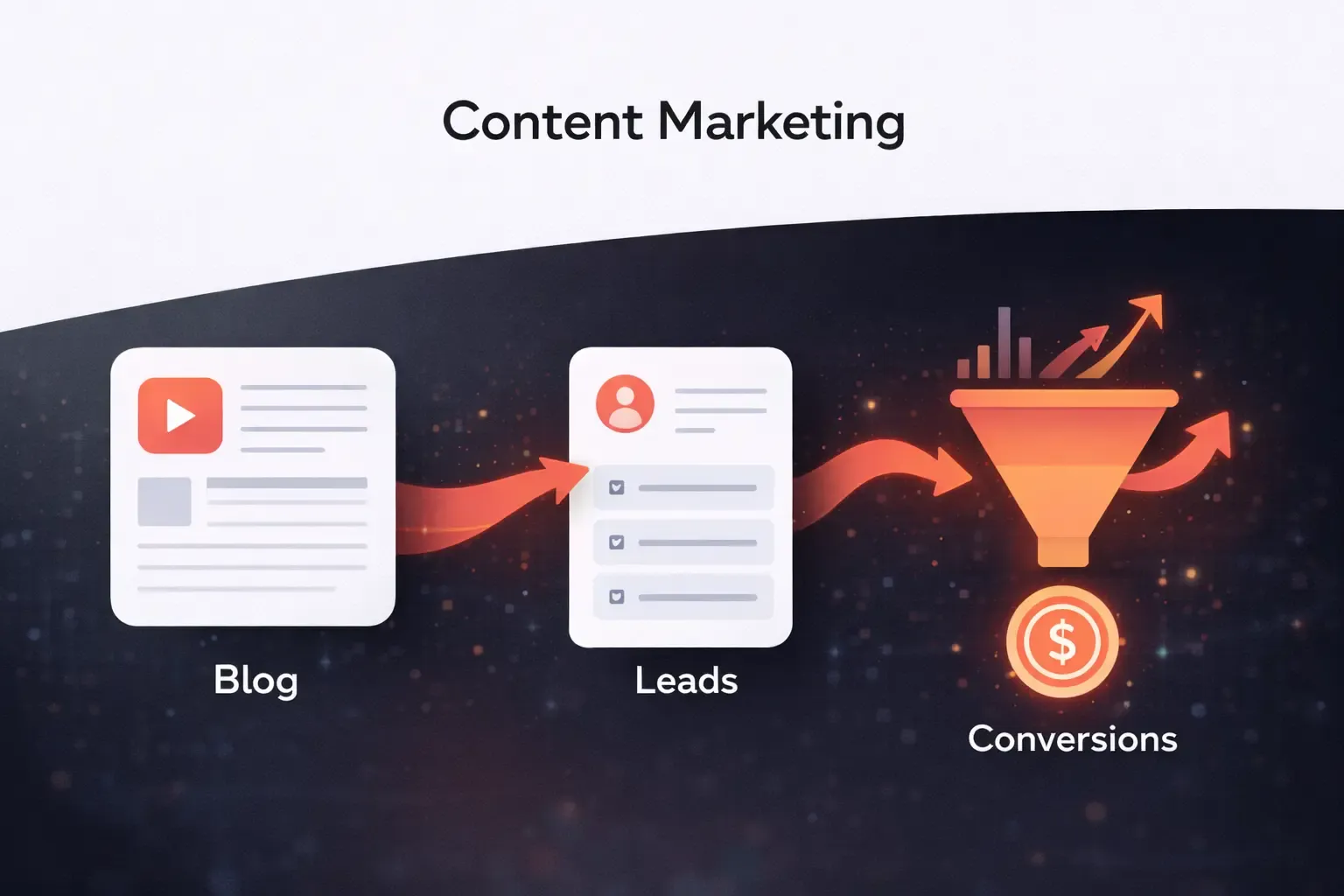
Many businesses create content consistently but fail to generate leads from it. Blogs get views. Social posts get likes. Videos get engagement. Yet inquiries remain low.
The difference between content that performs and content that converts lies in strategy. When built correctly, content becomes a predictable lead generation engine rather than just a visibility tool.
This guide explains how to turn content into a lead generation engine that attracts, nurtures, and converts the right audience.
Why Content Is the Foundation of Lead Generation
Content is the first interaction many users have with your brand. Before filling a form or booking a call, users search, read, and compare.
Content Builds Trust Before the Sale
High-quality content:
- Answers real user questions
- Demonstrates expertise
- Reduces buyer hesitation
- Positions your brand as a solution
Trust-driven content increases conversion quality, not just volume.
Start With Clear Lead Generation Goals
Content without direction cannot generate leads.
Define What a Lead Means for Your Business
A lead can be:
- A contact form submission
- A demo request
- A consultation booking
- An email subscription
- A downloadable asset request
Every piece of content should support at least one clear action.
Align Content With Search Intent
Search intent determines whether content attracts buyers or browsers.
Focus on Informational and Commercial Intent
Informational content educates users early in the journey. Commercial content supports decision-making.
Examples include:
- How-to guides
- Comparison content
- Problem-solution articles
- Industry insights
Matching content to intent improves lead quality and conversion rates.
Build Content Around the Buyer Journey
A strong lead generation engine supports users at every stage.
Awareness Stage Content
At this stage, users search for answers. Content should focus on education, not selling.
Examples:
- Beginner guides
- Industry trends
- Common problems explained
- Educational blog posts
Consideration Stage Content
Users now compare options. Content should build authority and differentiation.
Examples:
- Strategy guides
- Case studies
- Framework explanations
- Best practice articles
Decision Stage Content
Here, users are ready to act. Content should reduce friction.
Examples:
- Service pages
- FAQs
- Pricing explanations
- Use-case content
Use Strategic Calls to Action
Great content without clear direction fails to convert.
CTAs Should Match Content Intent
Educational content works best with soft CTAs such as:
- Download guides
- Subscribe to insights
- Book a discovery call
Decision-focused content should use direct CTAs like:
- Request a quote
- Schedule a consultation
- Get started today
CTAs must feel helpful, not forced.
Optimize Content for Conversions
SEO brings users. Conversion optimization turns them into leads.
Improve Readability and Structure
Content converts better when it is:
- Easy to scan
- Broken into short paragraphs
- Supported by clear headings
- Written in active voice
Good readability keeps users engaged longer.
Build Trust Signals Into Content
Trust accelerates lead generation.
Include:
- Proof of experience
- Client outcomes
- Industry expertise
- Clear value propositions
Trust-focused content improves form completion rates.
Use Gated Content Strategically
Not all content should be gated.
When to Gate Content
Gated content works best when it offers high perceived value, such as:
- Detailed guides
- Research insights
- Templates
- Frameworks
Gating basic content can reduce reach and harm SEO performance.
Repurpose Content to Multiply Leads
One strong piece of content can fuel multiple lead sources.
Turn One Asset Into Many Touchpoints
Repurpose content into:
- Social media posts
- Email campaigns
- Lead magnets
- Video summaries
- Sales enablement assets
This approach increases ROI without creating content from scratch.
Track and Improve Lead Performance
Content must evolve based on performance data.
Metrics That Matter for Lead Generation
Focus on:
- Conversion rate
- Time on page
- Assisted conversions
- Lead quality
- Cost per lead
Avoid measuring success by traffic alone.
Common Mistakes That Stop Content From Generating Leads
Avoid these issues:
- Writing for keywords only
- No clear CTA
- Poor internal linking
- Ignoring user intent
- Over-promotional messaging
Content should guide, not pressure.
How Long It Takes to See Results
Content-based lead generation is a long-term strategy.
SEO-driven content may take months to mature, but once established, it generates leads consistently with lower acquisition costs.
Patience and consistency are critical.
Conclusion
Turning content into a lead generation engine requires intent-driven strategy, strong SEO foundations, and conversion-focused design. Content that educates, builds trust, and guides users naturally outperforms content created only for visibility.
Brands that align content marketing strategy, SEO lead generation, and conversion optimization create scalable systems that attract qualified leads consistently.
Frequently Asked Questions
How long does content take to generate leads
Content typically takes several weeks to months to generate consistent leads, depending on competition and distribution.
Does every blog need a lead form
No. Some content supports early awareness and nurtures users before conversion.
Is SEO necessary for content lead generation
Yes. SEO helps attract high-intent users who are actively searching for solutions.
Can content replace paid lead generation
Content can reduce dependency on paid ads, but combining both often delivers the best results.
What type of content converts best
Problem-solving content aligned with user intent converts better than promotional content.


Ready to Elevate Your Brand?
Start Your Project Today