October 23, 2025
From Clicks to Conversations: Why Conversational Marketing Rules
Milaaj Editorial / Research Insights
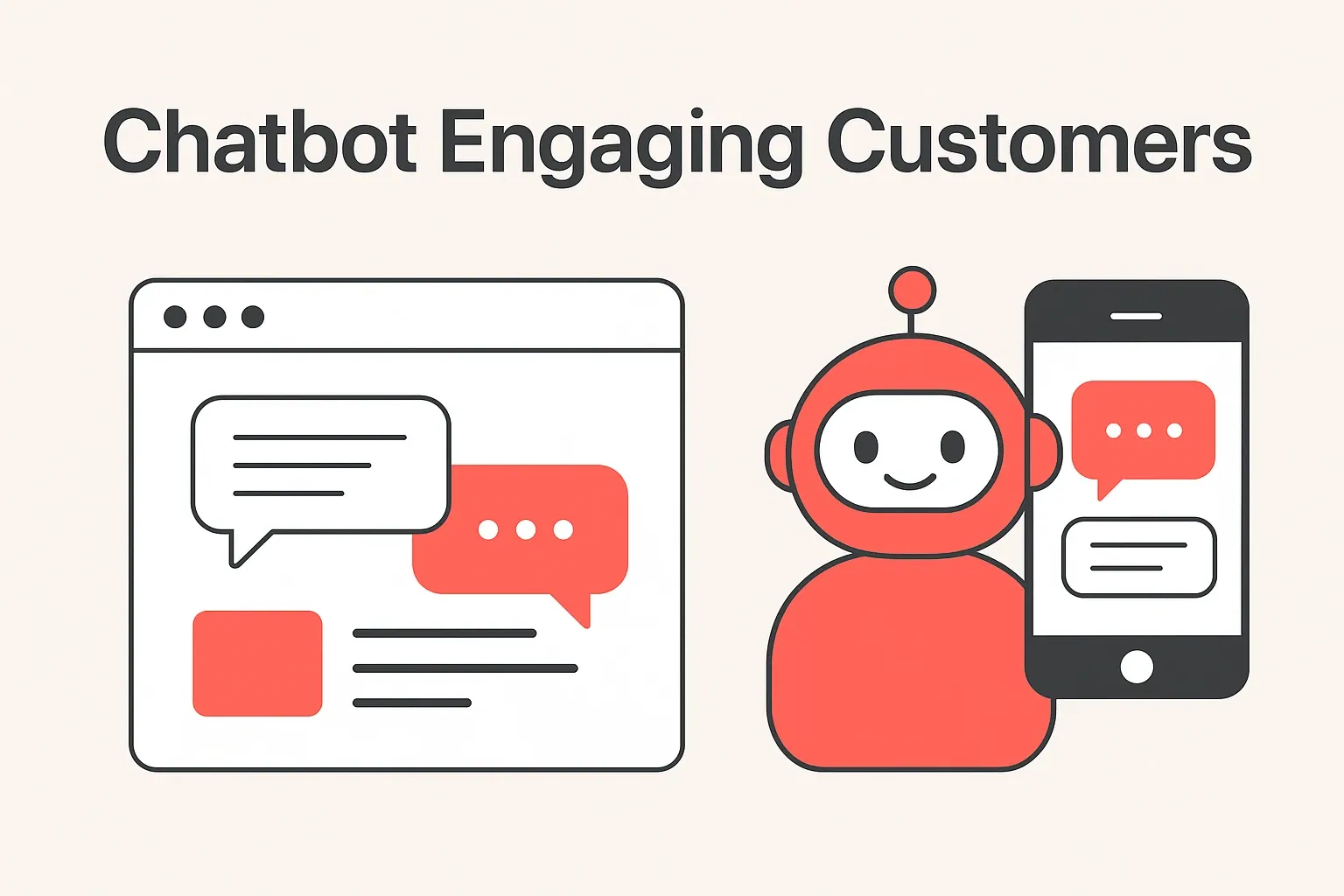
Ten years ago, digital marketing was all about clicks, impressions, and conversion funnels. Brands focused on reaching as many people as possible with targeted ads, catchy CTAs, and endless email campaigns. But times have changed.
Today, success isn’t measured only by how many people click—it’s about how many people connect.
That shift has given rise to conversational marketing, a strategy that transforms how businesses communicate. Instead of cold, one-way marketing messages, conversational marketing invites customers into genuine dialogue. It builds trust, nurtures loyalty, and delivers a personalized experience that feels natural.
In a world driven by automation and algorithms, conversation has become the most human way to stand out.
What Exactly Is Conversational Marketing?
Conversational marketing is a two-way communication strategy that enables real-time interaction between brands and customers.
It uses AI chatbots, live chat tools, and social messaging apps to engage users the moment they show intent—whether they’re browsing a website, comparing products, or seeking support.
Instead of long forms or delayed responses, customers get instant answers and personalized guidance.
For example, imagine landing on an e-commerce site that asks, “Looking for something specific today?” Within seconds, you’re getting product recommendations based on your budget, preferences, and past purchases.
That’s conversational marketing in motion—simple, fast, and human-centered.
Why Traditional Marketing Isn’t Enough Anymore
Traditional marketing still has its place, but it lacks immediacy and empathy.
A banner ad might grab attention, but it doesn’t start a conversation. An email might reach your inbox, but it can’t adapt in real time to your questions or intent.
Customers now expect brands to respond instantly and understand their needs without making them dig for information. According to Drift’s Conversational Marketing Report, over 82% of consumers expect an immediate reply when they reach out to a brand online.
The takeaway is clear: the brands that talk, listen, and respond in real time are the ones winning the loyalty game.
How Conversational Marketing Works Behind the Scenes
Modern conversational marketing combines AI technology and human empathy. Here’s how it all comes together:
- AI-Powered Chatbots: These virtual assistants handle FAQs, bookings, and recommendations 24/7.
- Live Chat Support: When complex issues arise, human agents step in seamlessly.
- Social Messaging Channels: WhatsApp, Instagram, and Messenger keep the conversation flowing naturally.
- Data-Driven Personalization: Every chat collects insights that help refine future interactions.
- CRM Integration: Conversations automatically sync with sales and marketing systems for smarter follow-ups.
When all these pieces work together, the customer journey feels fluid and frictionless—a blend of speed, empathy, and intelligence.
The Psychology Behind Conversational Marketing
Humans are wired for conversation. We respond emotionally to dialogue, tone, and empathy.
This is why conversational marketing resonates—it mirrors how real people interact. It makes users feel seen and understood, not processed.
When a chatbot remembers your name, or when a customer service agent follows up on your previous chat, it activates emotional trust. That trust leads to conversions that feel authentic, not forced.
Brands that master this art don’t just sell products—they build relationships.
Why Brands Are Switching to Conversations
- Instant Gratification
Customers no longer want to wait. A fast, relevant reply increases satisfaction and retention. - Higher Conversion Rates
Conversations simplify the buying process. The fewer steps between interest and purchase, the higher the conversion. - 24/7 Availability
AI chatbots ensure customers are never left waiting—time zones no longer matter. - Personalized Journeys
Every conversation adapts to user behavior and preferences, increasing engagement. - Actionable Insights
Brands can analyze chat transcripts to understand customer pain points and expectations.
When done right, conversational marketing becomes a feedback loop of continuous improvement—every interaction makes the next one better.
How to Build a Conversational Marketing Strategy
A good conversational strategy isn’t about adding a chatbot to your site and calling it a day. It’s about creating intent-driven experiences.
Here’s a step-by-step guide to doing it effectively:
1. Understand Your Audience
Know your users, their questions, and their typical buying journey. Build conversation flows that reflect real human curiosity.
2. Choose the Right Platforms
Pick where your audience lives—whether that’s your website chat, Instagram DMs, or WhatsApp Business.
3. Blend AI with Human Support
Let AI handle speed and scale, but keep humans ready for empathy, complex queries, and problem resolution.
4. Keep It Natural
Conversations should sound friendly, not robotic. Use tone, emojis (when appropriate), and personalized touches.
5. Analyze and Improve
Use analytics to learn which messages perform best and adjust your approach based on data insights.
6. Connect with Your CRM
Integrate chat interactions with your marketing and sales systems to automate follow-ups, reminders, and lead nurturing.
Real-Life Use Cases of Conversational Marketing
- E-commerce: A shopper browsing headphones gets a quick product suggestion and free shipping promo via live chat—resulting in an instant purchase.
- Service Businesses: A customer asks about repair services through WhatsApp and books an appointment within minutes, thanks to guided conversation.
- Agencies: Milaaj BrandSet’s Digital Marketing Solutions help brands personalize every interaction and generate more qualified leads through AI-enhanced chat systems.
Each of these examples shows one thing: people are more likely to buy when they feel heard.
Measuring the Success of Conversational Marketing
To know whether your efforts are paying off, focus on metrics that reflect engagement and conversion quality, not just volume.
Key performance indicators include:
- Response time and chat satisfaction rates
- Lead qualification and conversion percentages
- Customer retention rates
- Average conversation duration
- Revenue per chat session
Tracking these numbers helps you refine your strategy and prove ROI to stakeholders.
The Future of Conversational Marketing
The future isn’t about more messages—it’s about smarter conversations.
AI is becoming capable of emotion detection, sentiment analysis, and even predictive intent recognition. That means your chatbot might soon identify when a customer is frustrated and respond with empathy—or suggest a discount at the perfect moment.
Voice assistants and AR chat experiences are also evolving fast. Imagine a near future where customers can speak to your brand through smart glasses or wearables, getting instant answers without typing a word.
Conversational marketing is no longer an experiment—it’s becoming the default interface for human-digital interaction.
Conclusion
In a world overflowing with noise, people crave authenticity.
Conversational marketing transforms digital communication by putting empathy, speed, and personalization first. It’s not just about conversions; it’s about connection.
As automation grows, brands that listen will always outperform those that only broadcast.
If you want to create meaningful interactions that drive real business results, it’s time to start the conversation.
Discover how your business can connect better and convert faster with:
Start connecting—not just converting.


Ready to Elevate Your Brand?
Start Your Project Today