January 5, 2026
Why Dark Mode and Dynamic Themes Are Essential for Modern Web UX
Milaaj Editorial / Research Insights
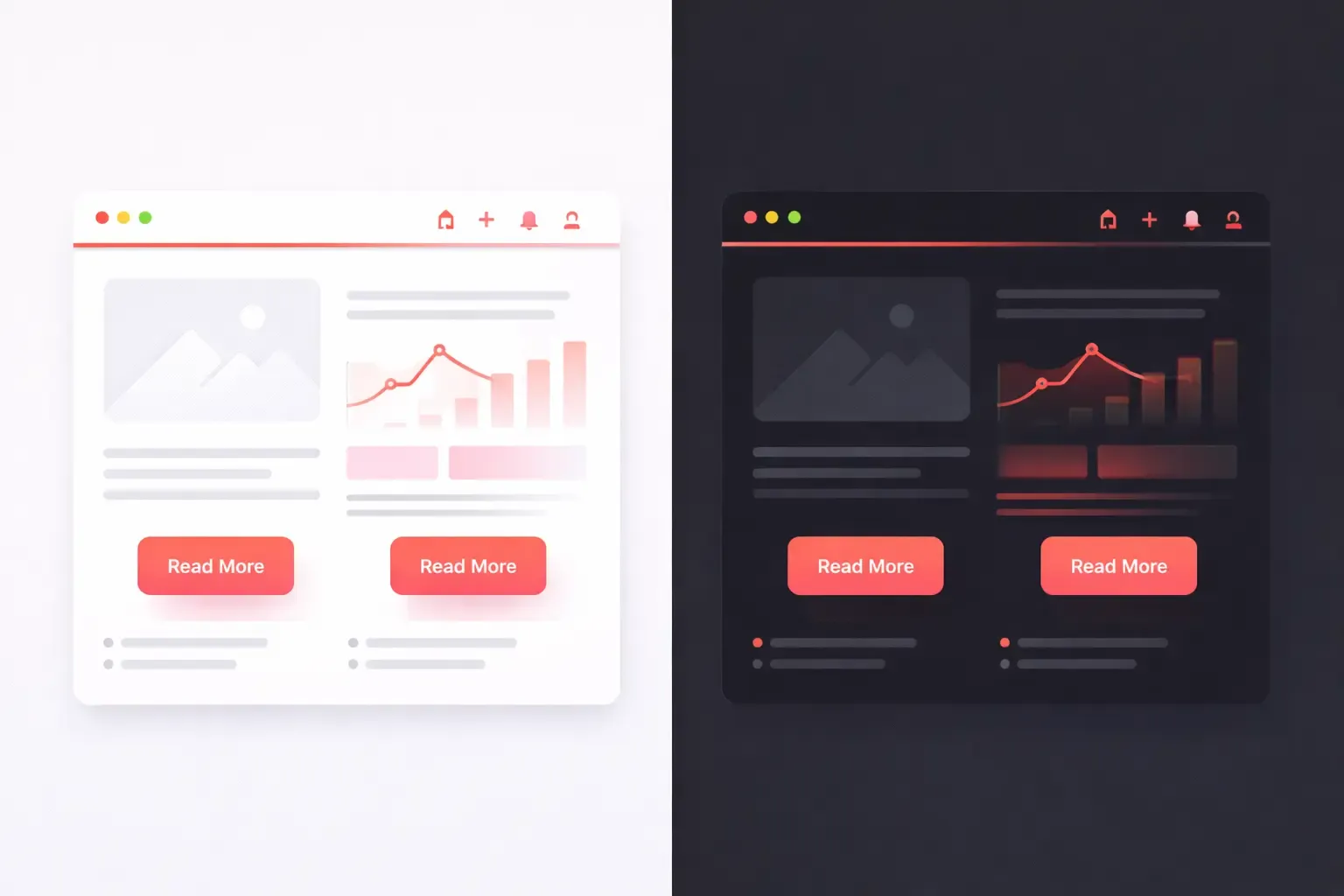
User expectations have changed dramatically over the past few years. People no longer interact with websites in a single environment, at a single time of day, or on a single device. They browse at night, on the move, during work hours, and across screens with very different lighting conditions.
This shift is why dark mode and dynamic themes are no longer design trends. They have become essential elements of modern web user experience.
What once felt like a visual preference has evolved into a usability, accessibility, and brand perception factor that directly impacts engagement and retention.
The Evolution of User-Centered Web Design
Modern UX design is rooted in empathy. It adapts to users instead of forcing users to adapt to interfaces.
Dark mode and dynamic themes represent this evolution. They allow interfaces to respond to:
- Ambient lighting conditions
- User comfort preferences
- Accessibility needs
- Device-level settings
This adaptability creates a more inclusive and frictionless experience.
Why Users Actively Prefer Dark Mode
Dark mode is no longer a niche feature for developers or designers. It has become a mainstream expectation.
Users prefer dark mode because it:
- Reduces eye strain in low-light environments
- Feels more comfortable during extended browsing sessions
- Minimizes screen glare
- Preserves battery life on OLED displays
For many users, dark mode is not just a visual choice. It is a comfort requirement.
The Psychological Impact of Dark Interfaces
Dark interfaces evoke a different emotional response compared to light themes.
They often feel:
- Calm and focused
- Premium and modern
- Less visually aggressive
This emotional shift can increase time on site, reduce bounce rates, and improve content consumption, especially for content-heavy platforms.
Dynamic Themes Go Beyond Light and Dark
Dynamic themes extend the idea of dark mode by adapting in real time.
Instead of offering a static light or dark option, dynamic themes respond to:
- System-level preferences
- Time of day
- Device settings
- User behavior
This creates an experience that feels intelligent and personalized.
Personalization as a UX Expectation
Users now expect digital products to adapt to them.
Dynamic themes contribute to personalization by:
- Respecting user preferences automatically
- Reducing friction in settings navigation
- Creating consistency across apps and devices
When a website aligns with a user’s system theme instantly, it signals thoughtful design.
Accessibility Benefits of Dark Mode and Dynamic Themes
Accessibility is one of the strongest arguments for theme flexibility.
Dark mode and dynamic themes help:
- Users with light sensitivity
- People with visual fatigue
- Users with certain cognitive conditions
When combined with proper contrast ratios and readable typography, these themes improve usability for a wider audience.
Dark Mode and Web Accessibility Standards
Dark mode alone does not guarantee accessibility. It must be implemented correctly.
Effective dark mode UX considers:
- Proper color contrast
- Clear visual hierarchy
- Readable font sizes
- Accessible focus states
Poorly designed dark themes can reduce readability instead of improving it.
Impact on Engagement and Retention
Comfort drives engagement.
When users feel visually comfortable:
- They stay longer
- They explore more content
- They are more likely to return
Dark mode and dynamic themes reduce cognitive load and visual fatigue, which directly supports retention.
Branding in Dark Mode Experiences
Brand identity does not disappear in dark mode. It evolves.
Strong brands adapt their:
- Color palettes
- Accent colors
- Visual hierarchy
This ensures brand recognition remains intact across themes while still prioritizing usability.
Why Consistent Theme Design Builds Trust
Inconsistent theme behavior creates friction.
When dark mode:
- Breaks layouts
- Distorts brand colors
- Reduces contrast
Users lose trust in the experience.
Consistent, well-tested theme systems signal quality and attention to detail.
Dark Mode in Mobile-First UX
Mobile usage dominates web traffic, and mobile users are often browsing in low-light conditions.
Dark mode is particularly valuable on mobile because it:
- Reduces eye strain
- Improves perceived performance
- Enhances comfort during nighttime use
Ignoring dark mode on mobile can negatively affect user satisfaction.
Performance Considerations for Dynamic Themes
Dynamic themes are not just visual. They affect performance.
Modern implementations use:
- CSS variables
- System preference detection
- Lightweight JavaScript
This ensures smooth transitions without slowing down page load times.
SEO and UX Are Closely Connected
While dark mode itself is not a ranking factor, UX quality influences SEO indirectly.
Better UX leads to:
- Lower bounce rates
- Longer session durations
- Higher engagement signals
These behavioral factors contribute to stronger overall search performance.
Dark Mode and User Control
The best UX gives users control without overwhelming them.
Offering:
- Automatic system-based themes
- Manual overrides
Creates flexibility while respecting individual preferences.
Choice empowers users and improves satisfaction.
Future-Proofing Web Design
Dark mode and dynamic themes are becoming standard expectations, not optional features.
As operating systems, browsers, and devices continue to evolve, adaptive interfaces will define modern UX maturity.
Websites that fail to adapt risk feeling outdated and less user-friendly.
Conclusion
Dark mode and dynamic themes are no longer visual enhancements. They are foundational UX elements that support comfort, accessibility, personalization, and engagement.
Brands that prioritize adaptive design create experiences that feel thoughtful, inclusive, and modern. Investing in user-focused interface design, strong UX strategy, and flexible web development approaches ensures long-term relevance in an increasingly personalized digital world.
Exploring professional UI UX design services and aligning them with a strong web development strategy can help businesses build experiences that truly respect how users interact with digital products today.
Frequently Asked Questions
Is dark mode better for all users
Not for everyone, which is why offering choice is important.
Does dark mode improve website performance
Indirectly yes, through improved engagement and comfort.
Are dynamic themes difficult to implement
Modern CSS and system preferences make implementation efficient.
Does dark mode affect brand identity
Only if not designed properly. Strong branding adapts well.
Should every website support dark mode
If user comfort and accessibility matter, the answer is yes.


Ready to Elevate Your Brand?
Start Your Project Today