January 17, 2026
Digital Marketing Mistakes That Cost Brands Revenue
Milaaj Editorial / Research Insights
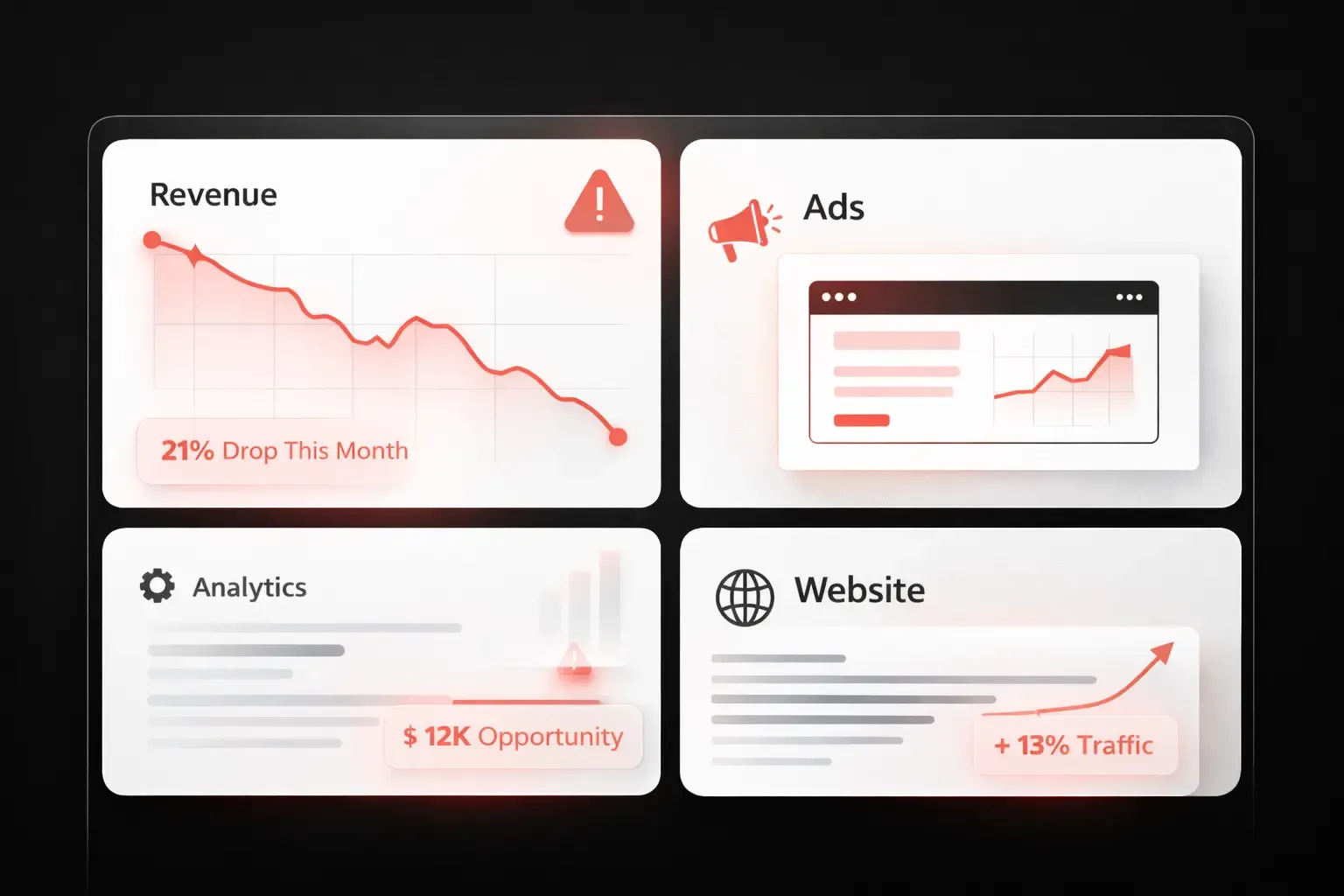
Digital marketing has become one of the most powerful growth engines for modern brands. Yet, many businesses invest heavily in campaigns, tools, and platforms without seeing real returns. The reason is rarely a lack of effort. More often, it is the presence of avoidable mistakes that quietly drain revenue over time.
From poor strategy alignment to weak user experience, digital marketing errors compound quickly. Left uncorrected, they lead to wasted budgets, missed opportunities, and declining trust.
This guide breaks down the most common digital marketing mistakes that cost brands revenue and explains how to fix them before they impact long term growth.
Treating Digital Marketing as Tactics Instead of Strategy
One of the biggest mistakes brands make is jumping into tactics without a clear strategy.
Running ads, posting on social media, or publishing blogs without defined goals leads to scattered results. Digital marketing works best when every action supports a larger business objective.
Without strategy, brands often chase vanity metrics like likes and impressions while ignoring metrics that matter such as leads, conversions, and customer lifetime value.
A strong digital strategy aligns marketing efforts with business outcomes from the start.
Ignoring User Intent
Many brands focus on what they want to say instead of what users want to know.
Search behavior, content consumption, and buying decisions are all driven by intent. When content fails to match user intent, it attracts the wrong audience or no audience at all.
Examples include:
- Writing promotional content when users want answers
- Targeting informational keywords with sales pages
- Creating generic content that solves no real problem
User intent driven content performs better in search, builds trust faster, and converts more consistently.
Poor Website Experience
A slow, confusing, or outdated website is one of the fastest ways to lose revenue.
Even the best marketing campaigns fail if users land on a website that is difficult to navigate or does not load quickly.
Common UX mistakes include:
- Slow page speed
- Cluttered layouts
- Unclear calls to action
- Poor mobile optimization
Search engines and users both reward websites that are fast, intuitive, and user focused.
Overreliance on Paid Ads
Paid advertising delivers fast results, but relying on it as the only growth channel is risky and expensive.
When ad costs rise or campaigns stop, traffic disappears overnight.
Brands that neglect organic channels like SEO and content marketing often struggle with long term sustainability.
The most profitable digital strategies balance paid visibility with organic authority.
Publishing Content Without Authority
Publishing content alone is not enough. Content must demonstrate experience, expertise, and credibility.
Thin articles written only to rank rarely perform well in modern search. AI powered search engines now favor content that reflects real understanding and practical insight.
Without authority:
- Content does not rank long term
- Users do not trust the brand
- Conversion rates remain low
Authority is built through consistency, depth, and relevance.
Inconsistent Branding Across Channels
When branding changes from one platform to another, trust erodes.
Inconsistent tone, visuals, or messaging confuse users and weaken brand recognition.
Strong digital brands maintain consistency across:
- Websites
- Social media
- Ads
- Content
- Email marketing
Consistency reinforces credibility and improves conversion rates.
Ignoring Data and Analytics
Many brands collect data but do not use it effectively.
Analytics reveal what is working, what is failing, and where revenue is being lost. Ignoring these insights leads to repeated mistakes and missed optimization opportunities.
Key metrics brands often overlook include:
- Conversion paths
- User behavior flow
- Drop off points
- Returning visitor data
Data driven decisions outperform assumptions every time.
Focusing on Traffic Instead of Conversions
High traffic numbers look impressive, but traffic alone does not pay the bills.
If visitors do not take action, marketing spend is wasted.
Conversion optimization is just as important as acquisition. This includes:
- Clear messaging
- Trust signals
- Strong calls to action
- Optimized landing pages
Revenue growth comes from turning visitors into customers, not just attracting clicks.
Neglecting Long Term SEO
SEO is not a one time task. It requires ongoing optimization, content updates, and technical maintenance.
Brands that stop investing in SEO often see gradual declines in visibility and traffic.
Modern SEO focuses on:
- Topical authority
- User experience
- Content quality
- Search intent alignment
Neglecting SEO allows competitors to take market share quietly.
Lack of Clear Value Proposition
If users cannot quickly understand what makes a brand different, they leave.
A weak or unclear value proposition is a silent revenue killer.
Your audience should instantly know:
- Who you help
- What you offer
- Why you are better
Clear positioning improves engagement, trust, and conversion rates.
Why These Mistakes Add Up
Individually, these mistakes may seem small. Together, they create friction at every stage of the customer journey.
This leads to:
- Lower visibility
- Higher acquisition costs
- Reduced trust
- Missed conversions
Fixing these issues often unlocks growth without increasing marketing spend.
Conclusion
Digital marketing does not fail because it stops working. It fails when strategy, experience, and execution fall out of alignment.
Brands that invest in search engine optimization services and follow a well structured digital marketing strategy are better positioned to avoid costly mistakes and build sustainable growth.
Revenue growth comes from clarity, consistency, and customer focused execution.
Frequently Asked Questions
What is the most common digital marketing mistake
The most common mistake is running tactics without a clear strategy tied to business goals.
Can poor website UX affect revenue
Yes. A bad user experience leads to higher bounce rates and lower conversions.
Is SEO still important for revenue growth
Yes. SEO drives long term visibility, qualified traffic, and lower acquisition costs.
Why is user intent important in digital marketing
User intent determines whether content attracts the right audience and converts effectively.
How often should digital strategies be reviewed
Most brands should review performance monthly and adjust strategy quarterly.



Ready to Elevate Your Brand?
Start Your Project Today