February 3, 2026
Ecommerce Personalization Strategy That Drives Revenue
Milaaj Editorial / Research Insights
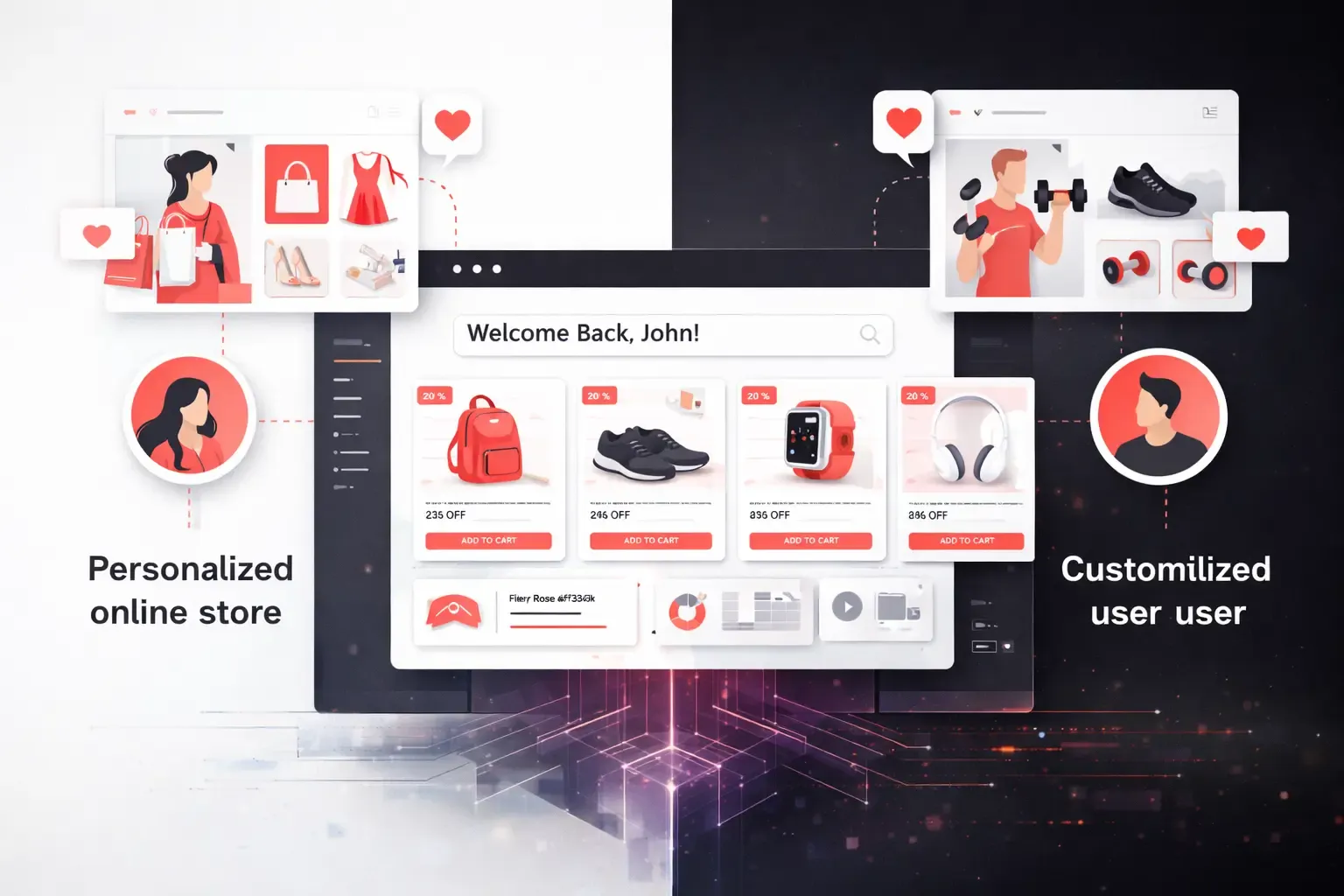
Ecommerce has changed. Shoppers no longer compare only prices. They compare experiences. When every online store offers similar products, relevance becomes the real competitive advantage.
This is why an effective ecommerce personalization strategy now plays a direct role in revenue growth. Brands that personalize the shopping journey see higher conversions, larger order values, and stronger customer loyalty.
This guide explains what ecommerce personalization really means, how it works, and how to implement it in a way that builds trust, authority, and long-term growth.
Why Ecommerce Personalization Strategy Matters More Than Ever
Modern shoppers expect brands to understand them. Generic storefronts no longer convert like they used to.
A strong ecommerce personalization strategy helps brands:
- Reduce bounce rates
- Improve conversion rates
- Increase average order value
- Strengthen customer retention
- Build trust and brand authority
Personalization shifts ecommerce from mass selling to meaningful engagement.
What Is an Ecommerce Personalization Strategy
An ecommerce personalization strategy is a structured approach to delivering tailored shopping experiences based on user behavior, preferences, and intent.
It goes beyond basic customization and focuses on real-time relevance.
From Static Stores to Adaptive Experiences
A modern personalization strategy adapts:
- Product recommendations
- Homepage layouts
- Content messaging
- Email campaigns
- Offers and promotions
Every visitor sees a version of the store designed for their needs.
How Ecommerce Personalization Strategy Drives Revenue Growth
Personalization directly impacts key revenue metrics across the customer journey.
Higher Conversion Rates Through Relevance
When users see products aligned with their intent, they decide faster.
Personalized product listings and recommendations reduce friction and remove guesswork. Shoppers feel understood, which increases purchase confidence.
Relevant experiences convert better than generic ones.
Increased Average Order Value Without Discounts
A well-executed ecommerce personalization strategy increases order value by suggesting:
- Complementary products
- Upgrades
- Frequently bought together items
These recommendations feel helpful, not sales-driven, which makes customers more willing to spend.
Stronger Customer Retention and Lifetime Value
Returning customers expect recognition. Personalization makes them feel valued.
When users receive tailored offers, reminders, and content, they return more often. This increases customer lifetime value and reduces dependency on paid acquisition.
Retention becomes predictable.
The Psychology Behind Personalized Ecommerce Experiences
Personalization works because it aligns with how humans make decisions.
Relevance Builds Trust
When a store remembers preferences or browsing history, it signals care and attention. This builds emotional trust, which directly influences buying behavior.
Trust drives loyalty more than price.
Reduced Cognitive Load Improves Decisions
Too many choices overwhelm shoppers. Personalization narrows options based on relevance.
Simpler decision-making leads to faster checkouts and fewer abandoned carts.
Core Elements of a High-Impact Ecommerce Personalization Strategy
Not all personalization delivers equal value. Focus on areas that influence revenue the most.
Personalized Homepages
Dynamic homepages adjust based on:
- New vs returning visitors
- Browsing behavior
- Location
- Device type
This creates a strong first impression and improves engagement.
Smart Product Recommendations
Recommendation engines analyze:
- Browsing patterns
- Purchase history
- Similar customer behavior
These insights drive relevant product suggestions that increase conversions and order value.
Behavior-Driven Email Personalization
Personalized emails outperform generic campaigns.
High-performing examples include:
- Abandoned cart reminders
- Recently viewed product emails
- Post-purchase recommendations
- Re-engagement messages
Timing and relevance matter more than frequency.
Data That Powers Ecommerce Personalization Strategy
Personalization depends on actionable data, not assumptions.
Key Data Sources
Effective strategies use:
- Browsing behavior
- Search queries
- Purchase history
- Engagement metrics
- Device and location data
The goal is understanding intent, not collecting unnecessary data.
AI and Automation in Ecommerce Personalization
AI enables personalization at scale.
How AI Improves Accuracy and Speed
AI-powered personalization:
- Analyzes behavior in real time
- Predicts future intent
- Adjusts content dynamically
This allows brands to personalize experiences instantly without manual effort.
AI enhances relevance while reducing operational complexity.
Personalization vs Privacy: Finding the Right Balance
Over-personalization can damage trust if handled poorly.
Ethical Personalization Builds Authority
Strong brands:
- Are transparent about data usage
- Respect user consent
- Avoid invasive tactics
Privacy-first personalization aligns with Google’s trust and quality guidelines and strengthens long-term brand authority.
Common Ecommerce Personalization Mistakes to Avoid
Many brands fail due to poor execution.
Avoid:
- Generic recommendations labeled as personalized
- Ignoring mobile personalization
- Poor data integration across platforms
- Overloading users with offers
- Treating all customers the same
A successful ecommerce personalization strategy feels natural and helpful.
Measuring the Success of an Ecommerce Personalization Strategy
Revenue growth depends on tracking the right metrics.
Metrics That Matter
Focus on:
- Conversion rate
- Average order value
- Customer lifetime value
- Repeat purchase rate
- Engagement and time on site
These indicators show whether personalization drives real business outcomes.
Ecommerce Personalization and Google E-E-A-T
Personalization supports Google’s E-E-A-T framework when done correctly.
Experience and Trust Signals
Personalized content reflects real user understanding and behavioral insights. This reinforces experience and trust.
Authority Through Consistency
Consistent, relevant experiences build brand authority over time. Search engines reward brands that prioritize user satisfaction.
Building a Scalable Ecommerce Personalization Strategy
Personalization works best when aligned with business goals.
Start Simple, Scale Smart
Begin with:
- Homepage personalization
- Product recommendations
- Abandoned cart emails
Then expand using AI-driven personalization and predictive analytics.
Simplicity ensures accuracy and sustainability.
The Future of Ecommerce Personalization Strategy
Personalization will move beyond segments to individual intent modeling.
Future trends include:
- Predictive personalization
- Voice and visual search adaptation
- Cross-channel personalization
- Emotion-aware interfaces
Brands that invest early will dominate customer loyalty.
Conclusion
A successful ecommerce personalization strategy works best when it is built on a strong technical foundation and supported by long-term visibility. Personalization alone cannot drive revenue unless your platform is scalable, fast, and optimized for user behavior.
By combining custom e-commerce development with search engine optimization strategies that attract high-intent traffic, brands can create personalized shopping experiences that convert visitors into loyal customers. This integrated approach ensures personalization efforts are discoverable, measurable, and profitable in competitive digital markets.
Personalization is no longer optional. It is the foundation of profitable ecommerce.
Frequently Asked Questions
What is an ecommerce personalization strategy
It is a structured approach to tailoring shopping experiences based on user behavior, preferences, and intent.
Does personalization really increase ecommerce revenue
Yes. It improves conversions, increases average order value, and strengthens customer retention.
Is ecommerce personalization only for large brands
No. Small and mid-sized stores can implement basic personalization effectively.
How much data is needed for personalization
Behavioral data is often enough to start. Quality matters more than volume.
Can personalization harm customer trust
Only if it feels invasive. Transparent and ethical personalization builds trust.

Ready to Elevate Your Brand?
Start Your Project Today