December 20, 2025
The Psychology of E-Commerce Pricing: What Really Converts
Milaaj Editorial / Research Insights
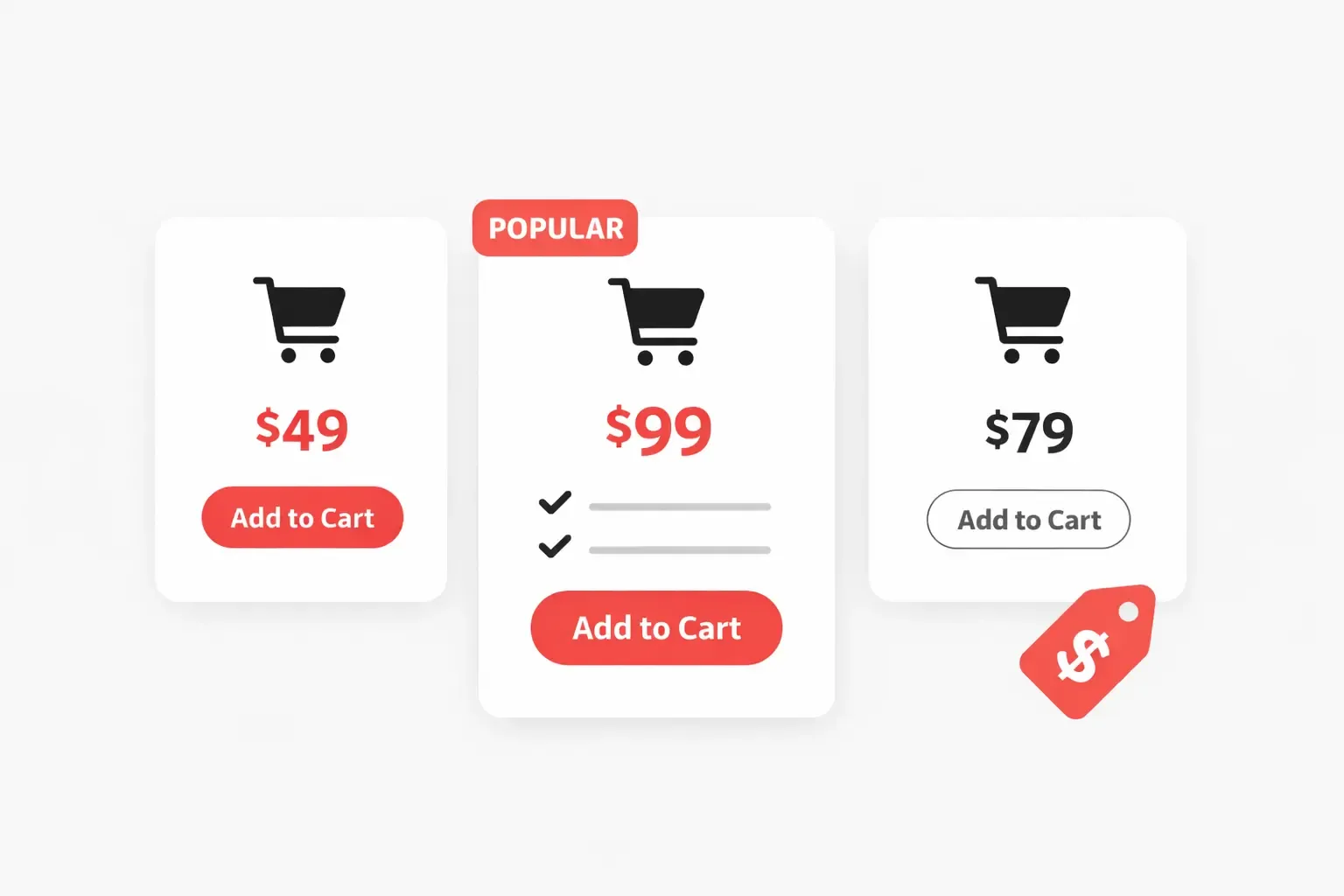
When people shop online, they rarely decide based on price alone. They decide based on how that price feels.
The same product priced differently, presented differently, or framed differently can produce completely different conversion results. This is why understanding pricing psychology is essential for e-commerce success.
Great pricing does not pressure users. It guides them. It builds confidence, removes doubt, and makes the decision feel natural.
How Online Shoppers Actually Think About Price
Most buyers do not calculate value logically. Instead, they rely on quick mental shortcuts.
Shoppers subconsciously ask:
- Is this worth it
- Does this feel fair
- Can I trust this brand
- Am I making the right decision
Your pricing must answer these questions instantly.
Perceived Value Matters More Than Low Prices
Lower prices do not always convert better. In many cases, they reduce trust.
Perceived value is influenced by:
- Product presentation and imagery
- Clear benefits and use cases
- Social proof and reviews
- Brand positioning
- Transparency
When value is obvious, price resistance drops.
Why Context Changes How Price Is Perceived
Price without context feels risky. Price with context feels justified.
Showing comparisons, bundles, or premium options helps users understand where a product fits. This reduces hesitation and speeds up decision-making.
Context makes pricing feel intentional rather than arbitrary.
How Anchoring Shapes Buyer Decisions
Anchoring works by giving shoppers a reference point.
When users see:
- A higher original price
- A premium option before a standard one
- A bundled value compared to a single item
The actual price feels more reasonable.
Anchoring works best when it is subtle and honest.
Why Simpler Pricing Converts Better
Too many price options confuse users. Confused users do not buy.
User-friendly pricing:
- Offers clear differences
- Highlights a recommended option
- Avoids unnecessary complexity
When users understand their choices quickly, conversions improve.
Free Shipping and the Psychology of Loss
Shipping fees feel like a penalty. Even small fees can stop a purchase.
Free shipping feels like a gain, even if the total cost is similar.
Clear and upfront pricing removes friction and builds trust before checkout.
Urgency That Feels Real, Not Pushy
Urgency works when it reflects reality.
Limited stock, time-sensitive offers, and availability indicators can motivate action when they are truthful and clearly explained.
Artificial urgency damages credibility and long-term conversions.
Why Discounts Alone Do Not Build Loyalty
Discounts can increase short-term sales, but they train customers to wait.
Long-term growth comes from:
- Clear value communication
- Quality positioning
- Consistent pricing logic
Brands that rely on value outperform brands that rely on constant discounts.
Pricing Design Is Part of Conversion Optimization
Pricing presentation affects how users feel.
Effective pricing design includes:
- Readable typography
- Clear spacing
- Visual focus on key offers
- Minimal distractions
Good design reduces cognitive effort and increases confidence.
Reducing Risk at the Price Point
At the moment of payment, buyers feel the most uncertainty.
Risk-reducing elements include:
- Easy returns
- Clear policies
- Secure checkout indicators
- Customer reviews near pricing
These elements reassure users when it matters most.
Why Transparency Builds Higher Conversions
Hidden costs destroy trust instantly.
Transparent pricing:
- Reduces cart abandonment
- Improves customer satisfaction
- Increases repeat purchases
When customers feel respected, they convert more easily.
Testing Pricing for Real User Behavior
No pricing strategy is perfect forever.
Testing allows you to:
- Understand buyer psychology
- Identify friction points
- Improve conversion rates
Data-driven pricing removes assumptions and reveals what truly works.
Conclusion
E-commerce pricing is a psychological experience, not a mathematical one. What converts is not the cheapest price, but the clearest value.
When pricing feels fair, understandable, and aligned with user expectations, buyers move forward with confidence.
If you are working to improve pricing performance and conversions, strategic support in e-commerce optimization and conversion-focused digital marketing can help align your pricing with real customer behavior.
The best pricing does not convince users to buy. It makes buying feel like the right decision.
Frequently Asked Questions
What is e-commerce pricing psychology
It is the study of how pricing presentation influences buyer emotions, trust, and decisions online.
Does lower pricing always increase conversions
No. Lower pricing can reduce perceived quality and trust if value is not clearly communicated.
Why does free shipping improve conversions
Because shipping fees feel like an extra loss, even when the total price is similar.
Should brands rely heavily on discounts
No. Overuse of discounts harms brand perception and long-term profitability.
How can pricing improve trust
By being transparent, consistent, and aligned with the brand’s value proposition.
Is pricing design important
Yes. Visual clarity directly impacts how confident users feel about purchasing.

Ready to Elevate Your Brand?
Start Your Project Today