December 5, 2025
Email Marketing Evolution: Personalization Without Overload
Milaaj Editorial / Research Insights
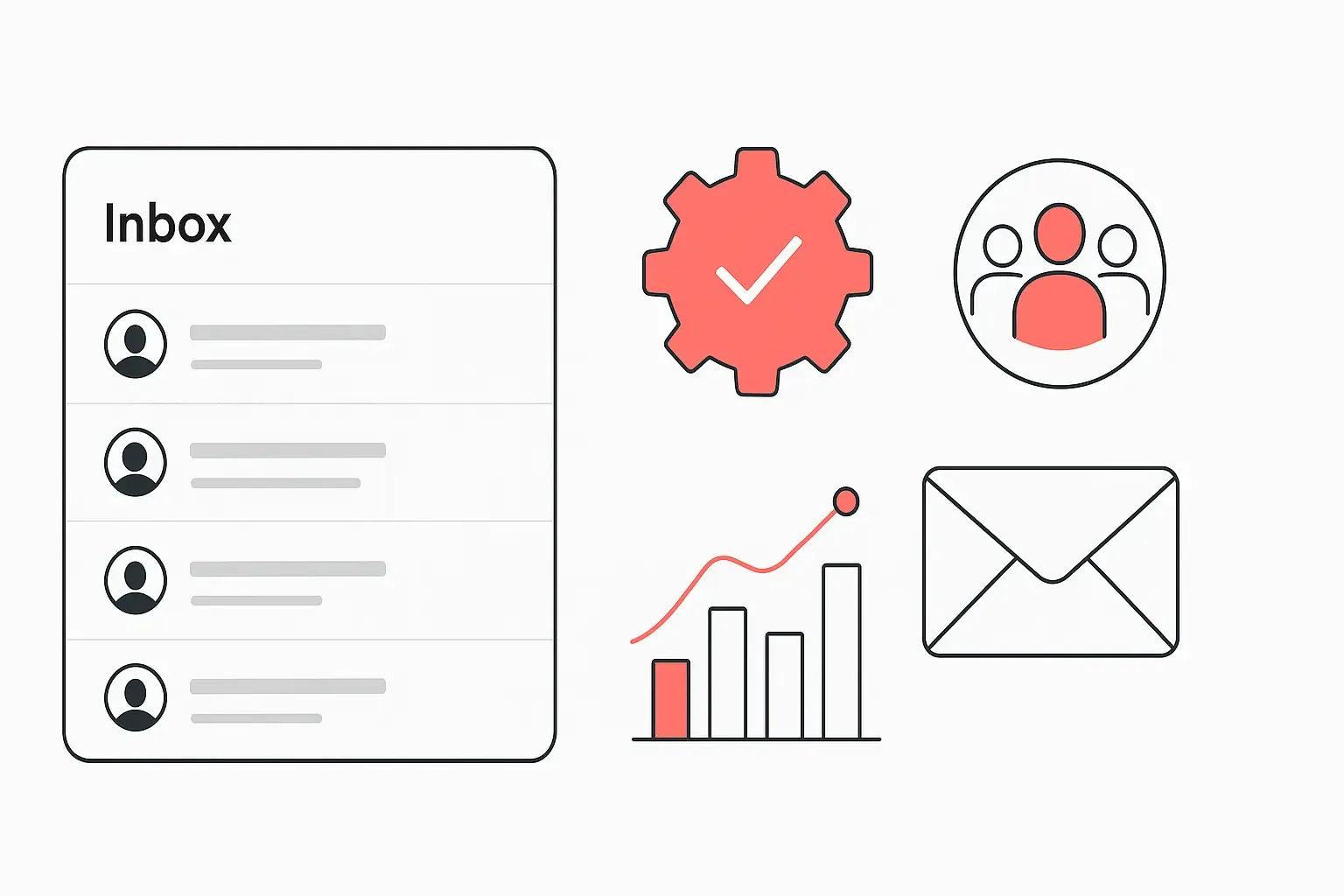
Email marketing is one of the oldest digital marketing channels, yet it continues to outperform social media, paid ads, and most content formats in terms of ROI. What has changed dramatically over the past few years is how brands personalize the inbox experience.
Customers today expect relevance, context, timing, and value. They don’t want bulk emails, generic greetings, or one-size-fits-all promotions. At the same time, they don’t want overly aggressive personalization that feels intrusive.
This balance is shaping the new era of email marketing. It is no longer about sending more emails. It is about sending smarter emails that connect, convert, and build customer trust without overwhelming your audience.
This guide explores how email marketing is evolving, how personalization works today, what customers actually want, and how your brand can use personalization to create meaningful engagement without causing inbox fatigue.
The Shift From Basic Email Blasts to Intelligent Email Experiences
Email used to be simple. Businesses would create a message, send it to their entire list, and hope for the best. That approach worked in the early 2010s when people received fewer emails and competition was lighter.
Today, the inbox is crowded. People receive dozens of promotional emails daily. They quickly unsubscribe, ignore, or delete anything that feels generic. This forced brands to move away from bulk-sending and toward smarter, more personalized experiences.
The modern customer expects email content that feels relevant to:
- their behavior
- their past purchases
- their browsing activity
- their preferences
- their stage in the buying journey
But here is the challenge. Personalization must feel natural, not invasive. There is a fine line between helpful and uncomfortable. Brands that cross it lose trust.
This is why the evolution of email marketing focuses not just on personalization, but on personalization that respects user boundaries.
Why Personalization Matters More Than Ever
Personalization drives results. When done well, it can dramatically increase:
- open rates
- click through rates
- conversions
- customer retention
- lifetime value
Customers are more likely to engage when they feel the email is relevant to them. They also expect brands to understand their interests and needs without asking too many questions or sending too many emails.
In fact, modern buyers want personalization that:
- feels helpful
- saves them time
- suggests things they actually want
- anticipates their needs
- simplifies decisions
People do not want emails that:
- target them too aggressively
- use data in a way that feels creepy
- flood their inbox
- push irrelevant products
The evolution of email marketing is about finding the right balance. Brands must be strategic, respectful, and thoughtful. Personalization is not about showing customers how much you know. It is about showing how much you care.
The Problem With Over-Personalization
Brands sometimes overdo personalization. For example:
- Using too much customer data
- Sending daily messages
- Following every website action with an email
- Creating pressure-based reminders
- Making recommendations that feel overly specific
This creates a sense of being watched rather than being helped.
Modern personalization is subtle, relevant, and value-focused.
Here is what businesses must avoid:
Using unnecessary personal details
Customers do not want emails referencing every click, view, or scroll.
Overloading the inbox
Sending too many emails can reduce trust and increase unsubscribes.
Making personalization too specific
Suggesting a product they viewed for 10 seconds can feel intrusive.
Repeating the same messaging
If customers keep seeing the same content, they lose interest.
Your goal is not to personalize everything. It is to personalize the things that matter most.
The New Rules of Email Personalization
The future of email personalization is rooted in simplicity, intelligence, and respect. Here are the new rules that guide successful email strategies.
d on Intent, Not Just Data
Instead of reacting to every behavior, focus on understanding why customers do something.
- Did they browse because they are interested?
- Did they add to cart because they are comparing?
- Did they abandon because of price?
Intent-based personalization allows you to send messages that actually help the customer rather than interrupt them.
Personalization Should Feel Like a Service, Not a Sales Pitch
Your emails should:
- make decisions easier
- offer value
- simplify buying
- give clarity
- answer questions
People engage with brands that help them, not brands that chase them.
Use Predictive Personalization Thoughtfully
AI can help identify what the customer might want next, but avoid making predictions overly direct.
Subtlety is key. For example:
Instead of:
“You viewed these sneakers yesterday. Buy them now.”
Try:
“Here are some styles we think you will like.”
Both are personalized, but one feels more comfortable.
Reduce Frequency, Increase Relevance
The best brands send fewer emails, but each one has greater impact.
Quality beats quantity.
Give People Control
Modern email preferences are flexible. You can allow users to adjust:
- frequency
- types of emails
- interests
- content categories
This reduces unsubscribes and makes subscribers feel respected.
How Brands Today Use Smart Personalization Without Overload
Here are the personalization strategies that top-performing brands use today.
Segmentation That Goes Beyond Demographics
Old segmentation: age, gender, location.
Modern segmentation: intent, behavior patterns, purchase frequency, content interests.
AI-driven segmentation divides customers in meaningful ways:
- new visitors
- repeat buyers
- cart abandoners
- high value buyers
- price sensitive shoppers
- content readers
- dormant subscribers
Each group receives different messaging.
Behavioral Triggers Used Only When Helpful
Instead of triggering emails for every behavior, smart brands trigger emails only when it supports conversion or enhances the customer experience.
Effective triggers include:
- cart abandonment
- back in stock alerts
- price drops
- product education
- post purchase recommendations
- welcome sequences
Avoid triggers like:
- reminding them about viewed pages immediately
- sending “you left this page” emails
- pushing irrelevant recommendations
Contextual Personalization
This involves crafting emails based on the customer’s environment or season.
Examples:
- seasonally relevant offers
- location-based availability
- weather-based suggestions
- event-driven content
This type of personalization feels helpful, not invasive.
Story-Led Personalization Instead of Product-Led
Instead of pushing products, brands are using storytelling:
- customer stories
- behind the scenes content
- user-generated photos
- founder stories
- product usage ideas
People connect with stories more than sales pitches.
Helpful Educational Content
Instead of discount spam, brands send:
- how to guides
- tutorials
- tips to use products
- industry insights
This positions the brand as a trusted advisor.
Minimalist Design With High Engagement
Modern emails use:
- clean layouts
- short text
- simple CTAs
- large spacing
- mobile friendly formatting
Personalization does not need heavy visuals or loud banners. Simplicity performs better.
How to Add Personalization Without Overwhelm
Here are the tactics brands use to balance personalization with comfort.
Use First Names Sparingly
People no longer find first name personalization meaningful.
Use it only when relevant.
Avoid Overly Detailed Recommendations
Keep suggestions broad and helpful, not hyper detailed.
Make Automation Invisible
Customers should not feel like the email was automated. It should feel human-led.
Focus on Relationship Building
Your emails should strengthen long-term loyalty, not push fast conversions.
Show Respect for the Inbox
Let people know:
- how often they will hear from you
- why they are receiving the email
- how to adjust their preferences
Transparency builds trust.
Examples of Email Personalization That Works Today
Welcome sequences with clear value
Introduce the brand, share your mission, educate the subscriber.
Cart recovery emails that are helpful, not pushy
Offer guidance, answer questions, highlight benefits.
Occasional personalized recommendations
Keep them general rather than super specific.
Content that teaches something useful
Tutorials, guides, inspiration.
Post purchase follow ups
Help customers get the most out of their purchase.
These win trust instead of overwhelming the user.
Why This New Email Approach Drives Higher Conversions
The most successful email strategies today are built around human understanding.
When customers feel seen but not stalked, supported but not pressured, valued but not overloaded, they become:
- more loyal
- more trusting
- more willing to buy
- more likely to open future emails
Email is personal. It goes directly to someone’s inbox. That privilege deserves respect.
Conclusion
Email marketing has evolved into a powerful channel where personalization and empathy work together. The brands that win are those that create inbox experiences that feel thoughtful, relevant, and respectful. By focusing on helpful content, intelligent segmentation, predictive insights used lightly, and human centered communication, you can personalize deeply without overwhelming your audience.
If you need expert help building smarter email workflows, optimizing customer journeys, or improving your content strategy, explore the services offered by:
These solutions help businesses create stronger, more meaningful customer communication across every channel.
Ready to Elevate Your Brand?
Start Your Project Today