October 15, 2025
Designing for Emotion: Why Empathy Is the Heart of Modern UI/UX Design
Milaaj Editorial / Research Insights
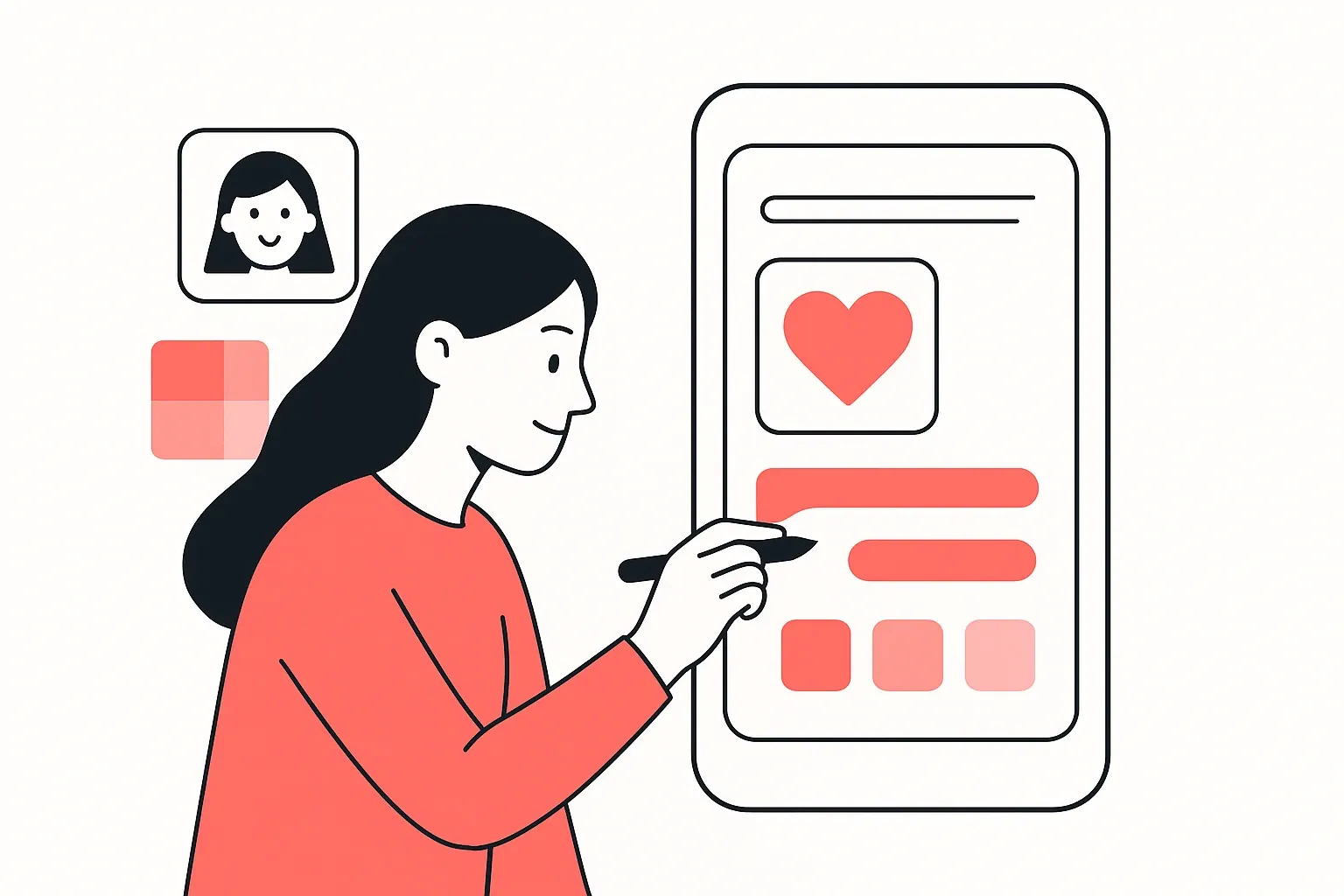
Every app, website, and product we interact with tells a story — not just through its words or visuals, but through how it makes us feel.
In an era when users scroll through hundreds of screens daily, design that sparks emotion stands out. It’s not enough for interfaces to be functional; they must be human. That’s where emotional UI/UX design comes in — a philosophy that places empathy at the heart of every pixel, button, and interaction.
When design connects emotionally, it transforms users into loyal fans, and ordinary interactions into memorable experiences.
What Is Emotional UI/UX Design?
Emotional design in UI/UX is the art of crafting digital experiences that resonate with users on a human level — evoking emotions like trust, joy, comfort, or curiosity.
This approach goes beyond usability; it seeks to create meaningful connections between users and digital products through storytelling, visual language, and behavior patterns.
Coined by Don Norman in “Emotional Design: Why We Love (or Hate) Everyday Things”, the concept reminds designers that emotion plays a huge role in decision-making. Whether a user feels calm, delighted, or frustrated directly impacts how they perceive your brand.
The Three Levels of Emotional Design (Norman’s Model):
- Visceral Level: Immediate, instinctive reactions to design aesthetics — color, layout, motion.
- Behavioral Level: How easily the design helps users accomplish their goals.
- Reflective Level: The long-term emotional response — how users feel after the interaction.
A successful UI/UX design engages all three levels — making the interface not only intuitive but emotionally rewarding.
Why Empathy Is the Core of UI/UX Design
At its foundation, great design begins with empathy — understanding the user’s emotions, pain points, and motivations.
Empathy allows designers to step into the user’s world and create solutions that feel personalized, intuitive, and human-centered.
When designers consider how users feel instead of just what they do, they create experiences that build trust and emotional loyalty — the kind of connection that keeps users coming back.
Empathy-Driven Design Principles:
- Listen actively: Conduct interviews, surveys, and usability tests that reveal emotional triggers.
- Design for inclusivity: Consider accessibility, cultural sensitivity, and emotional safety.
- Use tone and microcopy carefully: Words influence mood and perception.
- Visual empathy: Soothing colors, friendly typography, and approachable icons foster calm and trust.
Empathy turns interfaces into relationships — not transactions.
How Colors, Shapes, and Typography Evoke Emotion
Emotion in UI/UX design isn’t abstract — it’s visual, tactile, and deliberate.
1. Color Psychology
Colors are emotional shortcuts. They instantly trigger responses:
- Blue evokes trust and calm (often used in fintech and healthcare).
- Red suggests energy or urgency (great for calls to action).
- Yellow sparks optimism and creativity.
- Black and white convey sophistication and clarity.
A balanced palette reflects brand personality while influencing how users feel during interaction.
2. Typography and Tone
Fonts communicate mood. Rounded sans-serifs feel friendly, while elegant serifs imply professionalism. When paired with thoughtful copywriting, typography becomes part of emotional storytelling.
3. Shapes and Layout
Rounded corners feel welcoming and safe; sharp edges feel precise and modern. Symmetry builds trust, while asymmetry creates excitement. Even whitespace contributes to emotion — it gives users breathing room, reducing cognitive load.
Microinteractions: The Subtle Language of Emotion
Microinteractions — those small animations or feedback cues — are where emotional design comes alive.
Think of the heart animation when you like a post on Instagram or the gentle bounce when completing a to-do list. These tiny, delightful details humanize digital interactions.
Why Microinteractions Matter:
- Provide feedback that feels alive.
- Reward the user subtly, reinforcing behavior.
- Build personality into the interface.
- Turn ordinary moments into emotionally satisfying ones.
Great emotional UI/UX is often invisible — it feels natural, intuitive, and satisfying, without the user realizing why.
Storytelling in UX: Designing an Emotional Journey
Users don’t just interact with screens — they experience stories.
Storytelling in UX design means creating a narrative structure within the user journey, guiding them from curiosity to satisfaction.
Elements of UX Storytelling:
- Beginning (Introduction): Build empathy and set expectations.
- Middle (Engagement): Present challenges, emotions, and interactivity.
- End (Resolution): Deliver delight and closure through seamless functionality.
For instance, onboarding screens that feel like friendly guidance rather than instruction manuals reduce friction and create emotional comfort.
Storytelling ensures every click feels part of a coherent, meaningful journey.
Designing Trust Through Emotion
Trust is emotional currency in digital design. Users decide within seconds whether a brand feels credible.
Emotional UI/UX fosters trust through consistency, transparency, and tone.
How to Design for Trust:
- Consistent design systems: Predictability reduces cognitive effort.
- Transparent UX writing: Clear language builds confidence.
- Inclusive imagery: Representation builds belonging.
- Performance and reliability: Fast load times signal competence.
When users feel emotionally safe, they engage more deeply — and that emotional bond drives long-term loyalty.
The Role of AI in Emotional UI/UX Design
Artificial Intelligence is transforming how designers craft empathetic experiences.
AI tools analyze behavioral data to understand what users feel and need in real time — from sentiment analysis to adaptive personalization.
For example:
- Chatbots can respond empathetically to frustrated users.
- Recommendation engines adjust based on emotional cues.
- Interfaces adapt colors or tone based on user behavior or mood.
AI doesn’t replace human empathy — it amplifies it. When used responsibly, it helps brands deliver experiences that feel tailored and caring, at scale.
Emotional Design in Branding: When UX Meets Identity
UI/UX isn’t just about usability — it’s also about brand personality.
Emotional design bridges brand identity and user experience, ensuring every visual, sound, and interaction communicates your brand’s values.
If your brand identity represents warmth and innovation, your interface should feel that way through color, motion, and tone.
The emotional consistency between brand and interface strengthens recognition and trust — turning casual users into brand advocates.
Case Study Insights: Emotional Design Done Right
Let’s briefly explore how leading digital brands master emotional UI/UX design:
- Airbnb: Uses inclusive imagery, community-driven copy, and human-centered design to make users feel at home — everywhere.
- Duolingo: Gamified UX with humor and microinteractions creates joy and motivation.
- Apple: Seamless animations and tactile gestures build a sense of intimacy and delight.
- Headspace: Minimalism, warm colors, and soothing illustrations reduce anxiety and promote calm.
Each brand understands that emotion is strategy — not decoration.
Why Emotional Design Drives Business Success
Emotional design isn’t just artistic — it’s strategic.
Studies show users are 2x more likely to return to apps that trigger positive emotions.
Benefits Include:
- Higher engagement: Users stay longer when experiences feel good.
- Better retention: Emotional memory drives loyalty.
- Stronger word-of-mouth: Users share experiences that moved them.
- Improved conversions: Empathy builds trust, which drives action.
Emotion gives digital products their competitive edge in a saturated market.
Conclusion: Designing for Humans, Not Just Users
In a world where technology often feels cold, empathy is what makes design human.
Emotional UI/UX design is about understanding not just how users use things, but how they feel while doing so. When emotion becomes part of the design system, every click, swipe, and animation feels intentional, relatable, and real.
For brands ready to create meaningful connections through empathetic design, explore Milaaj BrandSet’s UI/UX Design Solutions — crafted to balance emotion, aesthetics, and performance.
To ensure your visual storytelling and brand experience remain cohesive, discover Milaaj BrandSet’s Brand Identity Development Services.
Because great design doesn’t just look good — it feels good.



Ready to Elevate Your Brand?
Start Your Project Today