November 19, 2025
How Ethical Marketing Builds Long-Term Brand Equity
Milaaj Editorial / Research Insights
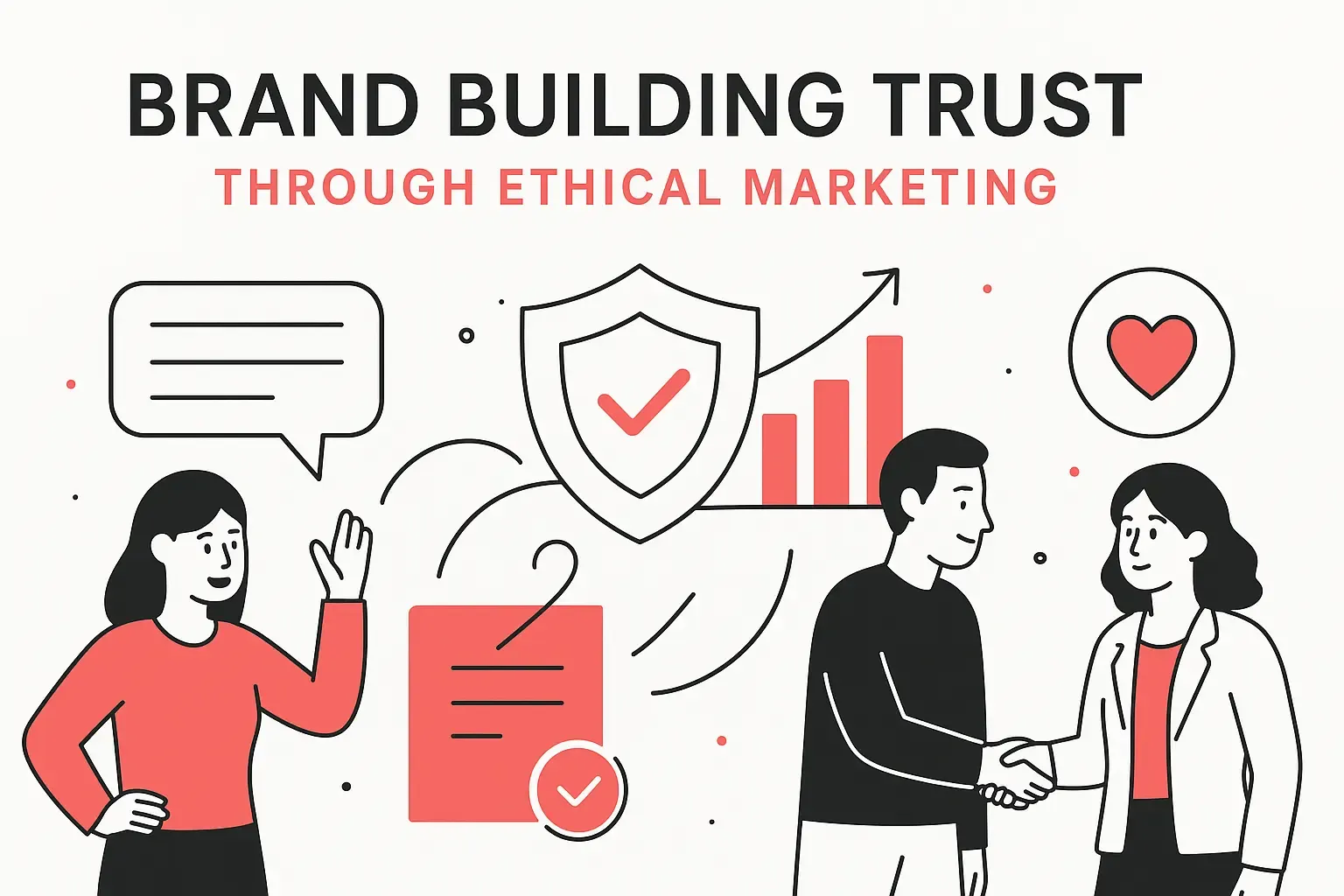
Ethical marketing is no longer a nice-to-have. Today’s consumers expect honesty, transparency, accountability, and responsible brand behavior. With constant access to information, buyers quickly identify brands that are authentic versus those simply performing for attention. As a result, ethical marketing has become one of the strongest drivers of long-term brand equity.
When businesses operate with integrity and communicate with honesty, people notice. Trust grows. Loyalty strengthens. Positive word-of-mouth spreads. And over time, these behaviors compound into lasting brand value that competitors struggle to replicate.
This guide explores how ethical marketing supports sustainable growth, elevates brand reputation, and helps businesses build a long-term advantage in an increasingly competitive digital world.
The Meaning of Ethical Marketing Today
Ethical marketing goes beyond following rules. It’s about aligning your messaging, actions, and customer experience with values such as honesty, fairness, transparency, and respect. Ethical marketing emphasizes clear communication, responsible business practices, and respect for customer privacy and autonomy.
Modern ethical marketing includes:
- truthful claims
- transparent product information
- respecting user data
- inclusive and accessible communication
- avoiding manipulation or pressure tactics
- showcasing real results instead of exaggeration
- sustainable and socially responsible practices
Consumers today want brands that match their values. Ethical marketing ensures your brand is built on authenticity instead of shortcuts.
Why Ethical Marketing Is a Long-Term Brand Strategy
Short-term marketing can generate quick results, but long-term growth requires relationships. Ethical marketing builds brand equity by shaping how customers feel, think, and talk about your brand.
Here’s why it works:
Consumers reward trust with loyalty
People are more likely to buy again from brands that communicate honestly, provide clear value, and treat customers fairly.
Ethical brands reduce customer churn
When brands avoid misleading claims and hidden terms, customers feel safer and remain loyal for the long run.
Positive reputation drives organic growth
Trustworthy brands benefit from word-of-mouth, user-generated content, and willingly shared recommendations.
Ethical brands stand out in saturated markets
With thousands of competitors offering similar services, ethics become a key differentiator.
Ethical marketing is ultimately a long-term investment. It builds credibility that cannot be purchased or manipulated with temporary campaigns.
The Role of Transparency in Building Brand Equity
Transparency is a cornerstone of ethical marketing. When brands are open about their practices, pricing, policies, and intentions, customers feel respected and valued.
Ways to practice transparency:
- clearly communicate product benefits and limitations
- share how services work
- be honest about pricing and fees
- explain data usage clearly
- display authentic reviews
- showcase customer feedback, including constructive criticism
Transparency removes confusion and uncertainty. When customers understand what they are getting, they trust the brand more. The more predictable the experience, the stronger the relationship becomes.
Ethical Storytelling: Sharing Real Narratives That Matter
Storytelling drives emotional connections, but ethical storytelling means sharing true, meaningful stories rather than fabricated ones.
Ethical storytelling includes:
- real customer experiences
- honest behind-the-scenes content
- showcasing actual processes
- featuring teams and their real contributions
- avoiding over-editing or distortion
When you share stories that reflect your brand authentically, customers relate to you on a deeper level. This emotional connection strengthens brand equity because people remember how a brand made them feel.
Authentic Brand Values as a Competitive Advantage
Brand values used to be just words on a website. Today, customers look for brands that live their values consistently.
Strong ethical brand values:
- guide business decisions
- attract the right audience
- build customer loyalty
- differentiate you from competitors
- support long-term brand recognition
Whether your values are sustainability, fair pricing, customer empowerment, or transparency, the key is consistency. Values that reflect in real actions help build brand equity faster than any paid campaign.
How Ethical Marketing Improves Customer Loyalty
Loyalty grows when customers trust a brand and feel it respects them. Ethical marketing fosters this trust naturally.
Ethical practices that improve loyalty:
- fast issue resolution
- honest product descriptions
- clear return policies
- respectful communication
- avoiding aggressive or manipulative selling
- protecting user data
When customers trust that a brand has their best interest in mind, they willingly stay longer and spend more.
Avoiding Manipulative Tactics in Digital Marketing
Manipulation harms brand equity. Ethical marketing avoids anything that pressures, deceives, or misleads customers.
Harmful tactics to avoid:
- false urgency
- hidden fees
- misleading claims
- exaggerated benefits
- fake countdown timers
- clickbait
Removing manipulative tactics increases trust and attracts more qualified customers. Ethical marketing yields better long-term ROI because it builds credibility instead of quick wins.
Data Ethics: Using Customer Information Responsibly
Data is a powerful tool, but misusing it destroys trust instantly. Ethical marketing requires ensuring that data is collected, stored, and used responsibly.
Ethical data practices include:
- asking consent
- offering easy opt-outs
- explaining what data is collected and why
- protecting customer privacy
- not selling user information
- limiting intrusive tracking
Brands that prioritize data ethics are perceived as more trustworthy, improving brand equity and customer satisfaction.
Ethical Content Marketing That Educates Instead of Manipulates
Content marketing performs best when it educates, supports, and empowers users. Ethical content avoids exaggeration and focuses on clarity and helpfulness.
Good ethical content:
- provides truthful information
- answers real user questions
- offers actionable value
- avoids unnecessary complexity
- respects user intent
Content that helps people builds authority and long-term trust, directly contributing to brand equity.
How Ethical Marketing Impacts SEO and AEO
Ethical marketing indirectly strengthens SEO performance. Search engines reward brands that offer high-quality, trustworthy content and good user experience.
Ethics support SEO by:
- reducing bounce rates
- increasing user trust and engagement
- improving content quality
- generating organic backlinks
- encouraging authentic reviews
- improving click-through rates
AEO (Answer Engine Optimization) also rewards clarity, accuracy, and helpfulness. Ethical content aligns naturally with these criteria.
Sustainability and Social Responsibility as Brand Builders
Modern consumers prefer brands that care about more than profit. Ethical marketing often includes showing commitment to sustainability or social responsibility.
Examples include:
- eco-friendly packaging
- transparent manufacturing
- fair labor practices
- community-focused initiatives
Socially responsible brands create emotional loyalty. This strengthens brand equity and positions them as leaders.
How Ethical Marketing Strengthens Brand Reputation
Brand reputation is one of your most valuable assets. Ethical marketing protects and enhances it over time.
Benefits of ethical reputation:
- higher trust
- stronger customer relationships
- reduced PR risks
- greater brand resilience
- better long-term ROI
Customers are quicker to forgive honest brands when mistakes happen. Ethical branding acts as a shield in difficult moments.
Turning Values Into Customer Experiences
Ethical marketing becomes meaningful when values influence actions. Every interaction should reflect what you promise.
Ways to bring ethics into experiences:
- friendly support
- transparent communication
- helpful content
- respectful tone
- consistent honesty
Ethical marketing is most powerful when customers feel it in every step of their journey.
Conclusion
Ethical marketing is not about being perfect. It’s about being honest, transparent, and respectful in every action. When brands prioritize ethical behavior, they build trust that compounds over time. Trust leads to loyalty, loyalty leads to advocacy, and advocacy strengthens brand equity for the long run.
To create ethical, high-performing digital experiences, explore:
These services help brands communicate authentically, build trust, and grow sustainably in competitive markets.



Ready to Elevate Your Brand?
Start Your Project Today