December 2, 2025
Top Free Digital Marketing Tools Every Business Should Use
Milaaj Editorial / Research Insights
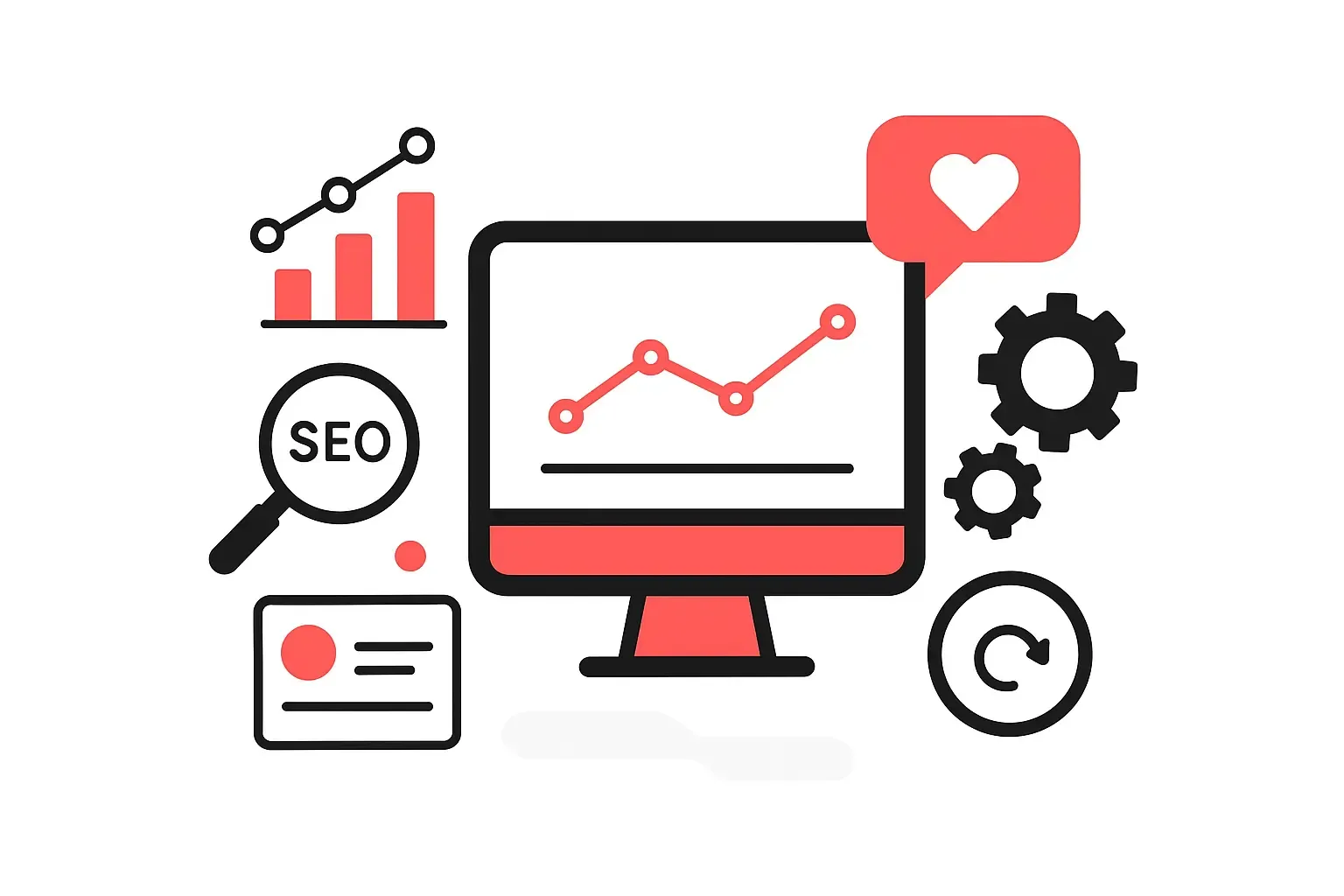
The digital marketing landscape has never been more competitive. Whether you're running a startup, a small business, or scaling a growing brand, the tools you choose directly influence your visibility, conversions, and long-term growth. Fortunately, not every effective marketing tool requires a paid subscription. Some of the most powerful resources available today have free versions that offer everything businesses need to strengthen their online presence.
In this guide, we break down the top free digital marketing tools every business should use—covering SEO, analytics, social media, content creation, automation, and more. These tools empower teams to optimize performance, understand customers better, and build stronger digital ecosystems.
Let’s dive in.
1. Google Analytics — Understand Your Audience Deeply
If you’re not using Google Analytics, you’re running campaigns blind. It provides real-time data about:
- Where your visitors come from
- Which content performs best
- User behavior and path flow
- Conversion tracking
- Device performance
- Engagement patterns
For businesses that want to make informed decisions, this tool is indispensable. Pairing analytics insights with a strong digital marketing strategy helps you refine your funnel and improve content performance using real data, not assumptions.
2. Google Search Console — Essential for SEO Health
Search Console is a foundational tool for maintaining a healthy and growing SEO presence. It helps you:
- Track keyword rankings
- Fix indexing errors
- Improve mobile usability
- Monitor impressions and clicks
- Identify technical SEO issues
Businesses building long-term search visibility can combine this with professional search engine optimization practices to solve deeper visibility issues and improve ranking consistency.
3. Canva — Free Design Power for Every Business
Canva has become a universal design tool. Its free version includes:
- Thousands of templates
- Drag-and-drop design tools
- Social media post creators
- Brand kits (limited in free version)
- Video and animation tools
It’s ideal for teams that need quick, clean visuals without depending on a full-time designer.
For brands aiming to maintain consistent aesthetics, pairing Canva designs with strong brand identity development ensures every piece of content supports recognition and trust.
4. Meta Business Suite — Streamline Social Media Management
Managing social media manually is time-consuming. Meta Business Suite streamlines:
- Post scheduling for Facebook & Instagram
- Inbox management
- Insights and analytics
- Audience engagement tracking
- Ad previews
When combined with strategic social media marketing, this tool helps brands maintain consistent activity and measure what content actually performs.
5. Buffer — Multi-Platform Social Scheduling
While Meta Business Suite is excellent for Meta platforms, Buffer extends scheduling across:
- LinkedIn
- Twitter/X
- Pinterest
- Instagram
- Facebook
Its free plan allows up to 10 scheduled posts at a time—perfect for small teams or businesses starting their content calendar journey.
If your brand is focused on storytelling and visual identity, integrating this with social media branding helps maintain recognizable and cohesive layouts across platforms.
6. Ubersuggest — Free Keyword & SEO Research
Ubersuggest (free version) provides:
- Keyword ideas
- Content suggestions
- SEO audit metrics
- Domain overview
- Competitive analysis
While limited in free usage, it’s ideal for small businesses just starting SEO. As brands evolve, combining the insights from Ubersuggest with advanced SEO strategies helps them scale into more competitive search spaces.
7. Google Keyword Planner — Trusted Keyword Data
Although part of Google Ads, Keyword Planner is free to use and provides accurate keyword metrics such as:
- Search volume
- Competition level
- Bid estimates
- Seasonal trends
It’s an extremely reliable tool when building content strategies or exploring new business opportunities.
8. Trello — Organize Your Marketing Workflow
For marketing teams, organization is everything. Trello’s free plan includes:
- Boards
- Lists
- Cards
- Checklists
- Automations (limited)
It’s perfect for managing campaigns, editorial calendars, and team tasks.
This becomes even more powerful when paired with structured web development and digital project planning for website updates, landing pages, and system enhancements.
9. Mailchimp — Free Email Marketing Automation
Mailchimp’s free tier lets you:
- Build landing pages
- Create email campaigns
- Automate basic workflows
- Access simple analytics
- Manage up to 500 contacts
For businesses that want to nurture their audience without big investment, it’s one of the best starting points.
Pairing this with a strong paid media campaigns approach helps turn leads into long-term customers.
10. Hotjar — Understand How Users Experience Your Website
Hotjar provides heatmaps, scroll maps, and session recordings that help you understand:
- What users click
- Where they get stuck
- Which sections they ignore
- How they interact on mobile
When combined with expertise in UI/UX design, it becomes an invaluable tool for improving conversions and user satisfaction.
11. Google PageSpeed Insights — Improve Your Website Performance
Fast websites win. PageSpeed Insights measures:
- Speed metrics
- Core Web Vitals
- Performance improvements
- Mobile responsiveness
Businesses aiming to boost conversions can also improve performance with expert custom web development, ensuring pages load quickly and interact smoothly across devices.
12. AnswerThePublic — Find Real User Questions
For content creators, this tool provides:
- Actual user queries
- Trending search questions
- Visual keyword clusters
- Topic discovery
These insights help you build content that satisfies real user intent—ideal for blogs, FAQ pages, and landing pages.
Final Thoughts
Digital marketing doesn’t have to be expensive to be effective. The tools above give businesses everything they need to optimize performance, understand audiences, and grow intelligently. Each tool solves a specific challenge—from SEO to analytics, design to automation—and together they form a powerful foundation for long-term success.
As brands expand and digital requirements become more sophisticated, teams often need strategic support to scale effectively. This is where partners like Milaaj BrandSet bring value—combining data-driven strategy, modern digital solutions, and a holistic approach to help businesses build strong, high-performing online ecosystems.
FAQs
1. Are free digital marketing tools enough for small businesses?
Yes. Many small businesses can manage their entire digital strategy through free tools before upgrading to paid solutions as they grow.
2. What is the best free tool for SEO?
Google Search Console and Google Keyword Planner are the most accurate and effective starting points.
3. Do free tools limit marketing performance?
Not always. For early-stage brands, free tools often provide more than enough functionality.
4. Which free tools should I start with first?
Start with Google Analytics, Search Console, Canva, and Meta Business Suite. Then expand to others as your needs grow.
5. Can these tools integrate with professional digital services?
Absolutely. They complement deeper strategies, especially when paired with expert services in SEO, UI/UX design, and digital marketing.
Ready to Elevate Your Brand?
Start Your Project Today