October 17, 2025
How Google’s AI Updates Will Reshape Brand Visibility
Milaaj Editorial / Research Insights
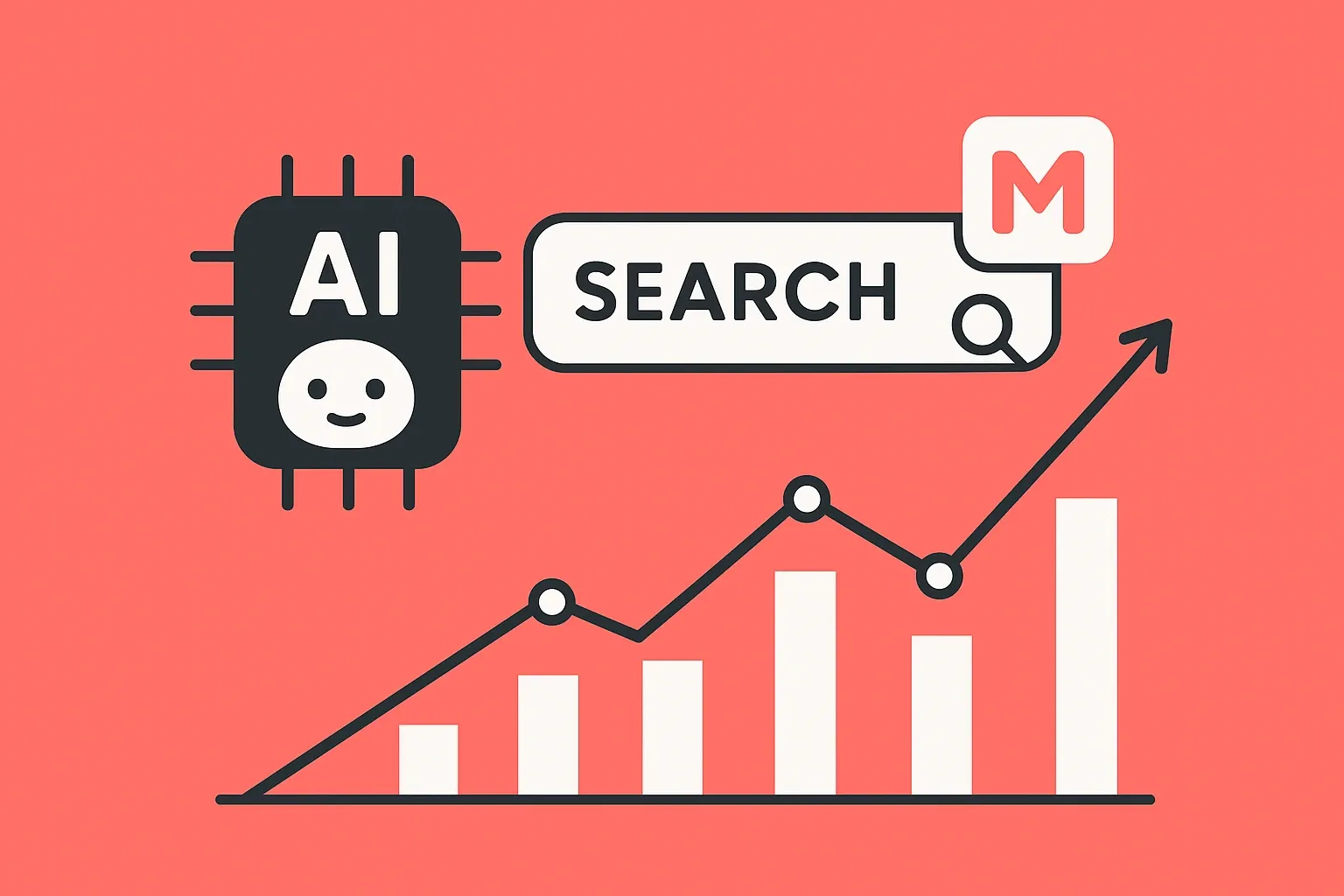
Google is no longer just a search engine—it’s becoming a predictive, conversational, and intelligent discovery system.
Every major algorithm update today is powered by artificial intelligence and machine learning, designed to understand user intent, context, and emotional tone.
The days of ranking solely through keyword density are over. Instead, Google’s AI SEO updates—like the Search Generative Experience (SGE) and RankBrain—prioritize user satisfaction, content value, and intent accuracy.
This shift means brand visibility is now a product of how well a brand’s digital presence aligns with what users truly want to find, not just what they type.
From Keywords to Intent: The Core Shift
One of the biggest changes in AI SEO is Google’s ability to interpret intent behind queries, not just match exact keywords.
If someone searches “best smartphone for low light,” Google’s AI can now distinguish whether they want product recommendations, photography comparisons, or buying guides.
For brands, this means:
- Content must solve problems, not just include keywords.
- SEO success relies on contextual depth and user engagement metrics (CTR, dwell time, bounce rate).
- AI-driven ranking systems prioritize content that satisfies intent over technical keyword stuffing.
In essence, brands must write for humans first—and algorithms second.
How Google’s AI Understands Content
Google’s new AI systems use a combination of technologies to analyze, rank, and surface content:
1. RankBrain
A core AI system that interprets ambiguous queries using machine learning. It identifies connections between phrases, topics, and user behaviors.
2. BERT and MUM
These models understand natural language and multimodal data—images, videos, and voice inputs.
This means your content is evaluated not only by keywords but by how semantically related and contextually rich it is.
3. Search Generative Experience (SGE)
SGE integrates AI-generated summaries directly in search results, often answering queries before users click.
Brands now compete for visibility inside these AI-generated answers, not just on page one of traditional SERPs.
What This Means for Brand Visibility
AI SEO updates are reshaping how visibility is defined.
Instead of ranking pages, Google’s AI ranks trust, authority, and usefulness.
Brands that thrive will:
- Publish E-E-A-T-driven content (Experience, Expertise, Authoritativeness, Trustworthiness).
- Focus on brand authenticity and storytelling to build user confidence.
- Optimize for AI summaries and featured snippets where voice assistants pull answers directly.
Visibility isn’t about volume—it’s about credibility.
User Experience as an SEO Factor
AI now evaluates the overall experience users have on your website: page speed, readability, mobile friendliness, and engagement all contribute to rankings.
Metrics like:
- Core Web Vitals
- User interaction quality
- Session duration
are becoming part of how Google’s AI measures satisfaction.
If your brand delivers value seamlessly—fast-loading pages, clear navigation, and helpful insights—AI will naturally push your content higher.
The Role of Voice and Visual Search
As Google integrates AI into voice and visual discovery tools, SEO is expanding beyond text.
- Voice Search: Users now ask conversational questions like “What’s the best eco-friendly laptop under $800?” Optimizing content with natural language and FAQ-rich structures ensures visibility in spoken queries.
- Visual Search: Through tools like Google Lens, AI interprets images to find related products or content. Brands using alt-text optimization, structured data, and high-quality visuals will rank better.
The key is to make your content machine-readable yet human-centered.
AI and the New Content Hierarchy
Google’s AI updates have created a new hierarchy of content relevance:
- Helpful content — Answers the query fully.
- Contextual content — Ties into related topics and search journeys.
- Interactive content — Uses multimedia to engage users.
A well-rounded content strategy should include:
- Long-form guides for depth and authority.
- Micro-content (shorts, snippets, reels) for AI-driven discovery.
- Schema-marked FAQs for voice search indexing.
By aligning content formats with AI understanding, brands ensure that every type of content boosts visibility.
Predictive Search and Behavior Modeling
With AI, Google can anticipate what users will search next.
This predictive capability means your brand’s visibility doesn’t end at one query—it continues across the user’s journey.
If a user searches for “best travel cameras,” Google might later recommend “editing software” or “camera accessories.”
If your content connects those dots naturally, AI associates your brand with authority in that ecosystem.
This approach transforms SEO from reactive to proactive visibility.
The Impact of AI on Backlinks and Authority
Traditional backlinks still matter, but AI now evaluates why a site links to you—not just how many do.
- Contextual relevance outweighs volume.
- Anchor text variety signals natural growth.
- Link intent (educational, supportive, or transactional) matters for trust signals.
Brands should focus on earning editorial links through thought leadership, data-backed content, and digital PR rather than aggressive link-building.
Adapting to AI SEO: Brand Strategy Checklist
To stay ahead of Google’s AI evolution, brands need a strategy that aligns technical SEO with emotional engagement.
✅ 1. Optimize for User Intent
Map every keyword to a user’s stage in the journey—awareness, consideration, or decision. Write for their why, not just their what.
✅ 2. Build Semantic Depth
Use topic clusters and internal linking to connect related ideas. This helps AI understand your expertise landscape.
✅ 3. Strengthen E-E-A-T Signals
Feature expert authors, cite credible sources, and maintain consistent brand identity across web platforms.
✅ 4. Embrace AI Tools
Use AI analytics and content optimization platforms (like SurferSEO or Clearscope) to match Google’s comprehension models.
✅ 5. Invest in UX and Accessibility
Ensure your website performs flawlessly across devices. Accessibility, speed, and readability are now SEO essentials.
The Future: SEO as Brand Experience
As Google’s AI gets smarter, SEO and branding are merging into one discipline.
Visibility won’t be about gaming algorithms but about delivering holistic, memorable experiences that AI recognizes as valuable.
When your brand consistently provides clarity, empathy, and authority—Google’s AI will amplify it naturally.
The future of visibility isn’t about visibility alone—it’s about meaningful presence.
Conclusion
Google’s AI SEO updates are rewriting the rules of visibility—from keyword-first to intent-first, from ranking pages to ranking experiences.
Brands that evolve with this shift will not only maintain visibility but dominate their niche through trust and adaptability.
To future-proof your brand for this AI-driven landscape, explore:
Milaaj BrandSet’s Search Engine Optimization and
Milaaj BrandSet’s Digital Marketing Solutions.
These services empower businesses to build adaptive, data-driven visibility strategies that align with AI evolution, enhance engagement, and boost brand authority.


Ready to Elevate Your Brand?
Start Your Project Today