January 10, 2026
Internal Linking Strategies That Boost Your Page Rankings Overnight
Milaaj Editorial / Research Insights
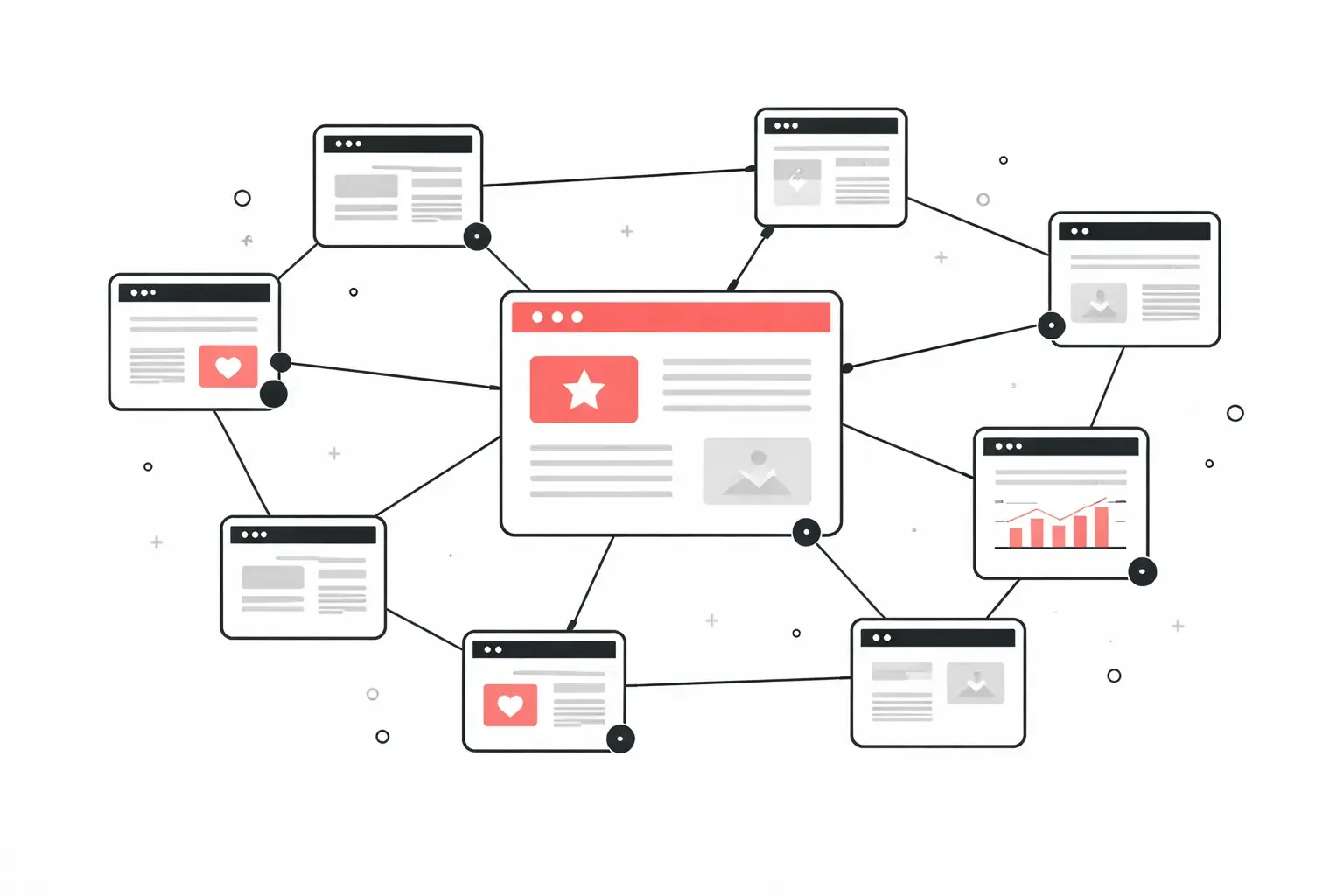
Internal linking is one of the most powerful yet underused SEO techniques. While many brands focus on backlinks and keywords, they overlook how pages on their own website connect with each other.
When internal links are structured correctly, they help search engines understand content relationships, distribute authority, and guide users to exactly what they need. This improves visibility, engagement, and rankings faster than most people expect.
What Internal Linking Really Means
Internal links are links that connect one page on a website to another page on the same domain.
They help:
- Search engines crawl your site
- Users navigate content
- Important pages receive more authority
Every internal link acts as a signal of relevance and priority.
Why Internal Linking Influences Rankings
Search engines use internal links to determine:
- Page importance
- Content relationships
- Topic clusters
When multiple pages point to one important page, it signals that the page is valuable. This boosts its chances of ranking higher.
How Link Equity Flows Through Your Website
Every page has a certain amount of authority.
Internal links allow that authority to flow from stronger pages to weaker ones. Without proper links, valuable pages remain hidden from both users and search engines.
Strategic linking ensures your most important content receives the visibility it deserves.
Creating Topic Clusters That Search Engines Love
Search engines prefer websites that demonstrate topical expertise.
Topic clusters are created when:
- One main pillar page covers a broad topic
- Supporting articles cover related subtopics
- Internal links connect them logically
This structure improves indexing and ranking across the entire topic.
The Role of Anchor Text in Internal Linking
Anchor text tells search engines what the linked page is about.
Effective anchor text:
- Is descriptive
- Uses relevant keywords naturally
- Matches user intent
Avoid generic phrases like click here. Instead, use meaningful, keyword-rich phrases.
Using Internal Links to Guide User Journeys
Internal links are not just for SEO.
They also help users:
- Discover related content
- Stay longer on your site
- Move naturally toward conversion
A well-placed internal link can turn a casual reader into a customer.
Linking From High Authority Pages
Pages that already rank well carry more weight.
Linking from:
- High traffic blogs
- Popular guides
- Core service pages
Passes more authority to the pages they link to.
This accelerates ranking improvements.
Updating Old Content With New Links
Older pages often hold untapped SEO value.
By adding links from older content to newer pages, you:
- Recycle existing authority
- Improve crawl depth
- Boost new page visibility
This is one of the fastest internal linking wins.
Avoiding Overlinking and Spam Signals
Too many links on a page can dilute value.
Keep links:
- Relevant
- Natural
- Contextual
Every link should help the user and support content flow.
Using Internal Links for Conversion Optimization
Internal links can guide users toward:
- Service pages
- Lead forms
- Product pages
Strategic placement in high-engagement content increases conversion opportunities without aggressive sales tactics.
Internal Linking and AI Search Engines
AI-powered search tools analyze content relationships.
Well-structured internal links help:
- Establish topical authority
- Improve content discoverability
- Strengthen semantic relevance
This improves visibility in AI-generated search results.
How Often You Should Audit Internal Links
Websites evolve constantly.
A regular audit helps:
- Fix broken links
- Identify orphan pages
- Improve outdated linking structures
Healthy internal links keep SEO strong over time.
Why Internal Linking Works Faster Than Many SEO Tactics
Unlike backlinks, internal links are fully under your control.
You do not need to wait for approval or outreach. Once implemented, search engines notice changes quickly.
This is why smart internal linking can lead to rapid ranking improvements.
Conclusion
Internal linking is one of the most effective ways to boost rankings, improve user experience, and strengthen SEO performance.
By connecting content strategically, websites become easier to crawl, more relevant to search engines, and more engaging for users. Building strong content structures supported by a clear SEO strategy and a well-planned content marketing approach ensures every page contributes to growth.
When internal links work together, your entire site becomes stronger.
Frequently Asked Questions
What is internal linking in SEO
Internal linking is the practice of connecting pages within the same website to improve navigation and search visibility.
How many internal links should a page have
There is no fixed number. Links should be relevant and useful to the reader.
Does internal linking improve rankings
Yes. It helps search engines understand content hierarchy and distribute page authority.
Can internal links replace backlinks
No. Both are important, but internal links strengthen how your site uses the authority it earns.
How often should I update internal links
Every time new content is added or old content is refreshed.
Ready to Elevate Your Brand?
Start Your Project Today