December 17, 2025
Local SEO Mastery: The Future of Ranking in Hyperlocal Markets
Milaaj Editorial / Research Insights
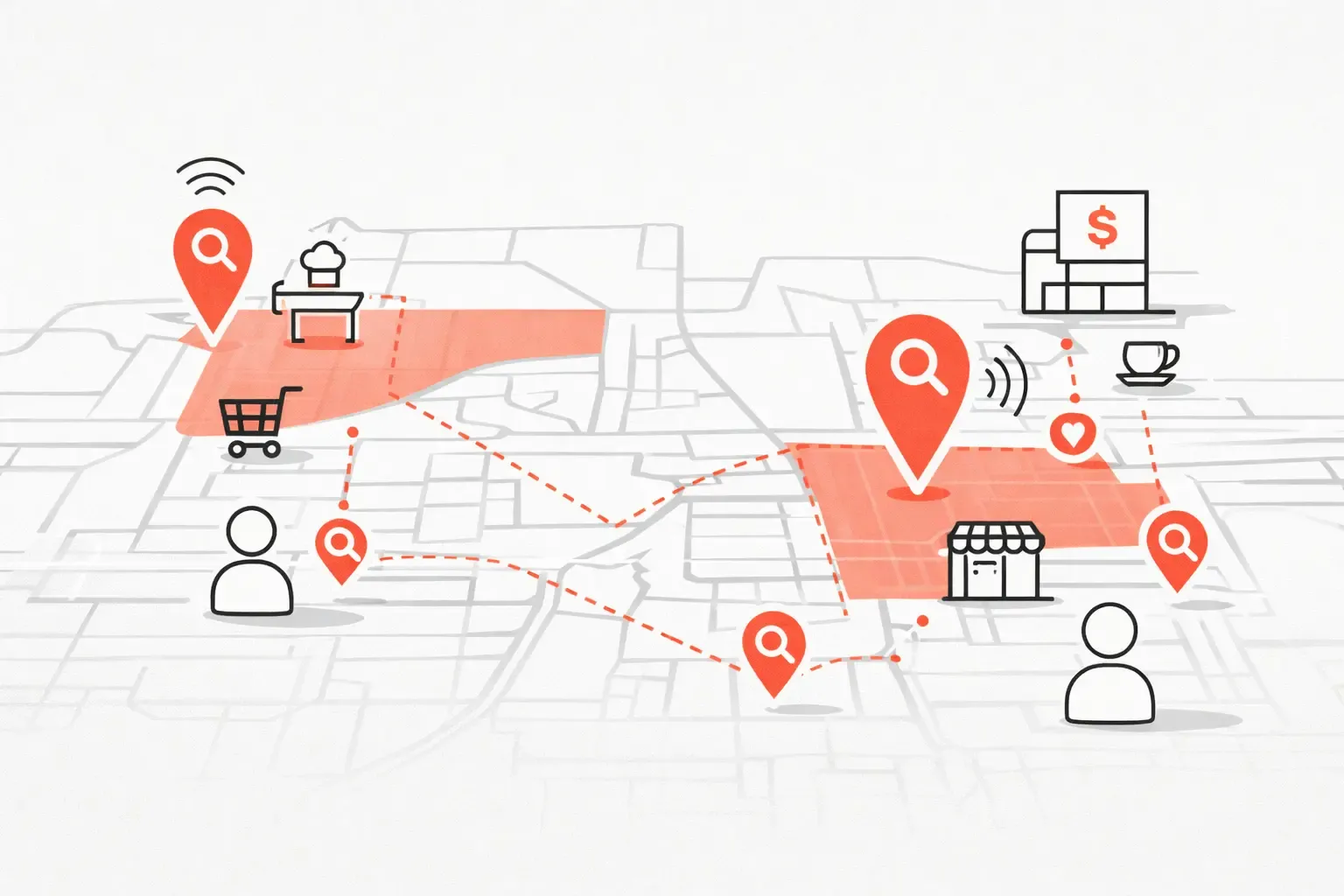
Local search has changed dramatically. Today, people are not just searching for services or products. They are searching for the closest, most relevant, and most trustworthy option available right now.
Search queries like “near me,” neighborhood-based searches, and location-specific intent have become a dominant force in how customers discover businesses. This shift has made hyperlocal SEO one of the most powerful drivers of real-world conversions.
Mastering local SEO is no longer about listing a business online. It is about showing up at the exact moment a customer is ready to act.
What Is Hyperlocal SEO
Hyperlocal SEO focuses on ranking for extremely specific geographic areas. Instead of targeting an entire city or region, businesses optimize for neighborhoods, streets, landmarks, and micro-communities.
Examples include:
- Service searches tied to specific areas
- Location-based mobile searches
- Map-driven discovery
- Voice searches with local intent
Hyperlocal SEO connects digital visibility with physical presence.
Why Hyperlocal Search Is Growing
Mobile-First Search Behavior
Most local searches happen on mobile devices. Users expect instant, accurate results based on their current location.
Search engines now prioritize proximity and relevance over brand size.
Rise of “Near Me” and Intent-Based Queries
People no longer browse. They act. Searches often signal immediate intent, such as visiting a store, calling a business, or booking a service.
Hyperlocal SEO captures these high-intent moments.
Trust in Local Results
Users trust businesses that appear local, verified, and visible on maps. Reviews, ratings, and local relevance influence decisions more than traditional ads.
How Search Engines Rank Hyperlocal Results
Search engines evaluate three primary factors:
- Relevance
- Distance
- Prominence
Behavioral signals, user engagement, and local trust indicators now play a major role alongside traditional SEO factors.
Core Elements of Hyperlocal SEO Mastery
Google Business Profile Optimization
A fully optimized Google Business Profile is the foundation of local SEO. Accurate information, regular updates, images, and responses to reviews all contribute to stronger local visibility.
Consistency matters more than frequency.
Location-Specific Content
Hyperlocal SEO thrives on content that speaks directly to a specific area. This includes:
- Location landing pages
- Neighborhood-focused service pages
- Locally relevant blog content
- Community-driven topics
Content should feel natural, not forced.
Reviews and Reputation Signals
Customer reviews influence rankings and conversions. Search engines analyze review quality, frequency, and responses.
Engaging with reviews builds trust and sends positive behavioral signals.
Local Citations and Consistency
Business information must be consistent across directories, maps, and platforms. Inconsistent data confuses search engines and weakens rankings.
Accuracy builds authority.
Mobile Experience and UX
Hyperlocal searches often happen on the go. Pages must load fast, display clearly, and allow quick actions like calling or getting directions.
UX directly affects local ranking performance.
The Role of Behavioral Signals in Local SEO
Search engines observe how users interact with local listings:
- Clicks on directions
- Calls from search results
- Time spent on local pages
- Repeat visits
Positive behavior reinforces ranking strength.
Voice Search and Hyperlocal Discovery
Voice searches often carry strong local intent. Queries are conversational and specific.
Optimizing for natural language and local context improves visibility across voice-driven searches.
Hyperlocal SEO and Conversion Strategy
Ranking locally is not just about visibility. It is about turning discovery into action.
Strong hyperlocal strategies:
- Reduce friction
- Provide instant answers
- Highlight trust signals
- Make contact effortless
Local SEO success is measured by real-world outcomes.
Common Hyperlocal SEO Mistakes
- Targeting areas without relevance
- Keyword stuffing location names
- Ignoring reviews
- Poor mobile experience
- Inconsistent business information
- Generic content with no local context
Avoiding these mistakes protects long-term performance.
The Future of Hyperlocal SEO
Hyperlocal SEO will continue to evolve toward personalization and intent-based discovery. Search engines will rely even more on behavioral signals and real-time relevance.
Brands that win locally will:
- Understand their communities
- Provide clear, helpful experiences
- Build trust through consistency
- Align digital presence with physical reality
Local visibility will increasingly determine competitive advantage.
Conclusion
Hyperlocal SEO is shaping the future of local visibility. It rewards relevance, trust, and real engagement over size and spending power.
Businesses that invest in thoughtful local SEO and strong digital experiences can dominate their immediate markets and attract high-intent customers consistently.
If you are refining your local presence, professional support in local-focused digital marketing and SEO-optimized website development can strengthen your visibility where it matters most. Learn more here:
Hyperlocal mastery is not about chasing algorithms. It is about serving communities better.
Frequently Asked Questions
What is hyperlocal SEO
Hyperlocal SEO focuses on optimizing a business for very specific geographic areas, such as neighborhoods or nearby landmarks, to attract nearby customers.
Why is hyperlocal SEO important
It captures high-intent searches from users ready to take action, such as visiting a store or booking a service.
How does hyperlocal SEO differ from local SEO
Local SEO targets broader areas like cities, while hyperlocal SEO targets smaller zones such as neighborhoods or streets.
Do small businesses benefit from hyperlocal SEO
Yes. Hyperlocal SEO allows smaller businesses to compete effectively by focusing on relevance and proximity.
How long does hyperlocal SEO take to work
Results depend on competition and consistency, but improvements often appear as trust and engagement increase over time.
Is hyperlocal SEO suitable for service-based businesses
Absolutely. Service businesses often gain the most value from hyperlocal targeting.



Ready to Elevate Your Brand?
Start Your Project Today