November 27, 2025
Machine Learning Meets Emotion: The Future of Customer Insight
Milaaj Editorial / Research Insights
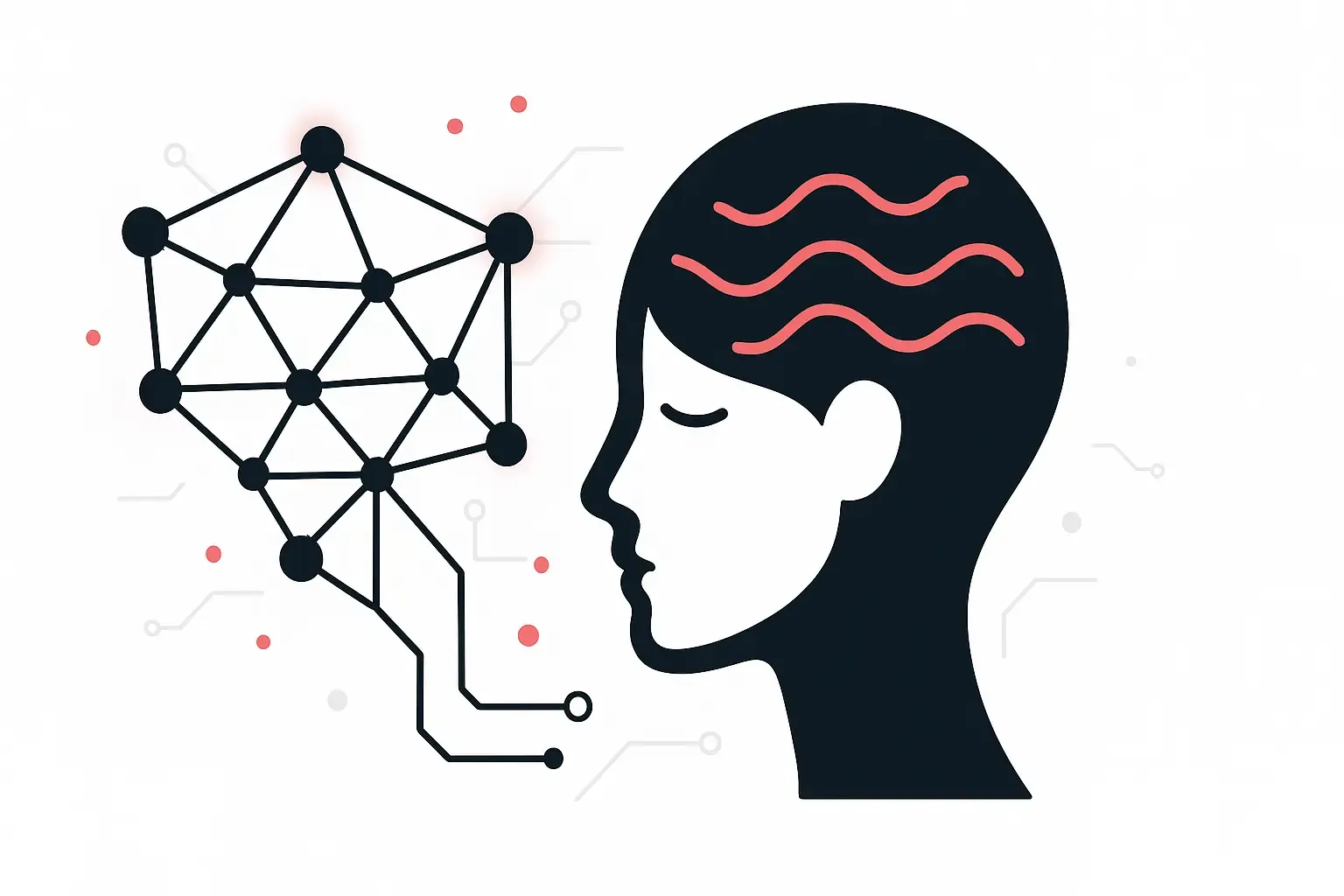
In today’s digital world, customer data isn’t just about numbers anymore — it’s about understanding feelings. With attention spans shrinking and competition intensifying, brands can no longer rely solely on traditional analytics. Instead, they are turning to Emotion AI, powered by advanced machine learning, to decode the emotional drivers behind customer decisions.
This next evolution of customer analytics is helping businesses understand why customers behave the way they do — not just what they do. From refining digital experiences to shaping brand messaging, emotional intelligence in AI is becoming a powerful force in crafting modern customer journeys.
Why Emotion Matters in Customer Insight
Every action a customer takes — clicking a product, abandoning a cart, engaging with content — is influenced by underlying emotions. Fear, trust, excitement, frustration, curiosity… these are the hidden drivers of user behavior.
Brands that can read these emotional patterns have a significant edge:
- They predict customer needs faster
- They design more intuitive experiences
- They build deeper emotional connections
- They reduce friction and increase satisfaction
This is where machine learning meets emotion.
What Is Emotion AI?
Emotion AI (also known as affective computing) uses ML models to analyze:
- Facial expressions
- Voice tone
- Text sentiment
- Behavioral patterns
- Engagement metrics
By combining these signals, AI can determine emotional states such as joy, confusion, anger, confidence, or hesitation — with impressive accuracy.
How Machine Learning Understands Emotion
Machine learning uses large data sets to learn emotional cues, often through:
1. Natural Language Processing (NLP)
Interpreting emotional tone from:
- Customer reviews
- Chat conversations
- Comments
- Social messages
2. Computer Vision
Detecting micro-expressions and emotional cues from:
- Video calls
- Product testing sessions
- User reaction recordings
3. Voice Analysis
Recognizing enthusiasm, urgency, stress, or hesitation in customer support calls.
4. Behavioral Modeling
Analyzing:
- Scroll depth
- Click hesitation
- Speed of decision-making
- Drop-off timing
Combined, these models paint a full emotional map of customer reactions.
Real-World Applications of Emotion AI in Customer Insight
1. Smarter Digital Experiences
Brands can now understand when users feel confused or stuck on a website — leading to improved UX, clearer navigation, and reduced drop-offs.
2. Hyper-Personalized Marketing
Emotion-driven data allows:
- Ad creatives tailored to emotional triggers
- Personalized product recommendations
- Messaging that aligns with user sentiment
3. Better Customer Service
Emotion AI flags frustrated customers instantly, enabling agents — or chatbots — to respond with empathy and urgency.
4. Product Development Insights
By observing real emotional reactions, companies can optimize:
- Product features
- Interface design
- Packaging
- Content formats
5. Social Listening With Depth
Emotion AI helps brands track:
- How customers feel about new launches
- Emotional patterns within social hype
- Sentiments around competitors
Beyond sentiment analysis, this measures intensity, authenticity, and emotional trends.
Why Emotion-Based Insights Are More Powerful Than Traditional Analytics
Traditional analytics tell you:
- What users clicked
- Where they dropped off
- How long they stayed
Emotion-based insights tell you:
- Why they clicked
- Why they dropped off
- Why they stayed
This “why layer” drives:
- Better forecasting
- More accurate segmentation
- Powerful behavioral predictions
- Stronger customer loyalty
Emotion + machine learning is the new blueprint for customer understanding.
Ethical Considerations & Data Transparency
As emotion tracking grows, brands must be mindful of:
- User consent
- Transparent data collection
- Avoiding manipulative design
- Ensuring unbiased models
Ethical Emotion AI builds trust — the core of customer relationships.
The Future: Emotion-Responsive Experiences
In the next few years, expect experiences that adapt in real time based on user emotion:
- Websites that change layout when confusion is detected
- Ads that adjust tone depending on user sentiment
- Virtual assistants that sense stress and adjust responses
- Customer service bots that offer empathy-first communication
- Apps that detect frustration and simplify the flow
Machine learning is bringing brands closer to human-level emotional intelligence.
Final Thoughts
Emotion AI is redefining how brands understand their customers. When machine learning connects with human emotion, insights evolve from surface-level metrics to meaningful interpretations of why people behave the way they do. Businesses that embrace emotional intelligence in analytics will shape more intuitive, human-centered digital experiences.
As companies move toward this emotionally aware future, partners like Milaaj BrandSet help bridge the gap — combining data-driven strategy with modern digital solutions to build customer experiences that resonate on a deeper level.
FAQs
1. What is Emotion AI?
Emotion AI (affective computing) uses machine learning to understand human emotions from facial expressions, voice tone, text, and behavior.
2. How does Emotion AI benefit businesses?
It helps brands improve personalization, predict customer behavior, enhance UX, and build stronger emotional connections.
3. Is Emotion AI accurate?
Modern models trained on large datasets can detect emotions with high accuracy, though continuous improvement is ongoing.
4. Does Emotion AI replace traditional analytics?
No. It complements them by adding emotional context, giving brands deeper insight into user motivations.
5. Is emotion tracking ethical?
Yes — when done with transparency, user consent, and strong data privacy practices.



Ready to Elevate Your Brand?
Start Your Project Today