October 2, 2025
The Role of Micro-Influencers in Shaping Digital Branding
Milaaj Editorial / Research Insights
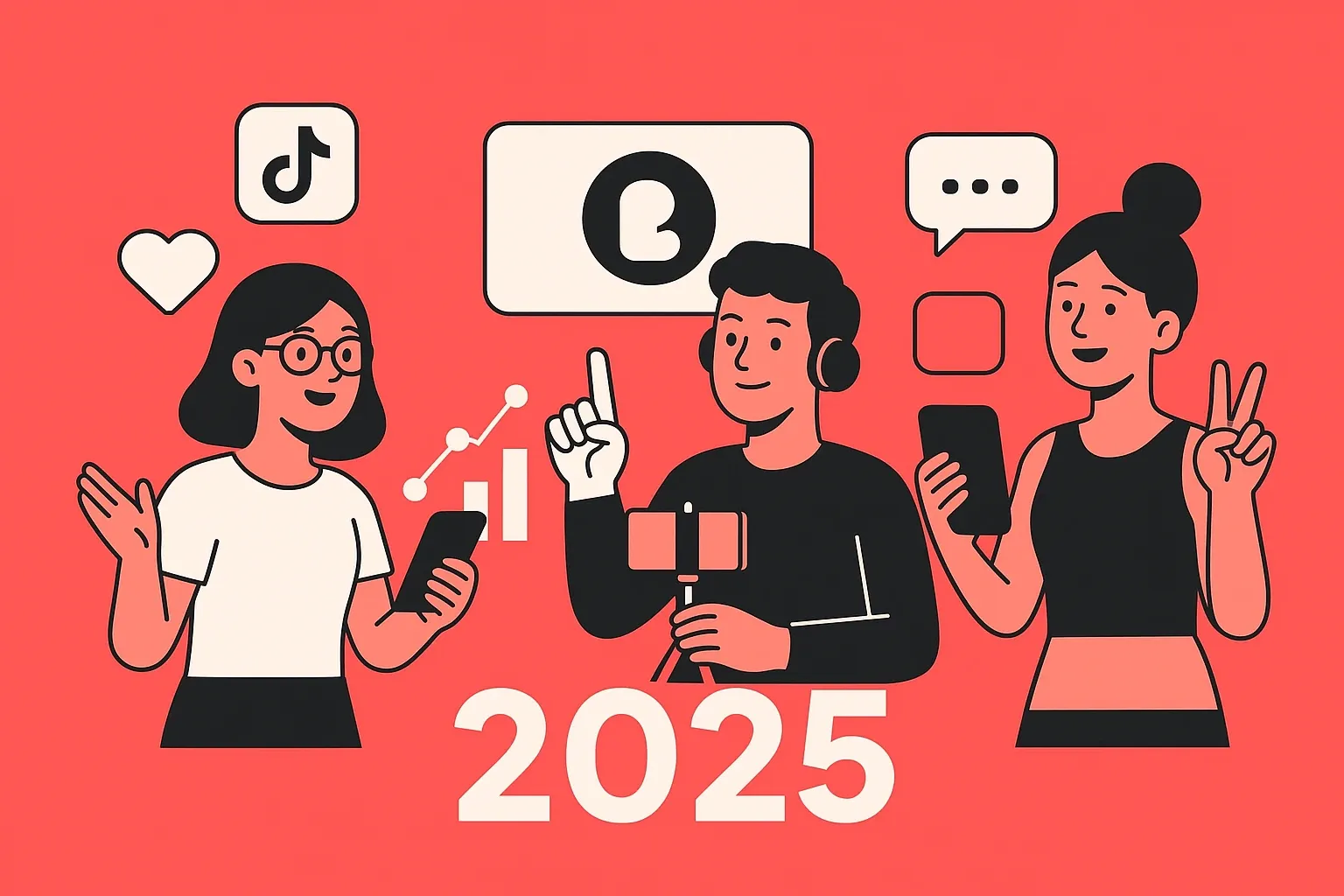
Over the last decade, influencer marketing has transformed from a niche tactic into a multi-billion-dollar industry. Big-name celebrities once dominated the space, but in 2025, a different kind of influencer is reshaping digital branding: the micro-influencer. These are creators with highly engaged audiences ranging from 1,000 to 100,000 followers, and they’re proving to be far more effective than many large-scale influencers.
For brands looking to build trust, authenticity, and meaningful engagement, micro-influencers have become a vital piece of the digital marketing puzzle. Let’s explore why these smaller creators now hold such a powerful role in shaping branding strategies.
What Are Micro-Influencers?
A micro-influencer is typically defined as someone with:
- Between 1,000 to 100,000 followers.
- A focus on a specific niche—be it fitness, beauty, tech, food, or lifestyle.
- Strong, genuine interactions with their followers.
Unlike macro-influencers and celebrities who appeal to the masses, micro-influencers thrive in cultivating communities where followers feel a personal connection. Their smaller scale allows for greater relatability, credibility, and authenticity.
Why Micro-Influencers Dominate in 2025
In 2025, the digital landscape values engagement and trust over raw follower count. Here’s why micro-influencers are dominating:
- Higher Engagement Rates – Studies show that micro-influencers often achieve 3–4x higher engagement than macro-influencers. Their communities actively comment, share, and interact.
- Stronger Trust with Audiences – Followers view micro-influencers as peers, not distant celebrities.
- Cost-Effective Partnerships – Working with multiple micro-influencers often provides better ROI than a single expensive celebrity endorsement.
- Better Conversions – Since micro-influencers recommend products they genuinely use, their audience is more likely to make purchases.
The Authenticity Factor
Consumers in 2025 are more skeptical than ever. They scroll past polished ads, but when a micro-influencer shares a real story or product experience, people pay attention.
- Authenticity builds trust.
- Trust translates to brand loyalty.
- Loyalty drives conversions.
This is why businesses invest in social media branding with influencers who embody authenticity, rather than chasing follower numbers alone.
How Micro-Influencers Shape Digital Branding
Micro-influencers influence branding in four key ways:
- Building Social Proof – They give emerging brands credibility through community-driven recommendations.
- Driving Niche Awareness – Instead of broadcasting to everyone, they reach targeted audiences who are most likely to convert.
- Enhancing Brand Storytelling – Influencers personalize a brand’s story and make it more relatable.
- Boosting Trust and Conversions – Their authenticity persuades audiences to take action—whether buying, subscribing, or engaging.
For businesses, blending influencer campaigns with social media marketing ensures that these stories reach wider yet highly relevant audiences.
Case Studies: Micro-Influencer Success Stories
- Local Fashion Label: Instead of hiring celebrities, a boutique fashion brand partnered with Instagram micro-influencers with 20k followers. Within three months, sales grew by 40%.
- Tech Startup: A new gadget company collaborated with YouTube reviewers under 100k subs. The honest, detailed reviews boosted credibility and led to strong pre-orders.
- Food Brand on TikTok: A snack company tapped into 50 micro-creators who made authentic “taste test” videos, sparking viral buzz and organic engagement.
These real-world examples prove that micro-influencers are powerful brand accelerators.
The Role of Platforms in Influencer Branding
The rise of short-form content platforms in 2025 has made micro-influencers more valuable than ever.
- TikTok & Instagram Reels: Reward creators who post authentic, engaging content.
- YouTube Shorts: Amplifies smaller voices with algorithm-driven discoverability.
- Niche Communities (Discord, Reddit, LinkedIn): Provide micro-influencers with credibility in professional or interest-based circles.
Social platforms increasingly prioritize micro-creators in their algorithms, creating organic opportunities for brands to connect.
Challenges in Micro-Influencer Partnerships
While the benefits are clear, brands must navigate challenges:
- Finding the Right Fit – Not all influencers align with your values or target audience.
- Measuring ROI – Engagement doesn’t always equal conversions. Clear KPIs are needed.
- Maintaining Authenticity – Over-commercialization can erode trust with the audience.
This is why agencies like Milaaj BrandSet help brands craft influencer strategies that balance creativity with performance.
Strategies for Businesses to Leverage Micro-Influencers
To maximize results, brands should:
- Amplify with Paid Media
Use paid media campaigns to push influencer-generated content to wider audiences. - Integrate with Social Media Marketing
Combine influencer efforts with social media marketing for consistent brand presence. - Prioritize Long-Term Partnerships
Ongoing collaborations feel more authentic than one-off posts. - Track Success Metrics
Look at engagement, conversions, and brand sentiment—not just likes.
Conclusion
In 2025, micro-influencers are not just part of digital marketing—they are shaping the very identity of digital branding. Their power lies in authenticity, niche reach, and trust-building.
For businesses, working with micro-influencers is no longer optional—it’s a strategic necessity. Brands that harness their influence can create loyal communities, boost conversions, and thrive in a competitive digital age.
👉 Want to build an authentic, influencer-driven brand? Partner with Milaaj BrandSet and let us help you craft campaigns that connect with real audiences.

Ready to Elevate Your Brand?
Start Your Project Today