October 31, 2025
Minimalist Branding in a Noisy World: The Power of Simplicity
Milaaj Editorial / Research Insights
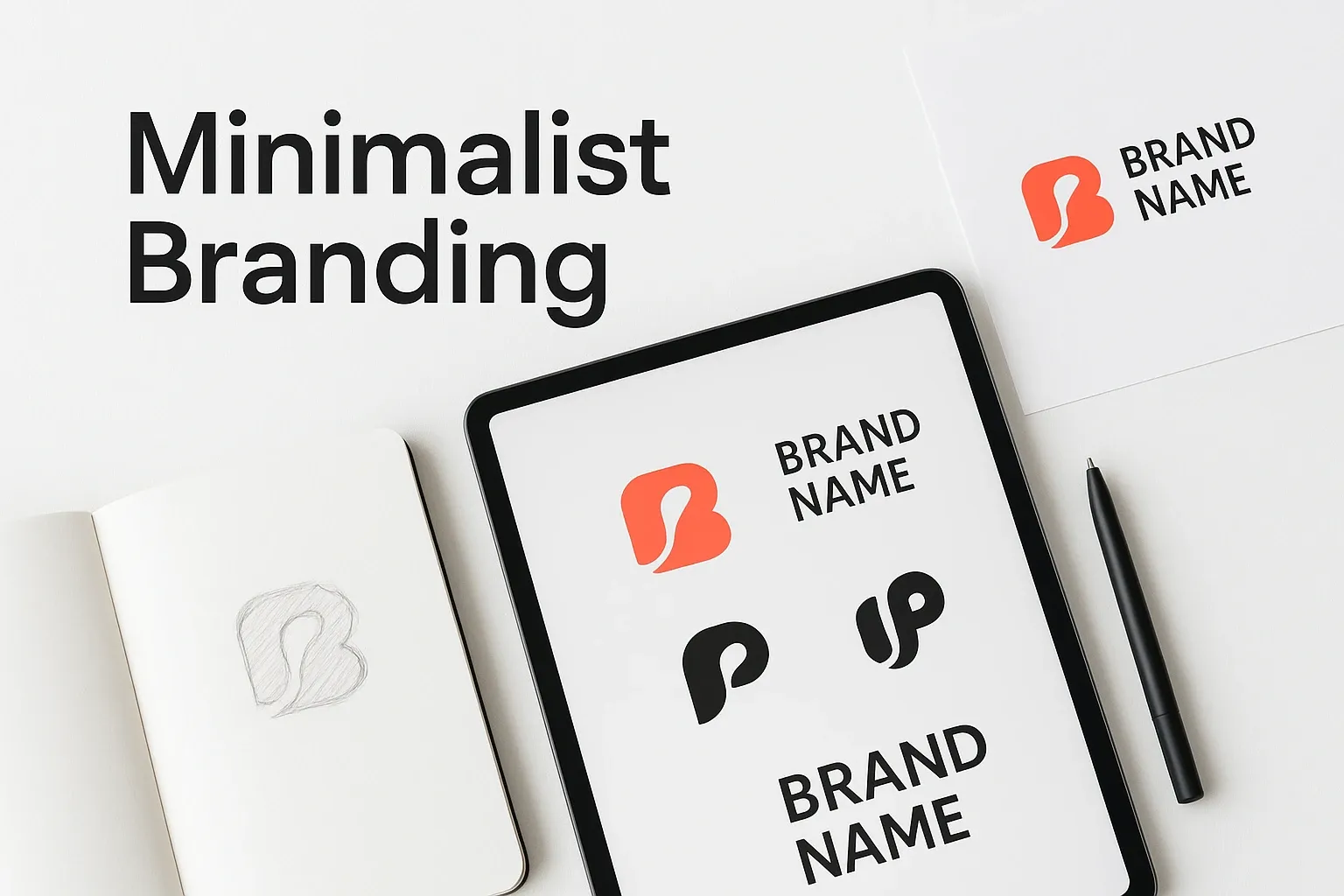
In a world overflowing with notifications, ads, and constant visual noise, simplicity has become the ultimate sophistication. Brands that once relied on flashy visuals and loud campaigns are now embracing minimalist branding — a strategy that values clarity, calmness, and confidence.
Minimalism in branding is more than just a design choice. It’s a mindset. It’s about creating an identity that speaks volumes through silence, communicates trust through clarity, and stands out by doing less but meaning more.
From Apple’s clean visuals to Nike’s single swoosh, the world’s most iconic brands have proven that simplicity sells.
What Is Minimalist Branding?
Minimalist branding is the art of removing the unnecessary and focusing on what truly matters — your message, your audience, and your purpose.
It embraces:
- Clean typography
- Ample white space
- Limited color palettes
- Functional layouts
The goal is to let your brand’s core identity shine without distraction. Minimalist branding avoids visual clutter and creates instant recognition by being consistent, clear, and emotionally resonant.
Why Minimalism Works in Modern Branding
1. Simplicity Builds Recognition
A simple logo or identity system is easier for the brain to process and remember. When customers can recall your brand in seconds, you’ve already won half the marketing battle.
2. Minimalism Creates Emotional Calm
People are overwhelmed by digital noise. Minimalist brands create emotional relief — they look clean, feel trustworthy, and reduce decision fatigue.
3. Timelessness and Flexibility
Minimalist brands rarely go out of style. Their designs are adaptable across platforms — from websites and packaging to mobile apps and billboards.
4. Aligns with Modern Consumer Psychology
Consumers increasingly associate simplicity with authenticity and transparency. A clutter-free brand feels honest and confident in its value.
The Science Behind Simplicity
Research in cognitive psychology shows that the human brain prefers simplicity. The fewer elements a design has, the faster our brains can process it — a principle known as processing fluency.
This explains why minimalist branding increases brand recall and trust. A clean visual identity requires less mental effort, which subconsciously makes the brand feel more reliable and professional.
Core Elements of Minimalist Branding
1. Typography
Minimalist branding relies on clear, readable fonts that communicate personality without distraction. Sans-serif fonts like Helvetica or Montserrat are popular choices.
2. Color Palette
Less is more. Successful minimalist brands use one or two main colors — often neutrals or pastels — combined with plenty of white space for balance.
3. Logo Design
A minimalist logo is simple, iconic, and scalable. It must work in both large formats (like billboards) and small ones (like mobile screens).
4. Space and Composition
Whitespace isn’t empty; it’s intentional. It gives design elements room to breathe and helps users focus on the brand’s message.
5. Consistency
Minimalism thrives on repetition and alignment. Every touchpoint — from website layout to packaging — must feel cohesive.
Minimalism in Digital Branding
Minimalism shines brightest in digital spaces. In web design, a clean layout improves user experience, site speed, and readability — all critical for SEO.
Modern minimalist websites emphasize:
- Fast loading speed
- Accessible navigation
- Readable typography
- Focused CTAs (Call-to-Actions)
This not only enhances engagement but also helps brands rank better on Google, where user experience is a ranking factor.
How Minimalism Enhances Storytelling
Ironically, simplicity can make your story more powerful. When visual clutter is removed, your narrative — values, tone, and purpose — takes center stage.
Apple, Muji, and Everlane are perfect examples. They communicate a philosophy of simplicity, not just a visual style. Their minimalist branding reinforces their mission: less distraction, more meaning.
Minimalism also encourages authenticity. A stripped-down brand identity feels more human and honest, especially in an era where consumers crave transparency.
Balancing Minimalism and Personality
Minimalist branding doesn’t mean being bland. A minimal brand can still have character and warmth — through tone of voice, imagery, and small design details that express personality.
The key is intentional restraint. Every color, font, and shape should serve a purpose. When done right, minimalism becomes not an absence of design, but a celebration of precision.
Minimalist Branding and SEO Performance
Search engines favor simplicity, too. Minimalist design enhances:
- Page speed (fewer heavy assets)
- Mobile optimization
- Clear hierarchy for search crawlers
- Better dwell time and engagement
When your website feels effortless to use, both users and algorithms reward you.
Examples of Successful Minimalist Brands
- Apple: “Less, but better” — the ultimate minimalist principle.
- Nike: A single swoosh that symbolizes motion and confidence.
- Google: A clean interface that focuses purely on functionality.
- Everlane: Simple visuals and honest storytelling define its identity.
Each proves that minimalist branding isn’t about doing less work — it’s about doing the right work.
How to Create a Minimalist Brand Identity
1. Clarify Your Message
Ask yourself: What’s the one thing my brand stands for? Build everything around that single core message.
2. Audit Existing Design Elements
Remove what doesn’t serve a clear purpose — unnecessary colors, effects, or copy.
3. Choose Simplicity at Every Step
From website design to packaging, keep the focus on clarity, readability, and user comfort.
4. Leverage Negative Space
Whitespace guides attention. Use it strategically to make CTAs and visuals pop.
5. Maintain Consistency
Minimalism relies heavily on uniformity — your logo, colors, and tone should all align across platforms.
FAQs
1. What is minimalist branding?
Minimalist branding focuses on clarity, simplicity, and purpose by removing unnecessary design elements to highlight the brand’s essence.
2. Why is minimalism effective for branding?
It improves brand recognition, creates emotional calm, and enhances trust by offering a clean, professional appearance.
3. Does minimalist branding help SEO?
Yes. Cleaner layouts improve website performance, reduce bounce rates, and increase engagement, which supports SEO rankings.
4. Is minimalism right for every brand?
Not always. It suits brands that value sophistication, clarity, and authenticity but can be adapted creatively for others.
5. How can I make my brand more minimalist?
Simplify your logo, use fewer colors, streamline content, and ensure every design element has a purpose.
Conclusion – Simplicity is the New Luxury
Minimalist branding is not about stripping away creativity; it’s about clarifying what matters most. In today’s saturated marketplace, simplicity cuts through the noise and builds lasting emotional connections.
If you’re looking to develop a clean, impactful brand identity or redesign your digital presence, explore professional Brand Identity Development Services in Dubai.
And for those who want to extend their minimalist aesthetic across digital platforms, check out UI/UX Design Services by Milaaj BrandSet to create intuitive, modern, and visually balanced experiences.
Simplicity isn’t the absence of complexity — it’s the mastery of clarity.



Ready to Elevate Your Brand?
Start Your Project Today