November 3, 2025
The Future of Motion Design in Digital Branding
Milaaj Editorial / Research Insights
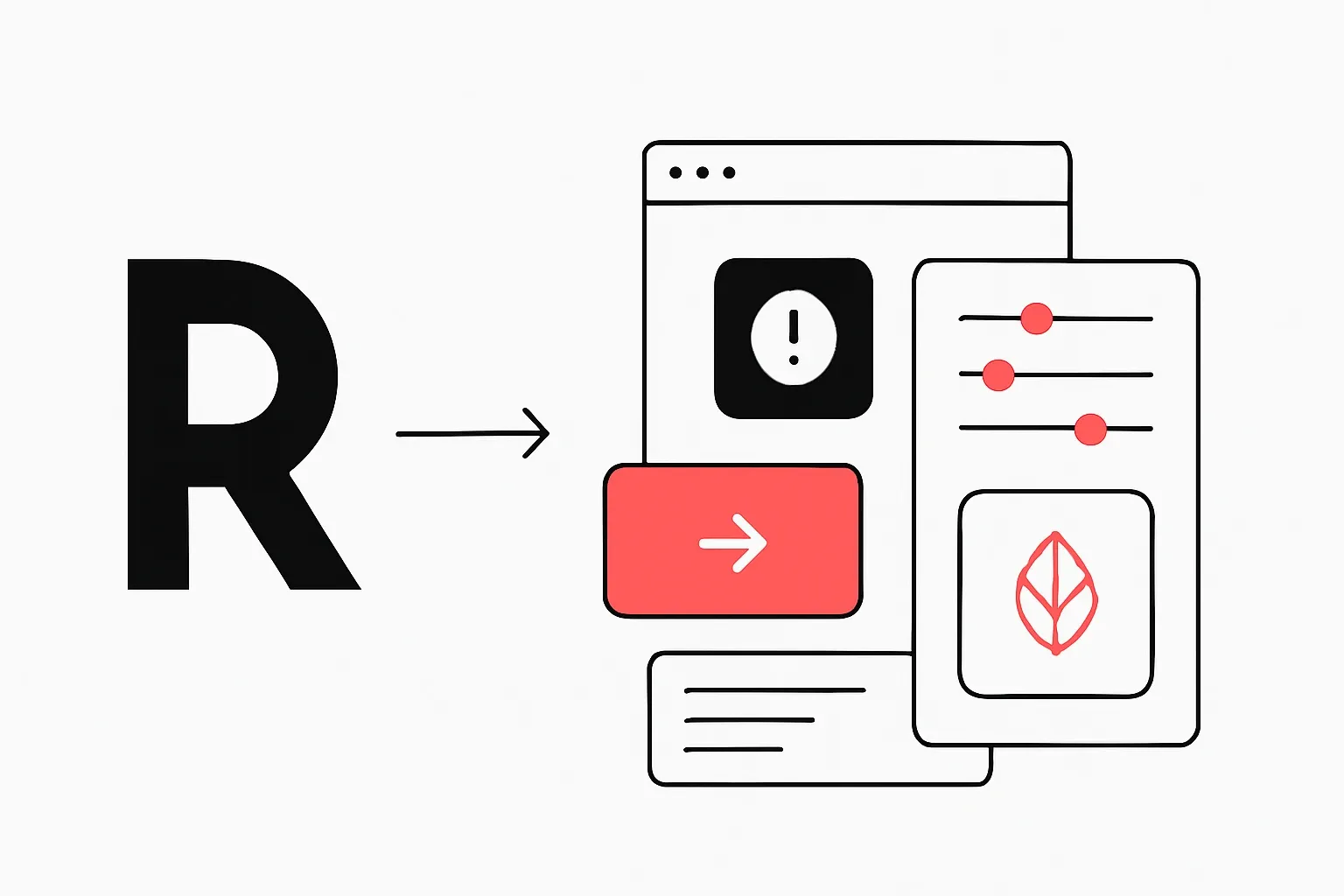
Motion design is transforming digital branding into something more dynamic, immersive, and emotionally resonant. What used to be static visuals—logos, banners, product shots—are now coming to life through animation, micro-interactions, and fluid transitions that keep users engaged longer.
But motion design isn’t just about adding flair. It’s about guiding attention, telling stories, and shaping how people feel about your brand. As audiences scroll faster and attention spans shrink, movement has become the most natural way to capture emotion and meaning.
What Is Motion Design in Branding?
Motion design combines graphic design principles with animation to create movement-based visual storytelling. In branding, that means using motion to communicate identity, mood, and intent—turning static visuals into living, breathing brand assets.
From animated logos to app transitions and explainer videos, motion design helps brands express personality across every touchpoint. It’s a blend of art, psychology, and technology that makes visual communication feel human and alive.
Why Motion Matters for Modern Brands
A brand isn’t just a logo—it’s an experience. And experiences are remembered through emotion and movement. Motion design triggers emotional connection, increases brand recall, and makes digital interactions more memorable.
- Enhances Storytelling: Motion gives your brand narrative rhythm and flow.
- Improves User Experience: Subtle animations make navigation feel natural and intuitive.
- Drives Engagement: Moving visuals stand out in feeds crowded with static content.
- Strengthens Consistency: Motion systems unify a brand’s tone across platforms.
A well-crafted motion identity can make your brand feel smoother, smarter, and more trustworthy.
Motion Design Meets Technology
The rise of new tools and AI-assisted design platforms has made motion graphics more accessible than ever. Designers no longer need to rely solely on complex software like After Effects—AI, WebGL, and CSS animation frameworks now enable responsive, scalable motion experiences that run seamlessly on any device.
Trends reshaping motion design in 2025 and beyond include:
- AI-Generated Animations: Machine learning helps auto-animate brand assets.
- Real-Time Motion in Web Design: Dynamic transitions adapt to user behavior.
- 3D Motion in Minimal Layouts: Subtle 3D movements add depth without clutter.
- Micro-Interactions in UI/UX: Hover, tap, and scroll animations enhance usability.
- Motion for Accessibility: Animation that guides without overwhelming users.
Motion design is no longer an afterthought—it’s a UX and storytelling layer that defines how your brand feels in motion.
The Psychology of Movement
Our brains are wired to notice movement. Evolutionarily, motion signals importance—it draws attention instantly. That’s why even minimal animation can make your content more memorable.
Psychologically, motion conveys mood:
- Smooth transitions suggest reliability.
- Fast zooms or bounce effects express energy and excitement.
- Slow fades communicate calm and trust.
Understanding this emotional vocabulary allows brands to connect at a subconscious level. When a brand’s motion language aligns with its identity, it builds stronger emotional coherence.
Motion in UI/UX: Beyond Aesthetics
Modern websites and apps use motion as functional feedback, not decoration. Hover animations, button transitions, and scroll effects give users visual cues that make interactions satisfying and intuitive.
For example:
- A subtle bounce when clicking “Add to Cart” reassures the user of action success.
- A fade-in product image feels smoother than a sudden load.
- A storytelling scroll animation turns long content into an immersive journey.
In e-commerce, this can directly increase conversion rates, as users perceive responsive interfaces as more professional and trustworthy.
Building a Motion Identity
A strong motion identity works like a tone of voice—it communicates personality through timing, speed, and style. The key is consistency. Every animated element should feel like it belongs to the same family.
Here’s how brands build it:
- Define Motion Principles: What emotions should your brand evoke—energy, calm, innovation, trust?
- Create Motion Guidelines: Define easing curves, timing, and repeatable transitions.
- Align with Visual Branding: Colors, typography, and motion should harmonize.
- Optimize for Platforms: Ensure animations look right across web, mobile, and video.
A cohesive motion language helps maintain identity even when visuals evolve.
The Role of AI in Motion Design
AI has entered the world of animation with incredible potential. From auto-animating static visuals to generating transitions based on emotion, AI tools are making motion design faster, smarter, and more adaptive.
AI-driven motion can analyze engagement data to predict what kinds of movements resonate best with your audience—bridging art and analytics. For branding agencies and creative teams, this means saving time on technical work and focusing more on narrative and emotion.
Motion Design Across Platforms
Motion branding extends far beyond websites. It touches social media, ads, presentations, and even packaging videos.
- Social Media: Looping motion graphics grab attention and boost watch time.
- Advertising: Dynamic video ads outperform static posts in click-through rates.
- Email Marketing: Animated CTAs can increase conversion rates by up to 30%.
- Presentations: Smooth transitions make brand decks more persuasive.
Motion design builds coherence—users can instantly identify your brand from the way it moves.
The Future of Motion Design in Branding
As technology advances, brands are embracing motion as the universal language of digital emotion. Soon, animated brand systems will adapt automatically to audience preferences and platform behaviors.
Future trends point toward:
- Responsive Motion Systems: Animations that adjust dynamically to user context.
- Voice and Motion Integration: Visual motion responding to voice commands.
- AR and Spatial Branding: Animated experiences in augmented reality.
- Data-Driven Creativity: Motion informed by performance metrics.
In this new era, motion becomes strategy, not style.
Challenges in Motion Branding
While motion adds depth, it requires balance. Overuse or inconsistent timing can feel distracting or unprofessional. Accessibility must also remain a priority—animations should support clarity, not overwhelm users with visual noise.
Optimizing file sizes and frame rates is equally important to maintain page speed and SEO performance.
Conclusion: Movement That Speaks
Motion design gives brands a heartbeat. It turns visuals into experiences and messages into emotions. Whether through animated logos, UI transitions, or storytelling videos, motion adds personality to every pixel.
As digital competition grows, motion design helps brands stand out not just by being seen—but by being felt.
If you want to elevate your brand’s visual storytelling and create dynamic digital experiences that connect, explore Milaaj BrandSet’s Brand Identity Development and UI/UX Design Services. These solutions help brands craft movement that inspires engagement, emotion, and loyalty.
FAQs About Motion Design in Branding
What is motion design in digital branding?
It’s the use of animation, transitions, and motion graphics to express a brand’s identity and enhance user experience.
Why is motion important for brands?
Motion draws attention, conveys emotion, and improves usability, making digital experiences more engaging and memorable.
Does motion design affect SEO?
Yes. Properly optimized animations improve engagement metrics like dwell time, which can positively influence search rankings.
What tools are used in motion design?
Designers use tools like After Effects, Lottie, Figma Motion, and AI-powered platforms for efficient and scalable animation.
Can small businesses use motion design?
Absolutely. Even micro-animations on websites or social posts can significantly improve brand perception.
Ready to Elevate Your Brand?
Start Your Project Today