October 9, 2025
Nano Influencers Marketing 2026: Authentic Brand Growth
Milaaj Editorial / Research Insights
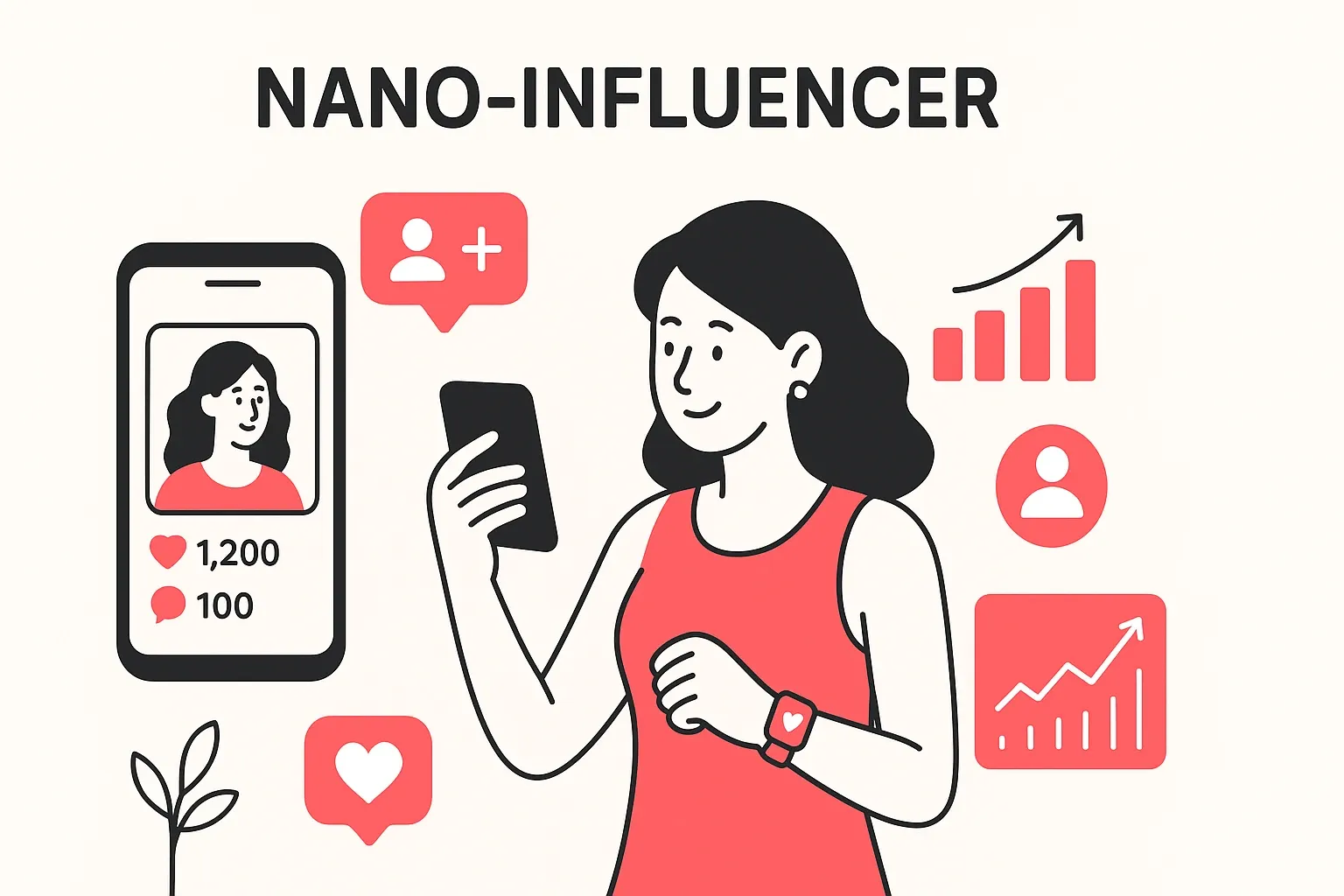
In 2026, the influencer marketing landscape has changed forever. The age of celebrity endorsements and big-budget influencer deals is fading fast replaced by a new kind of authentic voice: nano influencers.
With audiences tired of scripted ads and polished perfection, brands are realizing that smaller, more relatable creators have something far more valuable than reach they have trust. And in modern marketing, trust is everything.
This is why nano influencer marketing in 2026 has become one of the most powerful tools for building authentic brand growth and lasting customer relationships.
What Are Nano Influencers?
Nano influencers are ordinary people with extraordinary influence. They typically have between 1,000 and 10,000 followers, but their strength lies not in the size of their audience it’s in the depth of their connection.
These creators share personal, relatable stories rather than promotional scripts. They engage with followers daily, answer comments, and share real opinions. Their communities are built on genuine engagement, not vanity metrics.
In 2025, brands value this type of authenticity more than ever before. Nano influencers help them build meaningful relationships, earn credibility, and grow organically without the expensive price tags of celebrity marketing.
Why Nano Influencers Matter in 2026
Audiences today are more aware, skeptical, and selective. They can tell when an influencer is just doing it for the paycheck. Nano influencers break that cycle because their followers genuinely trust them.
Unlike mega influencers who broadcast messages to millions, nano influencers talk to people not at them. Their recommendations feel like advice from a friend, not an ad. This personal connection results in:
- Higher engagement rates
- More authentic conversations
- Greater brand trust
That’s why in 2026, successful brands are shifting focus from reach to relevance, and from celebrity to community.
The Rise of Authenticity in Influencer Marketing
The future of marketing belongs to brands that feel human.
Customers want to buy from brands they can relate to brands that reflect real values and experiences.
Nano influencers are at the heart of this shift. They promote products they truly use and believe in, which makes their content resonate far more deeply. Their authenticity cannot be faked or replicated by algorithms.
For instance, a nano influencer recommending a skincare brand to her small circle of followers might generate higher conversions than a global celebrity campaign simply because her audience trusts her.
The Power of Community-Driven Marketing
Nano influencers build what brands struggle to create: communities that care.
These small-scale creators have two-way relationships with their followers. They respond to DMs, comment back, and share personal insights.
This level of engagement leads to:
- Real conversations about products.
- User-generated content that amplifies brand visibility.
- Long-term loyalty that drives repeat sales.
Brands in 2026 are no longer chasing viral moments they’re nurturing micro-communities that grow organically. Nano influencers make that possible.
How Nano Influencers Drive Brand Growth
Nano influencers might not have millions of followers, but their impact is unmatched. Here’s why they’re changing the game in 2026:
1. They Build Real Relationships
Their audience trusts them because they share honest experiences not polished scripts.
2. They Deliver Higher Engagement
Nano influencers often achieve engagement rates between 8–10%, compared to 1–2% for macro influencers.
3. They’re Cost-Effective
Partnering with nano influencers allows brands to collaborate with several creators within the same budget, maximizing reach without compromising authenticity.
4. They Strengthen Local and Niche Marketing
Nano influencers dominate niche communities tech, fitness, beauty, gaming, travel, and more. This helps brands connect directly with micro-audiences who are genuinely interested.
5. They Generate User-Generated Content (UGC)
Their posts, reviews, and videos become powerful UGC that brands can reuse across websites and ads building long-term credibility.
How Brands Are Adapting in 2026
In 2026, the smartest brands are investing in relationship-based influencer marketing. Instead of one-time sponsored posts, they’re forming ongoing collaborations with nano creators.
They prioritize:
- Engagement quality over follower count.
- Positive sentiment over visibility.
- Community loyalty over short-term clicks.
This shift marks a move away from transactional campaigns toward genuine partnerships where both brand and creator grow together.
The Role of AI in Nano Influencer Marketing
Artificial Intelligence is revolutionizing how brands discover and work with influencers.
AI tools now analyze engagement patterns, audience demographics, and content authenticity to identify the best nano influencers for specific campaigns. These platforms help brands avoid fake followers and inflated numbers, focusing instead on genuine community influence.
AI also assists in:
- Predicting which influencers will deliver the highest ROI.
- Measuring engagement sentiment.
- Automating reporting and performance tracking.
This data-driven approach ensures brands invest in real voices not vanity metrics.
Why Nano Influencers Outperform Larger Influencers
Bigger isn’t always better. Macro influencers may offer massive exposure, but nano influencers deliver intimacy, credibility, and conversions.
When followers feel connected to a creator, they’re far more likely to act on their recommendations. Nano influencers excel because their relationships are built on authentic conversation, not advertising.
Their smaller scale allows them to stay approachable, relatable, and genuine all traits that define successful marketing in 2026.
How to Build a Nano Influencer Strategy
If you’re ready to embrace the future of influencer marketing, here’s how to design an effective nano influencer strategy in 2026:
1. Identify the Right Communities
Focus on micro-niches that align with your brand’s target audience. For example, sustainable lifestyle brands should look for eco-conscious creators.
2. Leverage AI for Influencer Discovery
Use influencer platforms or social listening tools to find creators who have authentic engagement not just high follower counts.
3. Build Relationships, Not Contracts
Encourage open collaboration. Give influencers creative freedom to represent your brand in their authentic voice.
4. Encourage Long-Term Partnerships
Working with the same influencers over time creates consistent messaging and deeper trust.
5. Measure Engagement and Sentiment
Track meaningful metrics like saves, comments, and brand mentions not just impressions.
By following this structure, brands can transform small-scale collaborations into large-scale trust networks.
Platforms Leading the Nano Influencer Movement
Several social media platforms are enabling nano influencers to thrive in 2026:
Still the top platform for influencer marketing, Instagram allows nano influencers to share authentic Reels and carousel stories that feel personal and relatable.
TikTok
TikTok’s algorithm favors engagement over follower count, making it a perfect space for small creators to go viral.
YouTube Shorts
Brands now collaborate with nano creators on short, authentic videos ideal for storytelling and reviews.
LinkedIn and Threads
Professional and niche communities are emerging as new hubs for nano influence, particularly for B2B brands and personal branding.
Each platform empowers nano influencers to connect authentically, allowing brands to adapt messaging for different audiences and purposes.
The Future of Nano Influencers in Marketing
Nano influencers are not a passing trend they’re the future of authentic marketing.
In the next few years, we’ll see:
- AI-powered influencer matchmaking for better brand-fit collaborations.
- Blockchain-based transparency to ensure campaign authenticity.
- Voice-first influencer marketing as voice search and smart devices become mainstream.
Brands that start investing in nano influencer networks now will benefit from stronger brand loyalty, better content quality, and sustainable long-term growth.
Why Authenticity Is the New Currency
The modern audience doesn’t want perfection they want honesty.
Nano influencers represent everything today’s consumers value: transparency, relatability, and real experience. They’re helping brands rebuild what traditional advertising lost trust.
In 2026, the most successful marketing strategies won’t be driven by algorithms, but by human stories told authentically.
That’s why Milaaj BrandSet helps brands create influencer programs that focus on real connection and measurable impact combining the creativity of storytelling with the precision of data.
Conclusion
The era of performative marketing is over. In 2026, real growth comes from real voices.
Nano influencers are leading this evolution connecting communities, humanizing brands, and inspiring genuine loyalty. Their influence proves that smaller audiences often create bigger impact when trust is the foundation.
For brands looking to stay ahead of the curve, now is the time to embrace nano influencer marketing not as a trend, but as a long-term strategy for authentic, data-driven growth.
Partner with Milaaj BrandSet to develop influencer campaigns that feel personal, perform powerfully, and build unshakable brand trust.



Ready to Elevate Your Brand?
Start Your Project Today