December 9, 2025
Omnichannel Marketing: How Unified Brand Presence Drives Sales
Milaaj Editorial / Research Insights
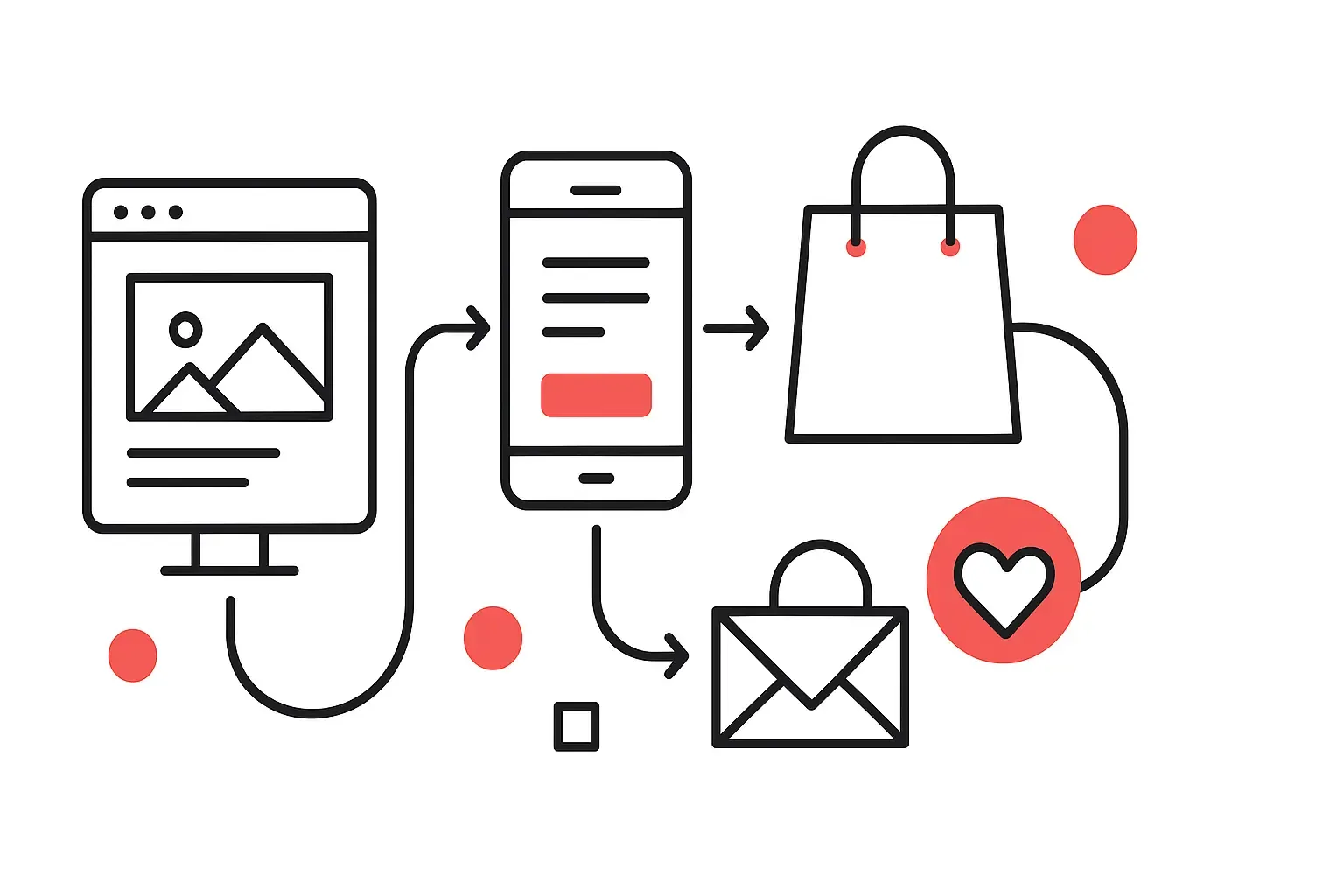
Consumers no longer move in a straight line with brands. They browse a website, then check Instagram, then continue on mobile, maybe revisit from a laptop, and finally make a purchase through a store or app. The way customers shop today is fluid, connected, and constantly shifting.
This is why omnichannel marketing has become essential. It’s no longer enough to have a website, a social feed, and a few ads running in isolation. Customers expect everything to feel connected, consistent, and seamless — no matter which channel they use or how often they switch between them.
A unified brand presence doesn’t just improve customer experience. It directly drives higher conversions, more repeat customers, and stronger long-term sales.
Let’s break down what makes omnichannel marketing so powerful and how brands can use it to grow faster.
What Omnichannel Marketing Really Means
Many brands confuse omnichannel with multichannel. Multichannel simply means you’re present in multiple places. Omnichannel means all those places talk to each other.
In other words:
- Multichannel is about showing up.
- Omnichannel is about connecting the entire experience.
A unified experience makes the customer feel like they’re interacting with one brand, not a collection of disconnected platforms. Whether they switch from Instagram to your website or from email to your app, the experience feels natural and familiar.
This kind of consistency builds trust, removes friction, and increases the likelihood of conversion.
Why Omnichannel Marketing Drives More Sales
Customers Move Freely Across Channels
Today’s shoppers bounce across devices constantly. A unified, connected experience ensures you never lose them in the gaps.
Consistent Messaging Builds Trust
When your brand voice, visuals, and offers match everywhere, customers feel more confident buying from you.
Better Attribution Means Smarter Decisions
When your touchpoints are connected, you learn exactly where customers come from and what influences their purchase.
Personalization Becomes Stronger
With a connected system, customer data updates instantly across channels. This lets you offer relevant product recommendations, timely reminders, and personalized experiences.
Reduced Abandonment
Customers often abandon purchases when they feel confused or pressured. Omnichannel removes this friction and guides them naturally toward conversion.
All of this adds up to one thing: higher revenue with the same traffic.
What Makes an Omnichannel Experience Powerful
A strong omnichannel strategy blends technology, brand consistency, and customer empathy. Here are the core elements:
Seamless Transition Between Devices
Customers can start browsing on their phone, continue on a laptop, and finish on your app without repeating steps.
Consistent Brand Identity
The same tone, colors, visuals, and messages across every channel create familiarity.
Unified Customer Data
All interactions — website visits, social clicks, email opens, chats — update into a single profile.
Personalized User Journey
Recommendations, offers, and messaging adapt to user behavior and preferences.
Integrated Support
Live chat, social DMs, email support, and help centers work together so customers never need to repeat themselves.
Brands that get these right create a frictionless experience customers naturally return to.
How to Build a Unified Omnichannel Strategy
Start With a Clear Brand Voice and Identity
If your tone changes from friendly on Instagram to robotic in email, your customer journey will feel disconnected.
A clear style guide ensures your messaging stays unified across all touchpoints.
Understand Your Customer Journey
Map out how customers discover, compare, choose, and purchase from you. Identify gaps, confusion points, and moments where unifying the experience could boost conversions.
Integrate Your Platforms
Website, CRM, social channels, ads, email software, and analytics tools should sync together.
This ensures:
- Predictive recommendations
- Smarter email flows
- Better retargeting
- Personalized product suggestions
Use Cross-Channel Retargeting
If a customer leaves your site after browsing, they should see relevant content on social media, search engines, or email.
Stay Consistent With Offers
Promotions, bundles, and discounts should match across channels. Inconsistent offers reduce trust and conversions.
Measure the Right Metrics
Omnichannel success isn’t measured in likes or impressions. Track:
- Customer lifetime value
- Average order value
- Repeat purchase rate
- Assisted conversions
- Customer retention
This gives you a far clearer picture of what’s actually driving revenue.
Omnichannel Examples That Work
Retargeting After Product Views
Someone checks a product on your website, and later they see the same product highlighted on social.
Cart Abandonment + Social Reminder
A shopper abandons their cart. They receive an email reminder and later see a relevant ad on Instagram.
In-Store Experience Connected to Online Behavior
A customer visits your store, and their app shows tailored offers based on that visit.
Unified Customer Support
A user starts a chat on your website and later continues the conversation through email without needing to re-explain anything.
These small but powerful touchpoints drive loyalty and repeat sales.
Conclusion: A Unified Brand is a Stronger Brand
Customers no longer shop in one place. They move across platforms, devices, and channels without thinking about it.
Your brand must move with them.
A truly unified omnichannel approach turns scattered interactions into a connected experience that builds trust, increases conversions, and strengthens long-term loyalty.
If you want to improve customer experience, increase conversions, and unify your digital presence, explore our services:
A connected brand is a profitable brand.
Create a journey customers love — and they’ll keep returning.


Ready to Elevate Your Brand?
Start Your Project Today