September 27, 2025
The Evolution of Paid Media In 2026: Smarter Ads That Adapt in Real Time
Milaaj Editorial / Research Insights
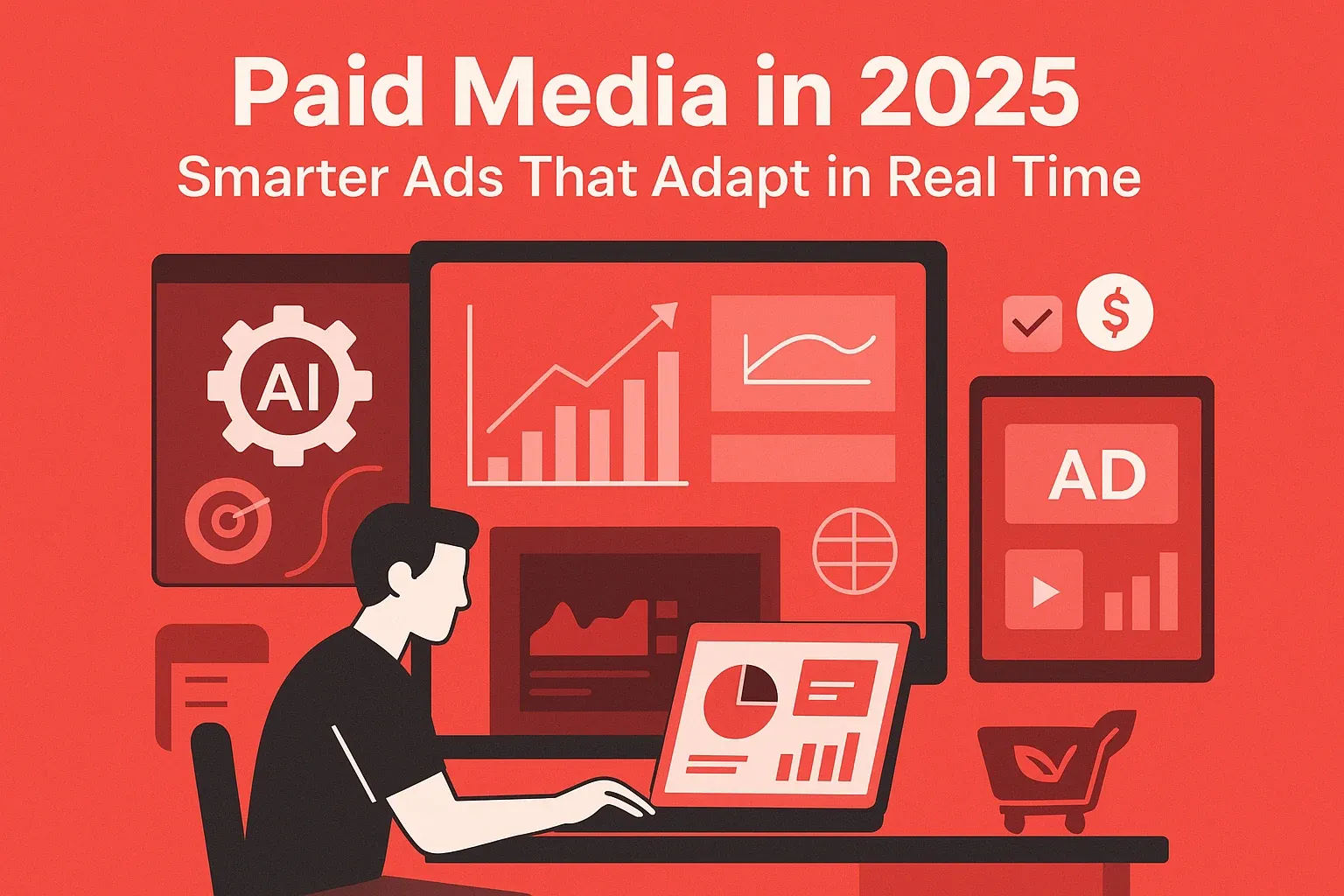
The advertising world has shifted dramatically in the last decade. What once worked with static banner ads and one-size-fits-all campaigns no longer resonates with audiences who expect personalization, speed, and relevance. As we step into 2026, one trend is reshaping the future of digital advertising more than anything else: real-time adaptive paid media.
Powered by artificial intelligence (AI), machine learning, and advanced analytics, paid ads are becoming smarter than ever. Instead of broadcasting a single message to millions, businesses can now deliver dynamic ads that adapt instantly to a user’s behavior, context, and intent. This revolution isn’t just about better click-through rates it’s about creating meaningful engagement, maximizing ROI, and staying ahead in a hyper-competitive digital market.
In this blog, we’ll explore how smarter, real-time paid ads are transforming marketing strategies in 2026, the benefits and challenges businesses face, and practical steps for brands that want to embrace this future.
1. What Is Adaptive Paid Media?
At its core, adaptive paid media refers to digital ads that respond to user behavior and contextual signals in real time. Unlike static campaigns where a brand runs the same creative for weeks—adaptive ads are dynamic and personalized, adjusting everything from the message to visuals depending on who is seeing them and when.
For example:
- A customer browsing eco-friendly shoes on Instagram might instantly see a carousel ad showcasing sustainable sneakers from a brand they’ve never interacted with before.
- Another user searching for “best laptops for gaming” might see a YouTube pre-roll ad highlighting high-performance laptops on sale that very week.
This shift is powered by AI-driven decision-making and programmatic ad platforms that optimize campaigns at scale, ensuring businesses reach the right person at the right moment.
2. The Role of AI & Machine Learning in Real-Time Ads
Artificial intelligence isn’t just a buzzword it’s the engine driving adaptive advertising in 2026. Here’s how:
- Predictive Targeting: AI analyzes browsing history, purchase behavior, and engagement signals to predict what users want before they even search.
- Dynamic Creative Optimization (DCO): Ad elements such as images, headlines, and CTAs adapt automatically based on audience segments.
- Programmatic Bidding: AI systems participate in real-time bidding (RTB) auctions, ensuring businesses only pay the right price for the right audience.
- Cross-Channel Synchronization: Ads on Google, TikTok, Instagram, and e-commerce platforms can sync in real time for consistent messaging.
Imagine an AI noticing that a user abandoned a shopping cart on a brand’s website. Within seconds, the same user sees a personalized ad on Facebook offering a small discount to complete the purchase. That’s the power of machine learning in adaptive paid media.
3. Benefits of Smarter Real-Time Ads
3.1 Personalization at Scale
Customers are no longer satisfied with generic ads. Real-time adaptive ads provide tailored experiences, making customers feel valued and understood.
3.2 Higher ROI
Smarter ads mean fewer wasted impressions and more targeted conversions. Businesses maximize every ad dollar spent, improving return on investment.
3.3 Improved Engagement
Adaptive ads are interactive, relevant, and timely, resulting in better click-through rates (CTR) and deeper engagement.
3.4 Faster Optimization
Campaigns no longer need weeks of testing. AI learns in real time, testing hundreds of creative variations within hours to deliver the best-performing combinations.
3.5 Competitive Advantage
In saturated markets, businesses that adopt real-time paid ads gain a strategic edge over competitors who still rely on outdated static campaigns.
4. Key Trends in Paid Media 2026
The evolution of smarter ads is tied to larger trends shaping the digital landscape:
4.1 Real-Time Bidding (RTB)
Automated auctions allow brands to bid for ad placements as users load web pages or apps. With AI, these decisions happen in milliseconds.
4.2 Contextual Advertising with AI
Instead of relying solely on cookies, contextual ads analyze page content and serve relevant ads. Example: reading an article about fitness gear might trigger an ad for protein supplements.
4.3 Dynamic Ad Creatives
Static ads are fading. In 2026, ads evolve in real time changing text, design, and CTA based on the customer’s stage in the journey.
4.4 Social Commerce Integration
Platforms like Instagram and TikTok now allow users to shop directly within ads. Adaptive ads personalize products based on browsing history and influencer interactions.
4.5 AI-Driven Video Ads
Short-form video dominates in 2026, with AI tailoring video length, message, and visuals to different audience groups.
5. Challenges & Risks of Adaptive Ads
While the opportunities are massive, adaptive paid media isn’t without challenges:
5.1 Data Privacy Concerns
With growing regulations like GDPR and CCPA, businesses must balance personalization with compliance. Transparency and consent are non-negotiable.
5.2 Over-Reliance on Automation
AI systems are powerful, but brands risk losing creative control if they rely entirely on automation. The human touch is still essential.
5.3 Ad Fatigue
Dynamic ads can overwhelm users if not carefully managed. Bombarding the same customer with too many “personalized” ads risks losing trust.
5.4 Rising Costs in Competitive Markets
While smarter ads improve ROI, real-time bidding can also increase competition, driving up costs for highly sought-after audiences.
6. Case Studies & Real-World Examples
Nike’s Real-Time Personalization
Nike uses AI to serve ads that adapt to users’ fitness interests runners see marathon gear, while casual users see lifestyle sneakers. This approach has boosted conversions significantly.
Spotify’s Adaptive Ads
Spotify integrates real-time context, such as weather or user mood (based on playlist type), to deliver ads that feel personalized and natural.
Amazon’s Predictive Advertising
Amazon’s AI predicts what customers might need before they even add it to their cart, serving ads across search engines and social platforms.
7. How Businesses Can Leverage Smarter Paid Media in 2026
If you’re looking to stay competitive, here’s how to start:
- Audit Your Current Campaigns – Identify gaps in targeting, personalization, and creative optimization.
- Adopt AI-Powered Tools – Platforms like Google Ads, Meta Ads, and programmatic DSPs are integrating adaptive capabilities.
- Invest in Dynamic Creative – Work with designers and marketers who can create modular ad creatives that adapt in real time.
- Prioritize Privacy-First Advertising – Build customer trust with transparent policies and ethical data use.
- Measure Beyond Clicks – Focus on engagement, conversions, and customer lifetime value, not just impressions.
Conclusion: The Future of Paid Media is Adaptive
As 2026 unfolds, one thing is clear: adaptive, real-time paid media is no longer optional it’s the standard. Brands that embrace smarter advertising strategies powered by AI and machine learning will see stronger engagement, higher ROI, and more loyal customers.
Paid media has evolved from static impressions to living, responsive campaigns that meet customers where they are, in the exact moment they’re ready to act. Businesses that adapt now won’t just keep up with the future they’ll lead it.
👉 Ready to transform your advertising strategy? Explore our Paid Media Campaigns service at Milaaj BrandSet and launch smarter, adaptive ads that grow your brand in real time.



Ready to Elevate Your Brand?
Start Your Project Today