October 14, 2025
Phygital Retail: Blending Physical and Digital Shopping in 2025
Milaaj Editorial / Research Insights
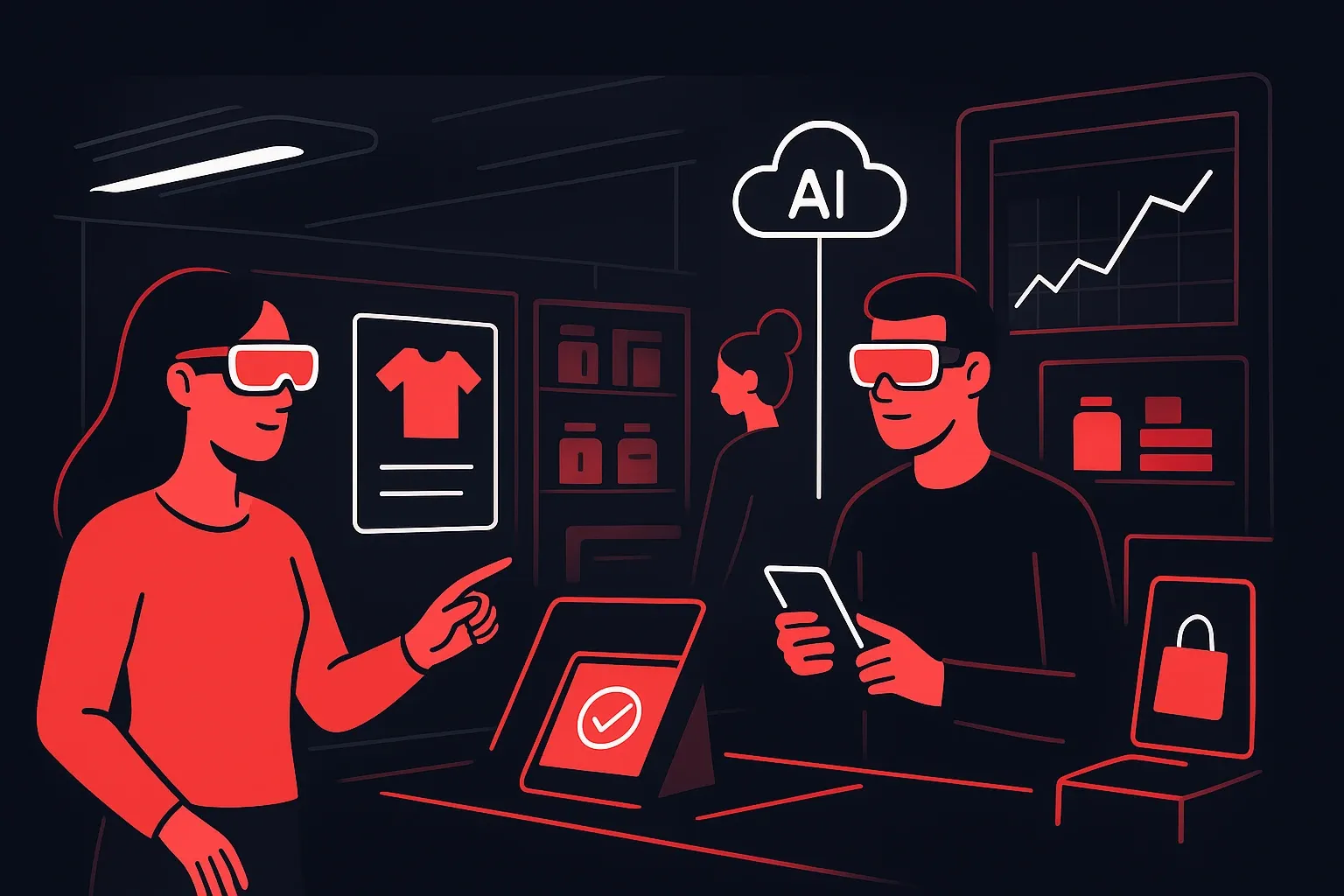
In 2025, the retail world has entered a new dimension — one that merges the physical and digital into a single, seamless ecosystem. This is the rise of Phygital Retail, where technology amplifies human experience, and data-driven insights fuel creativity, personalization, and connection.
Phygital retail isn’t just a buzzword. It represents a fundamental shift in how brands engage with customers — combining the tactile satisfaction of in-store shopping with the speed, personalization, and intelligence of digital platforms. Whether you’re trying on sneakers through augmented reality, scanning a QR code for live product demos, or getting instant offers through an app as you walk into a store, the phygital world is reshaping how we buy, browse, and belong.
What Is Phygital Retail?
The term “phygital” combines physical and digital, symbolizing the fusion of real-world retail with digital innovation. In simple terms, phygital retail delivers unified experiences that bridge online and offline customer journeys.
When executed well, phygital experiences create a flow — where every step, from product discovery to checkout, feels intelligent and effortless. A shopper can discover a product online, check real-time availability in a nearby store, try it virtually using AR, and finalize the purchase through a mobile wallet — all without friction.
This approach doesn’t replace physical stores; it enhances them by turning every location into a connected, data-rich hub. The result? A consistent, personalized, and immersive shopping experience that meets customers wherever they are — on-screen or on-site.
The Journey from Physical to Digital to Phygital
Retail has evolved dramatically over the past few decades:
- The Physical Era – Shopping used to be an event. People visited stores not just to buy but to experience.
- The Digital Boom – The rise of e-commerce platforms made shopping instant and borderless. Convenience became the primary driver.
- The Omnichannel Phase – Retailers started integrating online and offline touchpoints through click-and-collect, in-store pickups, and cross-platform loyalty programs.
- The Phygital Revolution (2025) – The ultimate fusion of physical presence and digital intelligence, creating a single, fluid ecosystem where the customer is always at the center.
Unlike omnichannel, which connects separate experiences, phygital retail blends them into one continuous journey where technology anticipates needs and enhances every interaction.
Why Phygital Retail Is Exploding in 2025
The growth of phygital retail is powered by the convergence of new technologies and evolving consumer expectations. Here are the biggest forces behind it:
1. Artificial Intelligence and Predictive Analytics
AI now plays a vital role in predicting consumer behavior. Retailers use it to understand purchase intent, suggest products in real time, and even adjust in-store displays based on customer demographics. Smart recommendation engines analyze both online and offline behaviors to create hyper-personalized shopping journeys.
2. Augmented and Virtual Reality Experiences
AR mirrors, VR showrooms, and 3D product previews are transforming how shoppers interact with products. Customers can “try before they buy” without touching the item, boosting confidence and reducing returns.
3. Contactless and Smart Payments
From mobile wallets to biometric authentication, checkout has become instant. In-store experiences now include scan-and-go systems, AI-powered kiosks, and even blockchain-secured digital receipts.
4. Hyper-Personalization Through Data Fusion
Retailers can now merge offline behavior (in-store browsing, foot traffic, dwell time) with online data (search intent, click history, social interactions). This combined data unlocks precise, context-aware personalization.
5. The Experience Economy and Sustainability
Today’s consumers value not just products but purpose and experience. Phygital retail enables brands to tell stories, highlight eco-friendly practices, and make customers feel emotionally connected to their purchase journey.
The Core Pillars of Phygital Retail
1. Smart Stores
Smart stores act as hybrid experience centers. Every product, display, and sensor communicates data to improve customer engagement. Digital mirrors offer outfit suggestions, smart shelves track product interest, and interactive kiosks answer questions instantly.
2. Mobile Integration
Smartphones are now personal shopping assistants. They can scan barcodes for real-time reviews, unlock exclusive in-store offers, or add items to digital wishlists that sync automatically with e-commerce carts.
3. Real-Time Data Intelligence
Phygital ecosystems rely on constant feedback loops. Brands track both physical and digital touchpoints to optimize layout design, inventory, and promotions dynamically.
4. Immersive Digital Signage
Traditional posters are being replaced with digital walls and holographic projections. These displays adjust in real time — showing different visuals based on demographics, mood detection, or even weather conditions.
5. Social and Interactive Commerce
Social media and retail now operate hand-in-hand. In 2025, stores host live influencer streams or virtual “shop-with-me” sessions that bridge the excitement of physical browsing with digital convenience.
The Benefits of Phygital Retail
Enhanced Engagement
Immersive digital features keep shoppers exploring longer and interacting more meaningfully with products.
Higher Conversions
Personalized recommendations and frictionless checkouts reduce decision fatigue and abandoned carts.
Data-Driven Strategy
Real-world insights complement digital analytics, helping brands understand customers holistically and predict trends more accurately.
Brand Differentiation
Phygital strategies offer memorable experiences that competitors can’t easily replicate, giving retailers a unique emotional edge.
Sustainability
Digital twins and smart logistics reduce overproduction and optimize energy use, helping brands meet green goals while improving efficiency.
Real-World Leaders in Phygital Retail
🧢 Nike – House of Innovation
Nike’s futuristic flagship stores are the definition of phygital. Customers scan shoes with their app to see size availability, get AR styling suggestions, and even check out digitally without waiting in line.
👜 Gucci – Fashion Meets Digital Ownership
Gucci has embraced the digital frontier through AR try-ons, metaverse showrooms, and NFT-linked product exclusives, offering luxury experiences beyond physical limits.
🏠 IKEA – The AR Home Experience
IKEA bridges imagination and reality. Its app lets shoppers visualize furniture at home using AR, while physical stores integrate digital kiosks for product discovery and room planning.
☕ Starbucks – Data-Driven Experience
Starbucks connects its loyalty app with in-store behavior. Every order helps the brand refine recommendations, music choices, and offers based on each customer’s unique preferences.
These examples show that phygital retail is no longer optional — it’s essential for survival in a connected world.
The Human Psychology Behind Phygital Success
Phygital retail works because it appeals to both the rational and emotional sides of the human brain.
- Touch and Tangibility: Physical experiences fulfill the innate desire for sensory validation.
- Convenience and Control: Digital interfaces give users speed, confidence, and autonomy.
- Personal Connection: Data-driven interactions make customers feel seen and valued.
The result is a sense of belonging and empowerment — an experience that feels simultaneously high-tech and deeply human.
The Role of AI and IoT in Shaping Phygital Retail
The true engine behind phygital transformation is the combination of Artificial Intelligence (AI) and the Internet of Things (IoT).
- AI analyzes data, predicts preferences, and personalizes experiences dynamically.
- IoT devices like beacons, smart shelves, and sensors gather real-time behavioral data from physical environments.
When integrated, these technologies create a living, learning retail ecosystem that adapts instantly. For instance, if AI detects lower in-store engagement, it can trigger interactive product demos or push personalized notifications to nearby shoppers.
This self-optimizing loop ensures customers receive the right experience, at the right time, in the right place — every time.
Ethical Considerations and Challenges
Even as phygital retail grows, it raises important challenges:
- Privacy Concerns: Customers want personalized experiences, but they also expect transparency in how their data is used.
- Digital Overload: Too much tech can feel intrusive, so experiences must remain balanced and optional.
- Accessibility: True innovation ensures inclusivity — from voice-assisted interfaces to adaptive display technologies.
Retailers who navigate these challenges with empathy and honesty will build trust and long-term loyalty.
The Future of Phygital Retail Beyond 2025
Phygital retail is only the beginning. The next wave of innovation will introduce Experiential Commerce (ExCo) — where immersive technology and emotion-driven storytelling merge completely.
By 2030, we’ll see:
- Holographic showrooms that blend AR and spatial computing.
- AI shopping avatars that assist customers in both real and virtual spaces.
- Wearable AR lenses overlaying product data directly in view.
- Emotion-aware environments adjusting lighting, music, and scent to match customer mood.
In this near-future, shopping becomes not just a transaction — but an experience, a story, and a personal journey.
Conclusion
The future of retail isn’t online or offline — it’s phygital. The retailers that thrive in 2025 will be those who master the art of blending human connection with intelligent digital systems.
Phygital retail is redefining customer loyalty by transforming shopping into an immersive, personalized journey where technology enhances — not replaces — human experience.
If your business is ready to evolve for this next-generation marketplace, explore Milaaj BrandSet’s E-Commerce Solutions for creating immersive, connected online storefronts that extend your brand beyond physical boundaries.
To amplify visibility, engagement, and ROI through advanced AI-driven campaigns, visit Milaaj BrandSet’s Digital Marketing Services and discover how intelligent marketing strategies can power your phygital success.
Together, these innovations bridge creativity, technology, and customer experience — helping your brand stand out in a phygital-first world.



Ready to Elevate Your Brand?
Start Your Project Today