October 11, 2025
Predictive Marketing: How AI Knows What Your Customers Want Before They Do
Milaaj Editorial / Research Insights
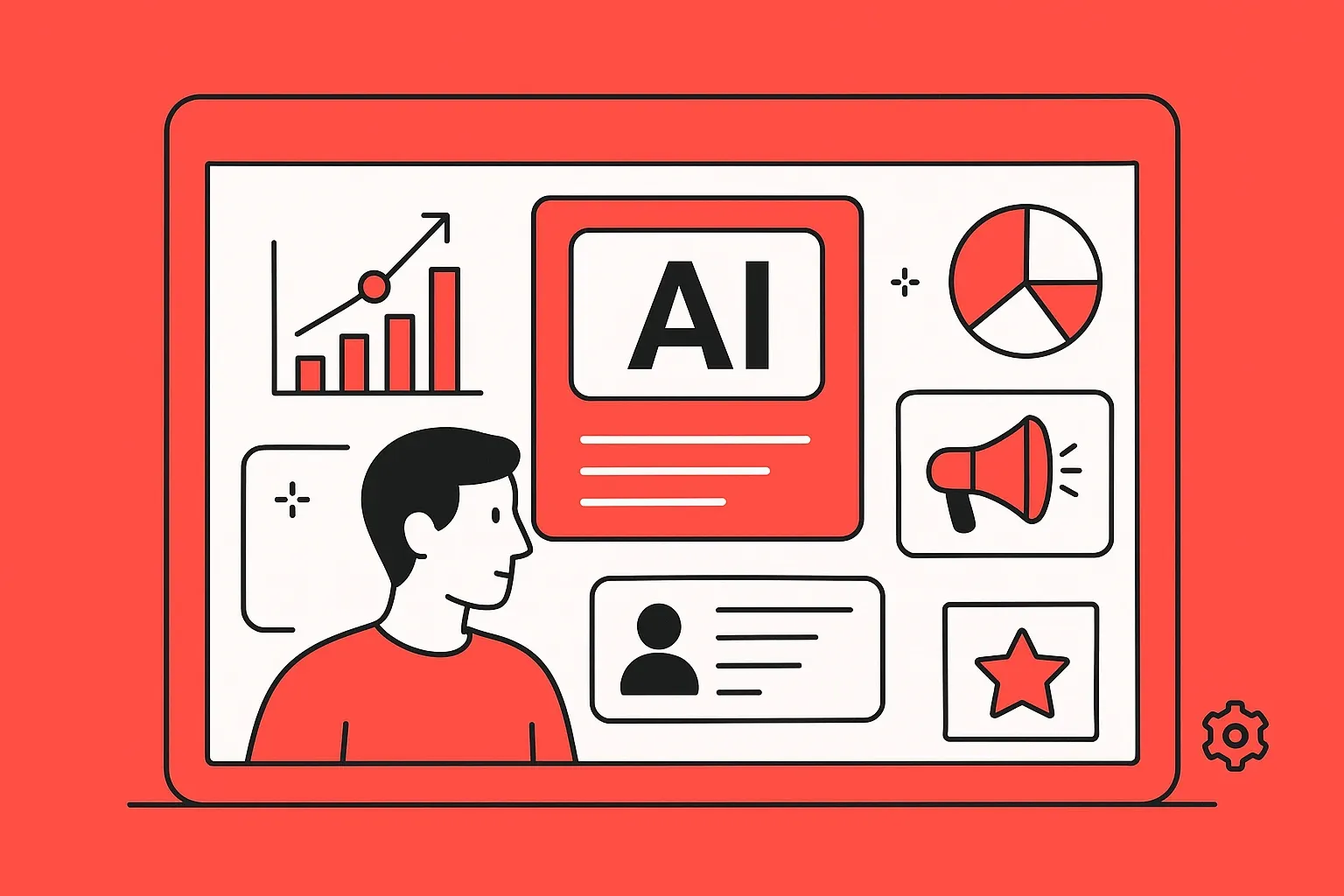
In today’s digital world, brands face the challenge of delivering the right message to the right customer at the right time. Traditional marketing often relies on guesswork, but predictive marketing uses artificial intelligence (AI) to anticipate customer behavior before it happens.
By analyzing patterns from past interactions, predictive marketing allows brands to personalize campaigns, optimize customer journeys, and make data-driven decisions. In 2025, this approach is essential for businesses aiming to improve engagement, conversions, and long-term loyalty.
Understanding Predictive Marketing
Predictive marketing combines data analysis, machine learning, and AI algorithms to forecast future customer behavior. The process works by:
- Collecting Data – AI gathers information from websites, apps, social media, CRM systems, and e-commerce platforms.
- Analyzing Behavior – Algorithms detect patterns in browsing, purchasing, and engagement metrics.
- Predicting Outcomes – Machine learning models forecast actions such as purchases, churn, or engagement.
- Delivering Personalized Experiences – Insights guide tailored messaging, product recommendations, and offers for specific audiences.
This approach transforms raw data into actionable strategies, enabling marketers to make informed decisions and anticipate customer needs.
Core AI Techniques in Predictive Marketing
Machine Learning
Machine learning identifies hidden patterns in large datasets, allowing brands to forecast what customers might want next. For example, it can predict which products a user is likely to purchase based on browsing history.
Predictive Analytics
Predictive analytics applies statistical methods to forecast outcomes. Marketers can determine which campaigns will perform best and which customers are at risk of leaving.
Natural Language Processing (NLP)
NLP interprets human language, analyzing reviews, social media comments, and emails to understand sentiment and preferences.
Recommendation Engines
Recommendation engines suggest products or content based on user behavior. Companies like Amazon and Netflix rely heavily on these systems, and they’re increasingly used in digital marketing strategies.
Benefits of Predictive Marketing
Predictive marketing provides measurable advantages:
- Enhanced Engagement: Customers receive content and offers tailored to their interests.
- Improved Personalization: Campaigns feel more human, relevant, and timely.
- Higher Conversion Rates: Targeted recommendations increase purchase likelihood.
- Efficient Resource Allocation: Marketers can focus on high-value segments to maximize ROI.
- Proactive Customer Retention: Predicting churn allows timely interventions to retain users.
By understanding customer behavior, brands can deliver meaningful experiences that foster loyalty and long-term value.
Real-World Applications
E-commerce Personalization
AI predicts which products a customer is likely to buy and dynamically adjusts website recommendations, promotions, and layouts.
Email Marketing
Predictive algorithms determine the best time to send emails and the content most likely to engage each audience segment.
Social Media Advertising
AI identifies audiences most likely to engage with ads or content, improving targeting and ROI.
Content Marketing
AI forecasts which topics or formats will resonate with users, helping brands create content that drives engagement.
Challenges and Considerations
While predictive marketing is powerful, businesses must navigate potential challenges:
- Data Privacy: Compliance with GDPR, CCPA, and local regulations is essential.
- Algorithmic Bias: Poorly trained models can create biased predictions, affecting campaign performance.
- Complexity and Cost: Implementing AI-driven systems requires expertise and investment.
- Cross-Channel Integration: Ensuring predictive insights work seamlessly across websites, apps, and social media can be challenging.
Understanding these challenges is key to implementing predictive marketing responsibly.
Emerging Trends for 2025
Hyper-Personalization
Brands move beyond broad segmentation to deliver individually tailored experiences based on behavior, context, and preferences.
Predictive Content Marketing
AI helps brands forecast which content formats and topics will engage audiences at specific stages of the customer journey.
Real-Time Behavior Prediction
Advanced algorithms process live data, enabling marketers to respond instantly to user actions.
Cross-Channel Consistency
Predictive insights are applied across social media, email, websites, and apps, creating a cohesive digital experience.
Conclusion
Predictive marketing is no longer a futuristic concept—it’s a strategic necessity for 2025. AI empowers marketers to anticipate customer needs, personalize experiences, optimize campaigns, and maximize ROI. By leveraging predictive analytics, machine learning, and real-time insights, businesses can deliver meaningful experiences while staying ahead of the competition.
For companies looking to implement AI-driven predictive marketing strategies effectively, Milaaj BrandSet’s Digital Marketing services provide expert guidance to harness predictive insights, enhance engagement, and drive conversions.

Ready to Elevate Your Brand?
Start Your Project Today