November 14, 2025
Product Page SEO: How to Rank and Convert Better
Milaaj Editorial / Research Insights
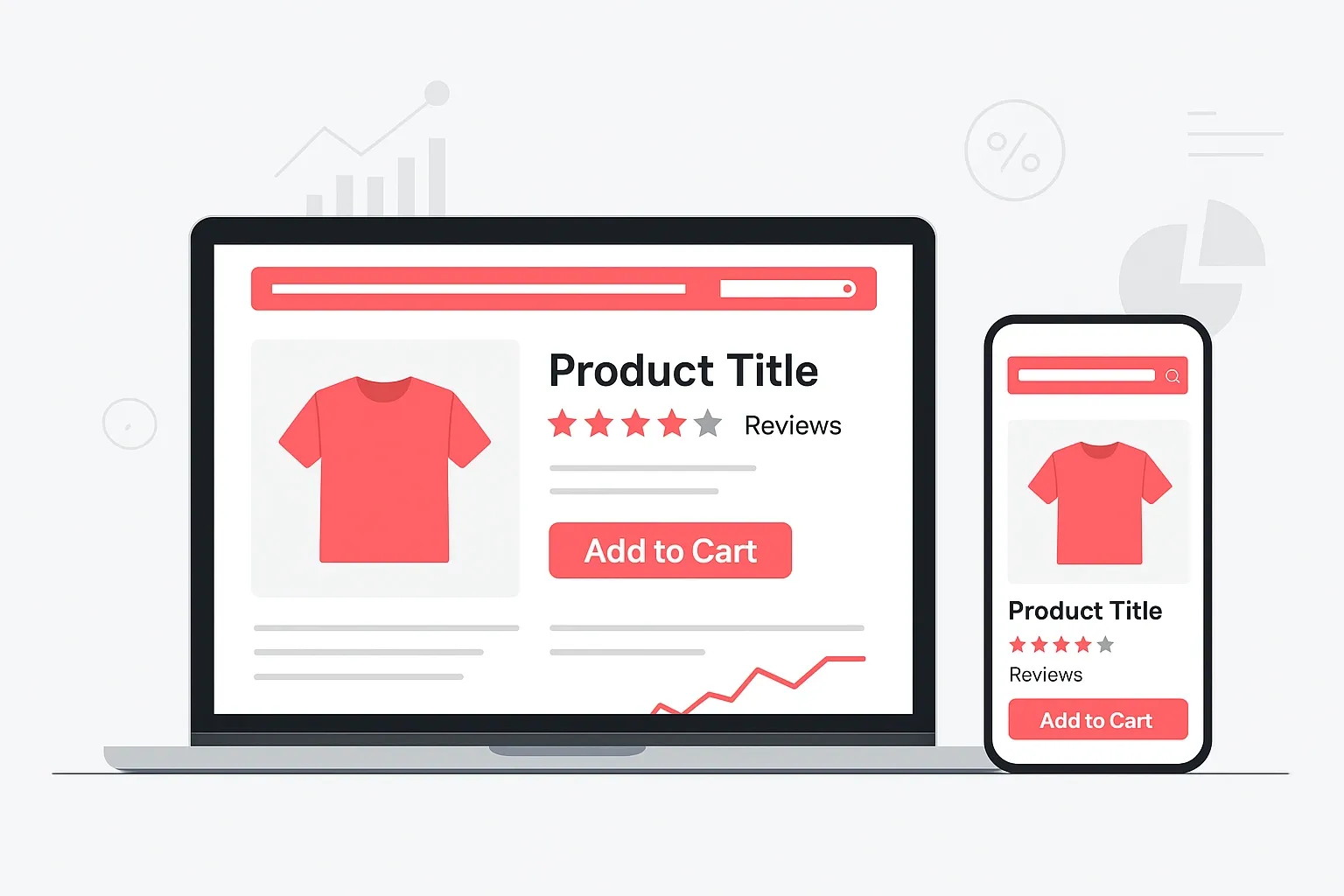
A product page is more than a showcase of what you sell — it’s a powerful conversion engine. Optimizing it for search engines ensures your products reach potential customers, while thoughtful design and copy turn visits into purchases.
In this guide, we’ll explore how to optimize your product pages for both ranking and conversion, covering strategy, technical SEO, content tips, and user experience best practices.
Why Product Page SEO Matters
E-commerce success depends on visibility and persuasion. A well-optimized product page helps your brand:
- Rank higher in search results for relevant queries.
- Attract qualified traffic looking for your products.
- Convert visitors into buyers with clear, compelling messaging.
Without proper SEO, even the best products can remain unseen — losing revenue and market share.
1. Keyword Research for Product Pages
Start with understanding your audience’s search intent. What terms are they using to find products like yours?
- Use tools like Google Keyword Planner, Ahrefs, or SEMrush.
- Include long-tail keywords (e.g., “wireless noise-canceling headphones Dubai”) to capture high-intent searchers.
- Focus on transactional keywords like “buy,” “best,” “affordable,” or “online.”
Your goal is to match what your customer is searching for with the exact solution your product offers.
2. Optimize Product Titles
The product title is one of the most important on-page ranking factors. Best practices:
- Include the main keyword naturally.
- Keep it concise and descriptive.
- Highlight brand and product type if relevant.
Example:
This approach balances SEO with clarity for users.
3. Write Persuasive Product Descriptions
A product description should do more than describe — it should sell, inform, and optimize:
- Start with the main benefits.
- Explain features clearly.
- Include keywords naturally without stuffing.
- Highlight unique selling points (USPs) and differentiators.
Good descriptions build trust, address objections, and guide users toward purchase.
4. Use High-Quality Images and Videos
Visuals are critical for both SEO and conversion.
- Use multiple images showing angles, scale, and usage.
- Include product videos for demos or tutorials.
- Optimize image file names and alt text with relevant keywords.
For example:
wireless-headphones-black-dubai.jpg with alt text: “Wireless noise-canceling headphones in black for Dubai users.”
Google indexes images, and users are more likely to convert when they see clear visuals.
5. Implement Schema Markup
Structured data helps search engines understand your products and display rich snippets, such as:
- Price and availability
- Ratings and reviews
- Stock status
Using JSON-LD schema improves CTR by making your listing more attractive in SERPs.
6. Optimize Page Speed and Mobile Experience
Page performance is critical for both SEO and conversions.
- Compress images without losing quality.
- Use lazy loading for images and videos.
- Ensure mobile responsiveness — most users browse and shop on mobile.
- Minimize unnecessary scripts and plugins.
A fast, smooth page improves rankings and reduces bounce rates.
7. Encourage and Showcase Reviews
User-generated reviews boost credibility, provide fresh content, and enhance SEO.
- Ask buyers for reviews post-purchase.
- Respond to feedback to show engagement.
- Include star ratings for rich snippets in search results.
Reviews also answer customer questions naturally, improving trust and conversion.
8. Internal Linking and Cross-Selling
Internal links help distribute page authority and guide users to related products.
- Link to related categories or complementary products.
- Include “You may also like” or “Frequently bought together” sections.
- Optimize anchor text with descriptive keywords like “Explore premium wireless headphones.”
This encourages browsing, increases average order value, and strengthens SEO.
9. Optimize URLs and Meta Tags
Clear URLs and meta tags improve both SEO and CTR.
- Use short, descriptive URLs: example.com/wireless-headphones-black
- Write meta titles and descriptions that include keywords and call-to-action phrases.
- Avoid generic titles like “Product 12345.”
Example meta description:
10. Track Performance and Adjust
SEO is not a one-time effort. Use analytics to monitor:
- Page traffic and rankings
- Click-through rates from SERPs
- Conversion rates and sales data
Tools like Google Analytics, Search Console, and Hotjar provide actionable insights. Adjust your strategy based on user behavior and keyword performance.
FAQs
1. How can I optimize a product page for SEO?
Include keyword-rich titles, descriptions, structured data, high-quality images, and internal links while ensuring fast load times and mobile responsiveness.
2. Do product reviews help SEO?
Yes, reviews generate fresh content, improve trust, and can show star ratings in search results, enhancing CTR.
3. How important is page speed for product pages?
Very. Slow-loading pages reduce rankings and conversions. Aim for under 3 seconds load time.
4. Should I use videos on product pages?
Yes, videos increase engagement, demonstrate product use, and improve conversions.
5. How do internal links help product SEO?
They guide users to related products, improve crawlability for search engines, and distribute page authority across your site.
Conclusion
Optimizing your product pages for both SEO and conversion ensures that your products reach the right audience and inspire action. A combination of keyword research, persuasive copy, high-quality visuals, reviews, and structured data is the key to success.
To elevate your online store and boost conversion rates, explore professional E-Commerce Solutions in Dubai and Digital Marketing Services tailored to help businesses rank, convert, and grow online.



Ready to Elevate Your Brand?
Start Your Project Today