October 21, 2025
The Psychology of Online Buying: What Really Converts
Milaaj Editorial / Research Insights
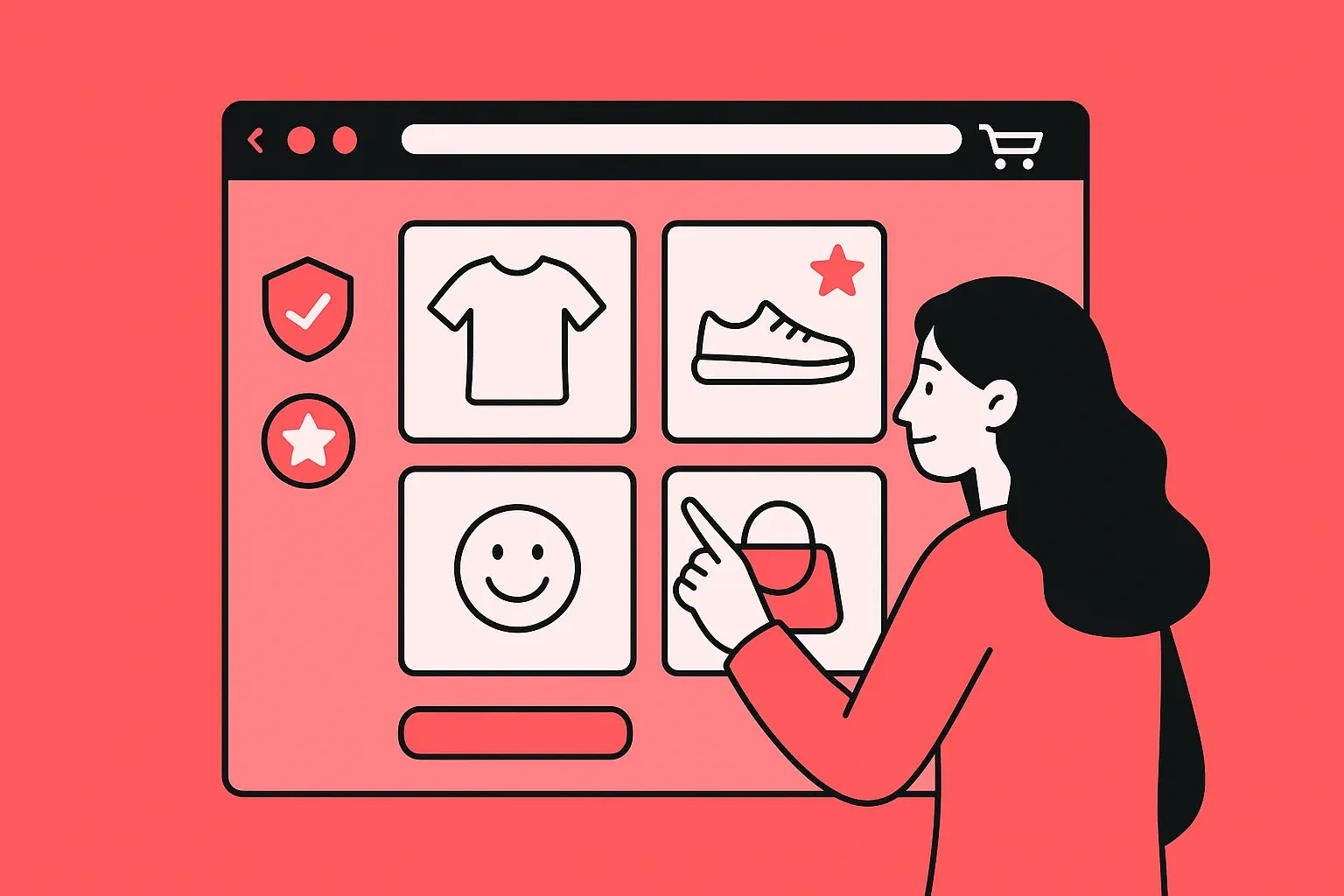
Have you ever noticed how some websites make you buy instantly while others make you hesitate?
That’s not random — it’s psychology in action. Every scroll, every click, and every “Add to Cart” button is shaped by emotional and subconscious triggers that drive decision-making.
Online buying psychology isn’t just about marketing tricks — it’s about understanding why people buy. In 2025 and beyond, brands that understand human emotion and design around it will dominate conversions.
The Emotional Drivers Behind Every Purchase
Every purchase begins with emotion. While people like to believe they buy logically, in reality, emotions lead — and logic follows.
The Power of FOMO (Fear of Missing Out)
Limited-time offers, countdown timers, and “only a few left in stock” alerts create urgency. They make buyers feel like they’re missing out on something special.
Trust Builds Comfort
People only buy from brands they trust. Simple elements like secure payment icons, consistent branding, and transparent reviews can instantly make your brand feel safer.
Social Proof Builds Belonging
When people see others buying, reviewing, or sharing a product, it triggers a sense of belonging. Positive testimonials, influencer endorsements, and user-generated content help build this powerful connection.
How UX Design Shapes Buyer Behavior
Your website design is like your store layout — it can either welcome visitors or drive them away.
Simplicity Converts
A clean, simple design builds confidence. Too many options overwhelm the mind, while clear visuals, easy navigation, and readable text help users take action effortlessly.
Color Psychology That Sells
Color influences emotion more than we realize. Blue builds trust. Red creates urgency. Green calms and reassures. Understanding how colors align with your brand can increase conversions dramatically.
Micro-Interactions That Encourage Action
Tiny details — like button animations, hover effects, or success pop-ups — make the buying process feel satisfying. These subtle cues create trust and emotional engagement.
The Subconscious Triggers Behind Conversions
The human brain uses shortcuts to make quick decisions. These “cognitive biases” affect how users perceive value and trust.
Anchoring Effect
When a product shows an original price and a discounted one, the brain focuses on the higher number first. The sale price then feels like a great deal, even if it isn’t a massive discount.
Reciprocity in Action
Offering free resources, samples, or discounts builds goodwill. People naturally feel inclined to return the favor — often through a purchase or signup.
The Halo Effect
If your website looks professional, users subconsciously believe your product is premium. A good first impression directly affects how trustworthy your brand appears.
Optimizing the Checkout Experience
Checkout is where excitement meets hesitation. Even small friction points can make buyers abandon their carts.
Streamlined Process
Keep checkout forms short. The fewer steps a user has to take, the better.
Guest Checkout Option
Not everyone wants to sign up. Offering a guest checkout can increase conversion rates by over 25%.
Trust Reassurance
Include small reminders like “Secure Payment,” “Free Returns,” or “Money-Back Guarantee.” These phrases reassure hesitant buyers that it’s safe to move forward.
Personalization and AI in Modern Buying Psychology
AI has changed how we shop. Predictive algorithms now understand what users want before they even search for it.
Behavior-Based Recommendations
AI tracks browsing habits to suggest the most relevant products. This creates a personalized experience that feels convenient rather than intrusive.
Dynamic Messaging
From personalized discounts to real-time product suggestions, adaptive messaging increases engagement and satisfaction.
Emotional AI
AI can now detect user sentiment from reviews, interactions, and time spent on a page — helping brands fine-tune their tone and visuals for maximum connection.
Building Emotional Trust Through Brand Authenticity
Today’s online buyers don’t just want good products — they want genuine brands.
Authentic Storytelling
People connect with stories, not statistics. Share your brand’s purpose, vision, and journey in a way that feels real and human.
Consistency Builds Recognition
Use the same tone, color palette, and visual style across your website and ads. Consistency builds subconscious trust and familiarity.
Empathy in Communication
Write as though you’re speaking directly to your audience. Conversational copy creates comfort, reducing hesitation and increasing conversions.
The Future of Conversion Optimization
The next wave of digital marketing isn’t about more clicks — it’s about more connection.
Brands that use behavioral psychology, emotional design, and personalization will win customer loyalty. Future-ready businesses are already blending data with empathy to build deeper, lasting relationships.
Conversion optimization in 2025 and beyond will be less about pushing users to buy and more about making them want to buy.
Conclusion: Turning Buyer Psychology into Business Growth
Understanding online buying psychology is the secret to creating meaningful customer journeys. Every color, word, and layout influences emotion and trust — and trust drives conversions.
Brands that combine emotional insight with smart design can transform browsers into loyal buyers.
If you’re ready to elevate your brand experience, explore Milaaj BrandSet’s Digital Marketing and UI/UX Design solutions — built to help brands convert emotion into measurable growth.
Ready to Elevate Your Brand?
Start Your Project Today