November 24, 2025
Rebranding Done Right: How to Modernize Without Losing Your Core
Milaaj Editorial / Research Insights
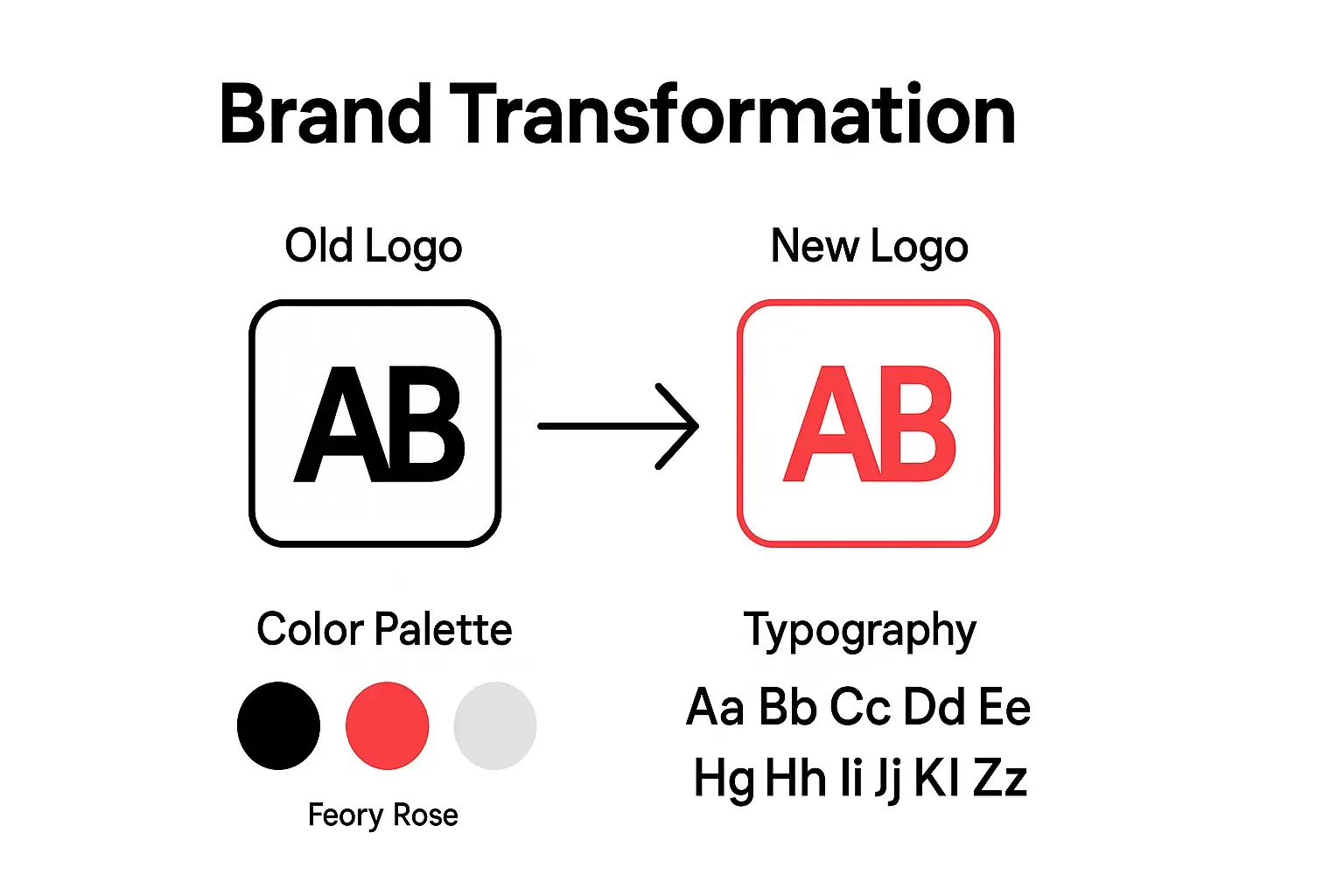
Rebranding is one of the most powerful moves a business can make. It can breathe new life into a company, attract a new audience, increase relevance, and help a brand compete in a constantly evolving digital landscape. But it can also be risky. One wrong move, and you lose the very identity that makes your customers trust you.
Modernizing your brand doesn't mean starting from scratch; it means evolving with purpose. It means keeping your core intact while refreshing what feels outdated or disconnected from your audience. Whether you're updating visuals, improving messaging, or pivoting your brand strategy, a successful rebrand stays true to your essence.
This guide will walk you through how to rebrand the right way—strategically, confidently, and without losing what makes your brand unique.
Understanding When Rebranding Is Necessary
Not every business needs to rebrand. Sometimes all you need is a visual refresh, a new content strategy, or refined messaging. But there are specific situations where a rebrand becomes not just useful but essential.
Your brand looks outdated
Design trends change quickly. If your logo, website, or color palette feels old-fashioned, it may signal that your brand hasn’t kept up with modern customer expectations.
Your audience has evolved
As your business grows, the people you serve evolve too. Maybe you're reaching a younger audience, different industries, or new markets. Your brand must reflect that shift.
You’re expanding or repositioning
New products, new values, and new missions often require an updated identity. Rebranding helps communicate that change clearly.
You’re blending digital and physical experiences
Today’s brands must live seamlessly across websites, social media, mobile apps, packaging, and physical spaces. Rebranding ensures consistency and fluidity.
Your branding no longer reflects your story
Brands are living organisms. When your company outgrows its original identity, it's time to evolve the narrative.
What Makes a Rebrand Truly Successful?
A strong rebrand goes beyond visuals. It aligns with your core purpose and expresses your values with clarity and confidence.
It should feel familiar yet fresh
You want customers to recognize you instantly—but also feel excited by what’s new.
It must reflect the brand’s personality
Playful, premium, minimalist, bold, human, professional—your identity should match your brand’s voice and tone.
It supports long-term growth
Your new branding shouldn’t reflect a short-lived trend but a sustainable identity that will age well.
It builds stronger emotional connections
People don’t just buy products; they connect with brands that feel authentic, welcoming, and trustworthy.
It must be consistent
A rebrand is only powerful when every touchpoint reflects the new identity: website, ads, logo, packaging, emails, and social media.
Step-by-Step Guide to Rebranding Without Losing Your Core
Below is a clear, structured process for rebranding the right way—while protecting your brand’s essence.
Step 1: Start by Understanding Your Core Identity
Before you change anything, define the parts of your brand that should never change. This includes:
Your purpose
Why does your business exist beyond making money?
Your mission
What impact do you want to create?
Your values
What principles guide your decisions?
Your brand personality
Are you modern? Friendly? Bold? Artistic? Minimalist?
Your unique value
What do you do differently from competitors?
These elements form the core of your brand. They should influence every decision you make during rebranding.
Step 2: Identify What Needs Updating
Rebranding does not mean changing everything. Instead, identify areas that no longer represent who you are.
Visual identity
Logo, colors, typography, icons, imagery, layouts.
Brand voice
Tone, language style, messaging, taglines.
Online presence
Website, landing pages, blog design, user interface and experience.
Marketing strategy
Where and how you show up to your audience.
Customer touchpoints
Packaging, emails, social media, print materials.
When you identify what’s outdated, you can modernize without losing your foundation.
Step 3: Research Your Market and Audience
To modernize effectively, you must understand who you're speaking to today.
Analyze your current audience
- Who engages with you?
- What age groups interact most?
- What problems are they trying to solve?
Study your competitors
Look for gaps, opportunities, and overused trends.
Track industry trends
From minimalist branding to bold colors to emotional storytelling, trends influence audience perception.
Conduct surveys and feedback
Your existing customers offer valuable insight into what they love about your brand—and what they don’t.
Step 4: Build a Brand Strategy Before Design
Many businesses jump straight into logo redesigns. That’s a mistake. Strategy must come first.
Decide:
What your brand should communicate
Quality? Innovation? Warmth? Simplicity? Trust?
Who your brand should attract
New demographics? Different markets? A global audience?
What emotions your brand should evoke
Confidence? Belonging? Excitement? Calm?
A strong strategy prevents your visuals from feeling random or disconnected.
Step 5: Modernize Your Visual Identity
This is where creativity meets clarity. Your visual identity should feel fresh but recognizable.
Logo Evolution, Not Replacement
Instead of a completely new symbol, many modern brands refine or simplify their existing logo. This keeps familiarity intact.
Updated Color Palette
Modern color palettes often use:
- softer neutrals
- rich contrasts
- warm tones
- minimal accents like Fiery Rose (#ff5365)
Keep one or two legacy colors so the identity stays connected to the past.
Clean, Modern Typography
Readable, contemporary fonts improve both brand perception and user experience.
Improved Layout Systems
Margins, alignment, and grid systems matter—they give your brand a polished feel.
Photography and Illustration Style
Choose a consistent mood: bold, minimal, lifestyle-focused, conceptual, or realistic.
Step 6: Refresh Your Brand Voice
Your tone is just as important as your visuals.
Identify your natural voice
Is your brand inspirational, conversational, professional, or playful?
Modernize your messaging
Shorter sentences, human language, relatable storytelling, and clarity are key.
Update your tagline if needed
A tagline should reflect your new brand direction without losing your original message.
Step 7: Apply the Rebrand Everywhere
Consistency builds trust. Once your new identity is ready, update every touchpoint:
- Website
- Social media graphics
- Ads
- Business cards
- Email templates
- Product packaging
- Presentation decks
- App interface
- Landing pages
- Print materials
A scattered rollout confuses audiences, so aim for a coordinated launch.
Step 8: Communicate the Change Clearly
Customers appreciate transparency. Explain the rebrand through:
A blog post
Share the story behind your evolution.
Social media
Announce your new look across platforms.
Send a message to your subscriber list explaining what changed and why.
Video or animation
Show the transformation visually for stronger impact.
Your communication should answer two questions clearly:
- What changed?
- Why did we change?
When customers understand the purpose, they embrace it fully.
Step 9: Listen and Adapt After Launch
A rebrand isn’t final on launch day; it’s a continuous refinement process.
Monitor audience reactions
Are they engaging positively? Are there questions or confusion?
Track performance
Look at traffic, conversions, user behavior, and overall sentiment.
Make small improvements
Colors, messaging, icons, or layouts may need final polishing.
Common Mistakes to Avoid During Rebranding
Even big brands get rebranding wrong. Avoid these pitfalls:
Changing too much at once
Drastic changes risk alienating loyal customers.
Ignoring your existing audience
Your current customers are your strongest advocates. Keep them in mind.
Following trends blindly
Trends fade quickly. Prioritize timeless clarity over short-lived aesthetics.
Not documenting your brand system
Guidelines ensure your brand looks consistent everywhere.
Skipping research
Assumptions lead to costly mistakes. Always validate your decisions with data.
How to Keep Your Core While Modernizing
This is the heart of the entire rebranding process.
Keep your foundational story
Your mission, values, and purpose should remain stable.
Retain recognizable elements
A signature color, shape, or tone helps preserve brand memory.
Maintain emotional consistency
If your brand has always been warm and friendly, don’t suddenly turn corporate and cold.
Preserve your positioning
Your unique value should remain clear.
Let evolution feel natural
Your new identity should feel like the next chapter of your brand, not an entirely new book.
Conclusion
Rebranding is more than a fresh logo or new website. It’s a strategic evolution that helps you stay relevant, relatable, and competitive—without losing your identity. When done thoughtfully, modernizing your brand strengthens trust, improves recognition, and positions your business for long-term success.
If you’re planning a rebrand or need help elevating your digital identity, explore our Brand Identity Development or UI/UX Design Services pages.
These pages will help you understand how strong branding and thoughtful design create long-lasting impact.
FAQs
How do I know if my brand needs a rebrand?
If your visuals feel outdated, your audience has changed, or your brand no longer reflects your mission, it’s time to consider a rebrand.
Should I change my logo completely?
Not always. Often, an evolution or simplification is better than a complete transformation to keep brand familiarity.
How long does a rebranding process take?
Depending on size and complexity, rebranding can take anywhere from four weeks to several months.
Can a rebrand improve customer trust?
Yes. Modern, consistent branding signals professionalism and reliability, which increases trust.
Is rebranding risky?
Only if done without strategy. When backed by research, clarity, and a strong core identity, rebranding becomes a growth opportunity—not a risk.

Ready to Elevate Your Brand?
Start Your Project Today