October 27, 2025
Semantic SEO: Writing for AI Search Assistants, Not Just Users
Milaaj Editorial / Research Insights
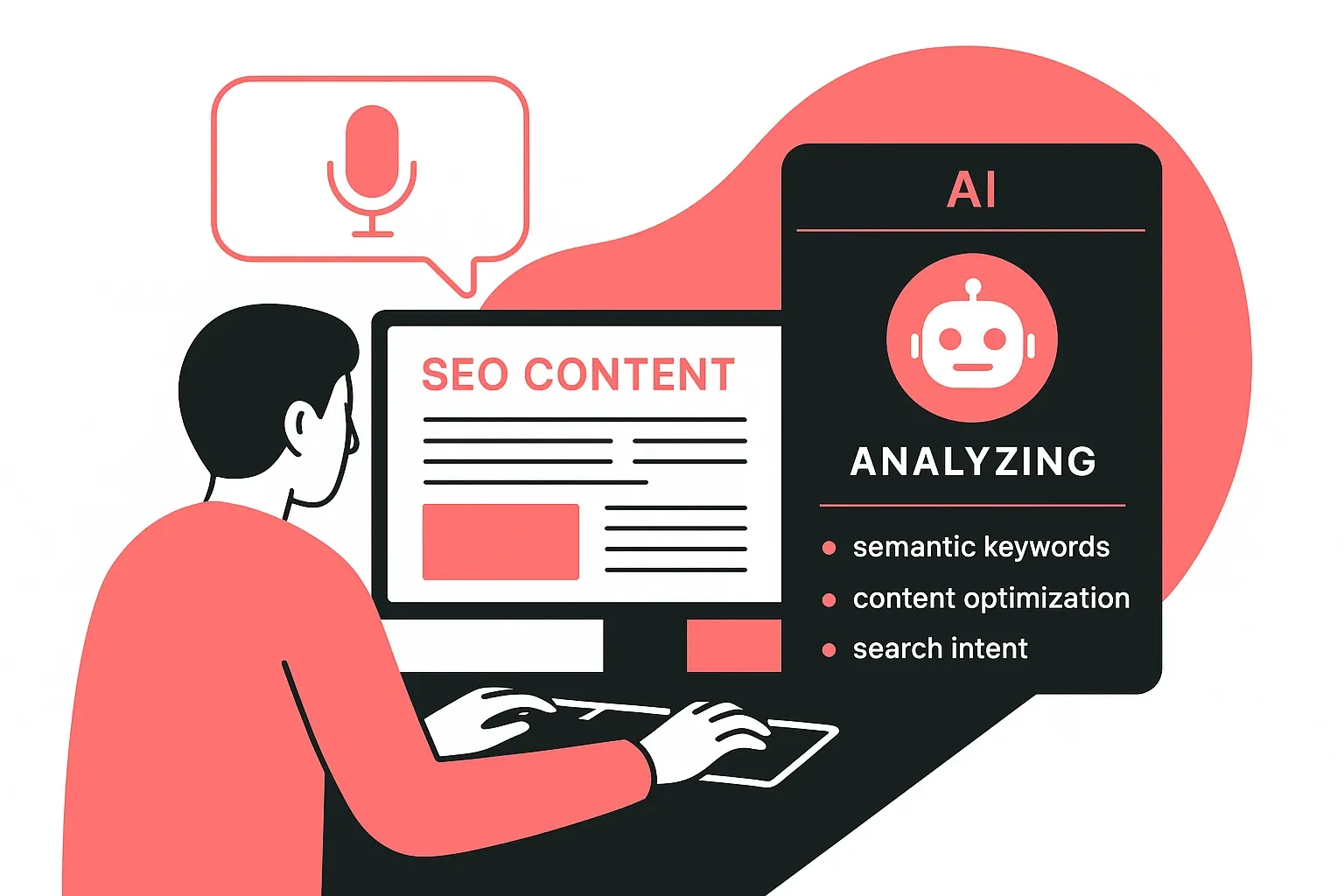
The rules of SEO are changing. Again.
As AI-driven search assistants like ChatGPT, Google’s Search Generative Experience (SGE), and voice interfaces reshape how people find information, traditional keyword stuffing and rigid optimization are becoming outdated.
Enter Semantic SEO — a smarter, more human-centered approach that helps your content make sense to both users and AI systems. It’s not just about what you write anymore — it’s about what your content means.
If your brand wants to stay visible in this new search ecosystem, understanding and applying Semantic SEO is key.
What Is Semantic SEO?
Semantic SEO is the practice of creating content that focuses on meaning and context instead of just keywords.
In simple terms, it helps search engines — and now AI assistants — truly understand what your page is about, how it relates to user intent, and why it’s relevant.
Instead of just matching phrases like “best SEO agency,” semantic SEO considers related concepts like:
- Digital visibility
- Search ranking improvement
- Organic growth strategy
It’s like speaking Google’s (and AI’s) native language — clearly, naturally, and meaningfully.
Why Semantic SEO Matters in the Age of AI
Search has evolved from keyword recognition to intent recognition.
AI systems no longer just fetch results — they interpret, summarize, and recommend. Whether it’s:
- Google SGE showing AI-generated summaries,
- ChatGPT curating branded content answers, or
- Alexa responding with a specific brand suggestion,
these systems rely on semantic understanding to determine what’s most relevant.
If your content isn’t optimized semantically, it risks getting ignored — even if it’s rich in keywords.
How Search Engines Use Semantics
Search engines now use AI models like BERT, MUM, and RankBrain to interpret the meaning behind queries.
For example:
- A user types: “How to make my website rank faster?”
- The AI identifies context: It’s not just about “ranking” — it’s about SEO techniques, performance optimization, and Google best practices.
Semantic SEO ensures your content aligns with that understanding.
The Building Blocks of Semantic SEO
To write for both AI and humans, your content needs depth, structure, and meaning. Here’s how to do it right:
1. Topic Clusters Over Keywords
Instead of targeting one keyword per page, focus on topics that interconnect.
Example:
- Main Topic: “Semantic SEO”
- Supporting Pages: “Entity-Based SEO,” “Search Intent Optimization,” “Content Contextualization”
This builds a semantic network that AI systems can easily understand and rank.
2. Search Intent Alignment
Every search query has an intent — informational, transactional, or navigational.
When you write, ask yourself: What does the user really want to know, do, or buy?
AI prioritizes results that directly satisfy that intent.
3. Use Entities and Relationships
Search engines use “entities” (people, brands, locations, events) to map meaning.
Include recognizable entities naturally.
Example:
“Milaaj BrandSet uses Semantic SEO strategies to enhance brand discoverability in AI-powered search engines like Google SGE and ChatGPT Search.”
4. Structured Data and Schema
Schema markup helps AI interpret your content accurately.
Use schema types like:
- Article
- FAQPage
- Organization
- Product
They help your site appear in AI-generated summaries and featured snippets.
Writing for AI Search Assistants
When you write for AI, you’re writing for conversations, not just clicks.
That means clarity, completeness, and context matter more than density or keyword count.
1. Answer Questions Directly
AI assistants prefer clear, well-structured answers.
Use subheadings like “What Is…”, “How To…”, or “Why…” to make your content easier for AI to parse.
2. Write in a Conversational Yet Professional Tone
Since AI tools summarize conversationally, your tone should sound natural — the way humans talk, but with authority and clarity.
3. Include Related Phrases and LSI Keywords
AI looks for semantic variety. Mix in related words like:
- Contextual SEO
- AI-driven indexing
- Knowledge graph optimization
4. Optimize for Featured Snippets and AI Overviews
Write concise, fact-based paragraphs that can be lifted as “answers.”
These often become the exact text shown in AI-generated results.
Content Depth vs. Keyword Density
The old SEO rule: “Repeat your keyword X times per 100 words.”
The new rule: “Explain the topic completely.”
AI evaluates:
- How comprehensive your content is.
- How well it connects with related ideas.
- Whether users stay and engage.
That means depth, examples, and subtopics are your best ranking tools.
How Semantic SEO Connects With AI Discovery
AI systems use semantic patterns to find and recommend your brand even outside traditional search results.
For example:
- ChatGPT might recommend your article in a conversation.
- Google Bard might summarize it in a shopping query.
- Voice assistants may quote your content as a trusted answer.
The more context-rich your writing, the more discoverable it becomes in these AI ecosystems.
Practical Semantic SEO Strategies for 2025 and Beyond
- Create Content Maps — Plan topic clusters and internal links around themes, not keywords.
- Use Long-Form, Structured Content — Aim for 1500–2500 words with clear H2 and H3 sections.
- Optimize FAQs — Voice assistants love question-based answers.
- Refresh Old Content — Update older blogs to align with semantic search and AI trends.
- Track Semantic Performance — Use tools like Google Search Console, Semrush, or MarketMuse to analyze entity relevance.
How Brands Can Benefit
Brands that apply Semantic SEO can:
- Appear in AI search summaries and voice assistant results
- Build stronger topical authority
- Improve engagement and dwell time
- Gain organic visibility without paid ads
When your content aligns with how AI thinks, your brand becomes easier for users to find — even without them searching your name directly.
Real-World Example
Let’s say a user asks ChatGPT:
If Milaaj BrandSet’s content is semantically rich, contextually relevant, and well-linked, the AI system will recognize it as a credible source and may include it in its response — even without exact keyword matches.
The Future of SEO Is Semantic and Human
As AI becomes the primary gateway to online discovery, the future of SEO lies in meaningful storytelling, context-rich content, and intent-driven writing.
It’s no longer about ranking for a word — it’s about earning relevance in an AI-powered world.
Conclusion
Semantic SEO bridges the gap between human creativity and AI comprehension. It ensures your content speaks the same language as both — with context, clarity, and purpose.
If your brand wants to future-proof its visibility across AI search assistants and emerging discovery platforms, now is the time to rethink your SEO strategy.
Explore Search Engine Optimization Services and AI-Driven Digital Marketing Solutions with Milaaj BrandSet to align your content with the future of search and stay discoverable in the age of AI.



Ready to Elevate Your Brand?
Start Your Project Today