October 18, 2025
Smart Checkout Experiences: Redefining Online Conversions
Milaaj Editorial / Research Insights
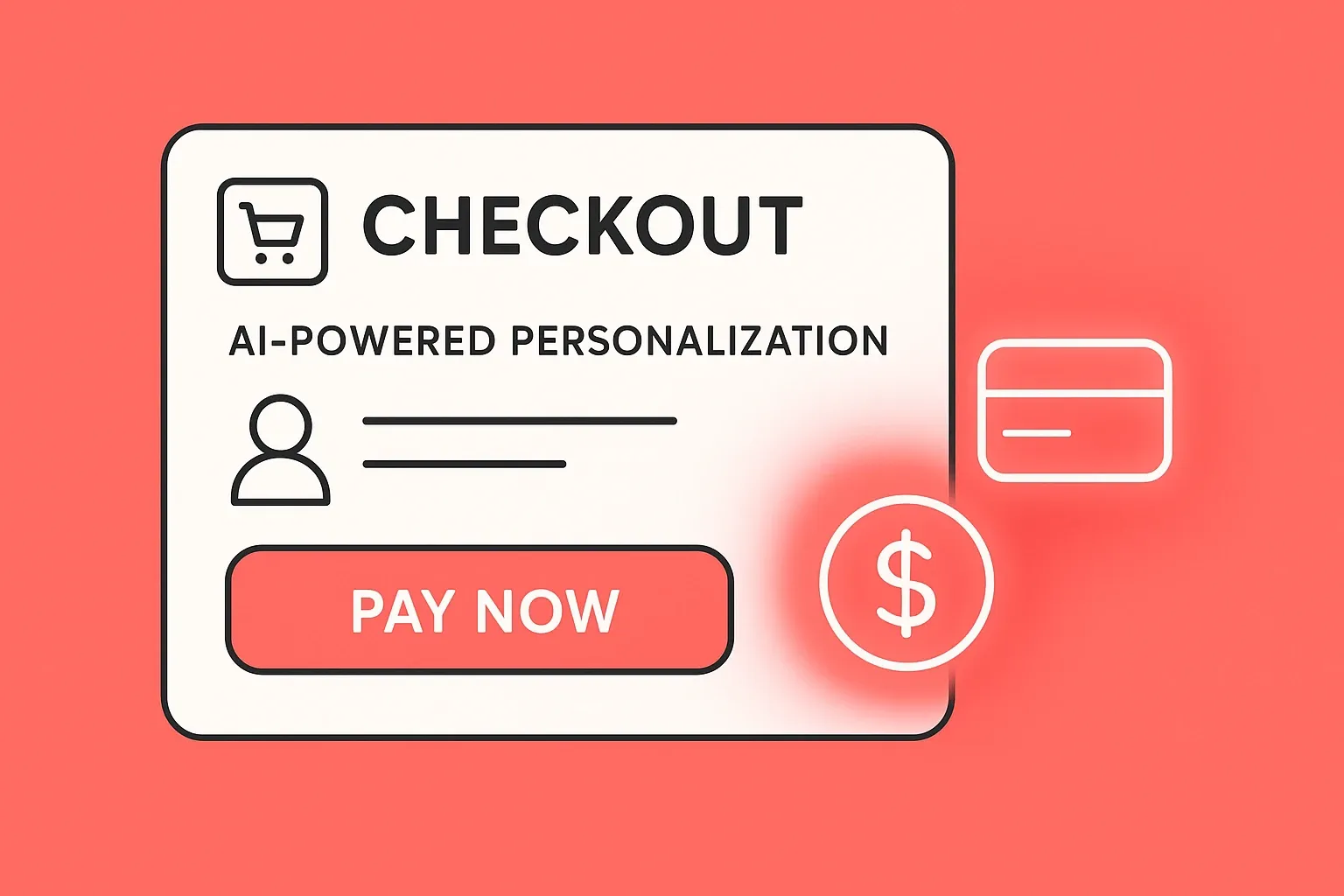
In today’s fast-moving digital world, online shoppers expect more than just great products—they expect a seamless, intuitive buying experience from start to finish.
The checkout page, once considered a simple final step, has evolved into a powerful conversion engine that can make or break a sale.
A smart checkout experience is not just about reducing steps—it’s about designing an intelligent, user-centric flow that anticipates customer intent, supports multiple payment options, builds trust, and removes friction.
Brands that optimize their checkout journeys see significantly higher conversion rates, lower cart abandonment, and stronger customer loyalty.
The Psychology Behind a Seamless Checkout
Every successful checkout flow taps into human psychology—reducing cognitive load, increasing trust, and reinforcing buyer motivation.
1. Simplicity and Cognitive Ease
Too many steps or unclear CTAs overwhelm users. Streamlined forms, clear progress indicators, and autofill features improve focus and confidence, making checkout feel effortless.
2. Trust and Transparency
Visible security badges, SSL encryption, and upfront cost visibility (no hidden charges) reassure buyers. Psychological studies show that transparency reduces hesitation and increases willingness to complete a purchase.
3. Urgency and Scarcity
Real-time notifications like “Only 2 left in stock!” or “Offer ends in 2 hours!” subtly drive decision-making. When implemented responsibly, urgency boosts conversions without feeling manipulative.
Key Components of a Smart Checkout Experience
1. Guest Checkout Options
A guest checkout eliminates the registration barrier. Nearly 30% of customers abandon their carts when forced to create an account. Allowing easy guest purchases followed by optional account creation improves conversion flow.
2. Auto-Fill and Smart Address Recognition
AI-powered address recognition speeds up the process while reducing input errors. Integrating with Google Address API or other smart input systems enhances user experience and accuracy.
3. Mobile-First Design
With mobile commerce dominating, responsive checkout layouts are no longer optional. Large buttons, minimal typing, one-click payments, and auto-focus fields help mobile users complete purchases seamlessly.
4. Multiple Payment Gateways
Support for diverse payment methods—credit/debit cards, PayPal, Apple Pay, Google Pay, and even BNPL (Buy Now, Pay Later)—caters to all customer preferences, improving trust and convenience.
5. Visual Progress Indicators
A simple 3-step indicator (Cart → Shipping → Payment) helps users understand how close they are to completing the purchase, reducing drop-off rates.
The Role of AI in Checkout Optimization
AI-Driven Personalization
Artificial intelligence analyzes real-time data to personalize checkout experiences. For instance, returning customers can be shown saved addresses, preferred payment methods, or even personalized discounts.
Dynamic Pricing and Smart Recommendations
AI systems predict purchase intent and suggest complementary products or upgrades without disrupting the checkout flow, increasing average order value.
Fraud Detection and Security
Machine learning models detect unusual purchase patterns and block fraudulent activities, ensuring customer confidence and platform integrity.
Reducing Cart Abandonment Through Smart Design
Simplified Form Fields
Every additional input field increases the likelihood of abandonment. Smart form design—using conditional logic to show only relevant fields—makes checkout faster.
Exit-Intent Popups
Detect when a user is about to leave and trigger a last-minute offer or reminder like “Your cart is saved for 24 hours!” These retain potential buyers without feeling intrusive.
Persistent Carts Across Devices
Cross-device synchronization ensures shoppers can resume checkout later on another device. This feature alone can recover up to 15% of abandoned carts.
Voice and One-Click Checkouts: The Future of Convenience
Voice-enabled checkouts and one-click systems are reshaping how people shop online.
Smart assistants like Alexa and Google Assistant now allow users to confirm orders with simple voice commands.
Meanwhile, platforms like Amazon pioneered one-click buying, a system that continues to redefine convenience in 2025 and beyond.
AI-driven predictive UX now determines when to offer one-click purchase options based on customer behavior and risk assessment, balancing speed with security.
Building Trust at Every Step
Consumers need reassurance throughout their journey—especially during payment.
Adding visual trust cues such as secure padlock icons, familiar payment logos, and buyer protection statements establishes confidence.
Additionally, offering post-purchase transparency (real-time tracking, instant invoices, easy returns) reinforces reliability.
Metrics That Matter: Measuring Checkout Performance
1. Cart Abandonment Rate
Tracks the percentage of shoppers who leave before completing payment.
A well-optimized checkout should aim for under 50% abandonment.
2. Conversion Rate
The ultimate success metric—calculated by dividing completed checkouts by total sessions reaching the payment page.
3. Time to Checkout
Shorter times indicate better UX efficiency. Continuous A/B testing helps identify friction points and eliminate bottlenecks.
4. Payment Success Rate
High failure rates can signal gateway issues, poor mobile optimization, or insufficient trust factors.
Conclusion: Designing Smarter Checkouts for the Modern Shopper
Smart checkout experiences are not just a UX improvement—they are strategic assets that directly impact conversions and customer loyalty.
By combining AI, intuitive design, and behavioral insights, businesses can deliver seamless, secure, and personalized checkout journeys.
If your brand is ready to optimize online conversions through intelligent checkout design and integrated e-commerce strategies, explore
Milaaj BrandSet’s E-Commerce Solutions
and
Milaaj BrandSet’s Digital Marketing Services
to unlock high-performance growth and next-gen retail experiences.

Ready to Elevate Your Brand?
Start Your Project Today