September 17, 2025
The Future of Social Commerce: How Shopping is Built Into Social Media in 2026
Milaaj Editorial / Research Insights
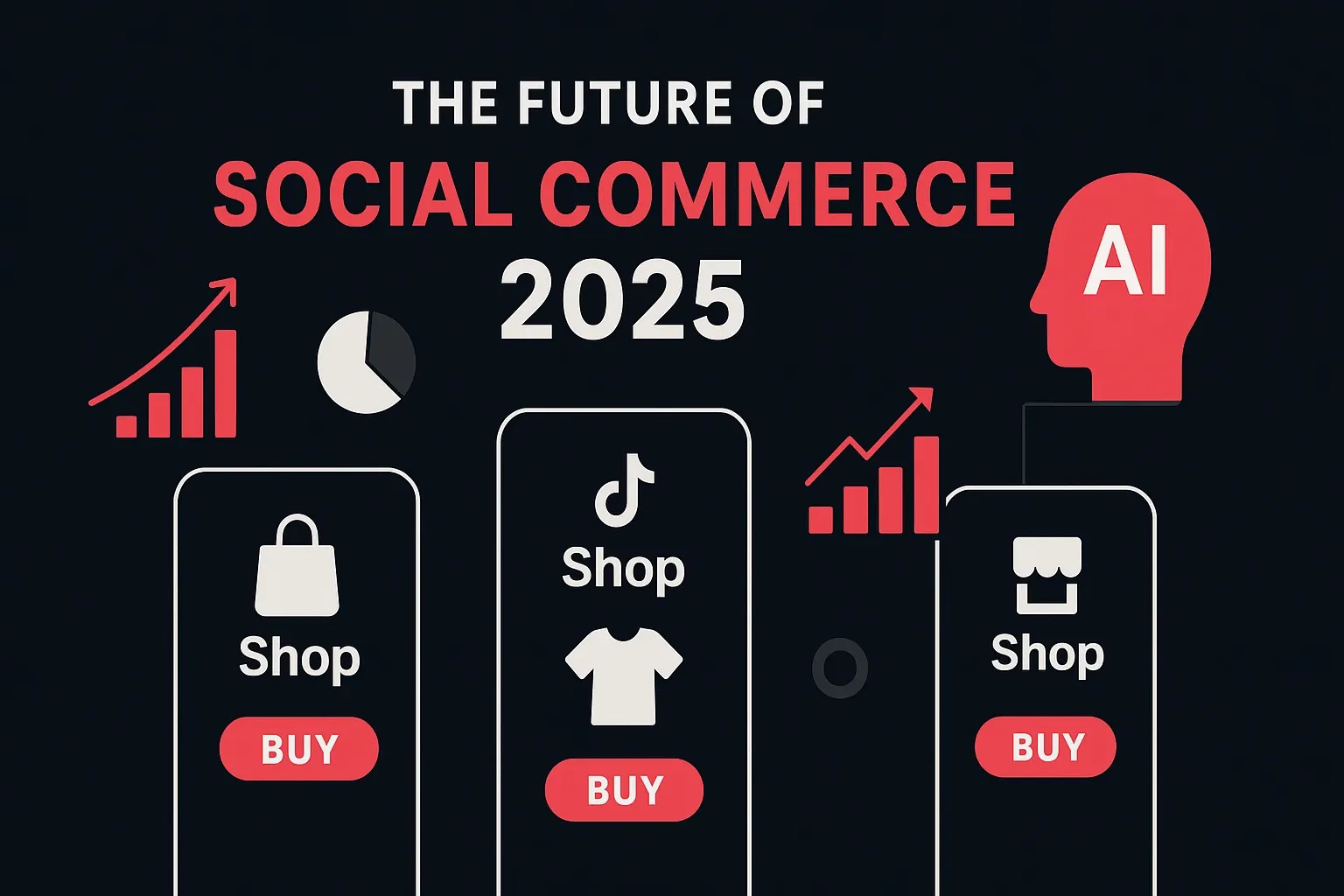
Shopping has always evolved with technology. From malls to e-commerce websites to mobile apps, every shift has brought consumers closer to convenience. But in 2026, the shopping experience has taken an even bigger leap: social commerce.
With platforms like TikTok, Instagram, and Facebook now integrating shoppable posts, live-stream shopping, and AI-driven recommendations, the line between social media and online shopping has blurred. For businesses, this means that brand growth, digital marketing, and e-commerce strategies must adapt to where customers are already spending their time social media.
This blog explores how social commerce is transforming in 2026, the platforms driving the trend, the strategies businesses should adopt, and how Milaaj BrandSet can help brands thrive in this new era.
1. What is Social Commerce?
Social commerce is the direct buying and selling of products through social media platforms. Unlike traditional e-commerce, where customers leave social apps to complete a purchase, everything happens in-app.
Examples in 2026 include:
- Instagram Shops: Brands showcase products with built-in checkout.
- TikTok Shop: Influencer-driven videos with direct shopping links.
- Facebook Marketplace 2.0: Integrated with AI for tailored recommendations.
- Pinterest Buyable Pins: Users shop products straight from pins.
👉 In short, social commerce removes friction, making shopping seamless, interactive, and instant.
2. Why Social Commerce Dominates in 2026
Several factors explain why social commerce has exploded:
- Mobile-First Shoppers: Over 80% of social media use is on mobile perfect for in-app shopping.
- Attention Economy: Users spend hours scrolling; adding shopping integrates into behavior.
- Influencer Marketing Growth: Creators drive trust and sales faster than ads.
- AI & Personalization: Platforms serve products based on browsing history and preferences.
- Gen Z & Millennials: These groups prefer discovering and buying directly on apps.
👉 For businesses, this means ignoring social commerce is no longer an option.
3. Platforms Leading Social Commerce in 2026
TikTok Shop
- Viral videos + instant shopping = sales boom.
- AI suggests products based on trending hashtags.
- Live shopping streams are now digital storefronts.
Instagram & Facebook Shops
- Seamless checkout without leaving the app.
- Strong visual storytelling + e-commerce integration.
- Influencer collabs amplify product visibility.
YouTube Shopping
- Integration of shoppable links in Shorts and livestreams.
- Perfect for product demos, reviews, and tutorials.
Pinterest Shopping
- Visual-first platform with buyable pins.
- Great for fashion, décor, and lifestyle brands.
👉 Each platform has its strength, but all are built for seamless, engaging shopping experiences.
4. Benefits of Social Commerce for Businesses
Adopting social commerce strategies in 2026 gives brands an edge:
- Higher Conversions: Frictionless checkout = fewer cart abandonments.
- Better Engagement: Shopping feels natural, not forced.
- Data-Driven Insights: Platforms provide real-time analytics.
- Influencer Integration: Leveraging trust to boost conversions.
- Brand Discovery: Social commerce algorithms expand reach beyond followers.
Businesses that invest now are seeing faster ROI compared to traditional e-commerce.
5. Emerging Social Commerce Trends in 2026
- AI-Powered Shopping Assistants – Personalized recommendations within apps.
- Live Commerce 2.0 – Influencers hosting interactive shopping events.
- Shoppable AR Filters – Try-before-you-buy experiences.
- Micro-Influencer Collaborations – Niche creators driving targeted sales.
- Social Wallets & One-Click Payments – Instant transactions with in-app wallets.
- Voice-Activated Shopping – Voice search + shopping inside platforms.
👉 These trends show that social commerce is not just convenience it’s a lifestyle shift.
6. Strategies for Businesses to Succeed in Social Commerce
1. Optimize Social Media Branding
Consistency across logos, visuals, and messaging is key.
🔗 Use: Social Media Branding
2. Invest in Paid Campaigns
Boost visibility with targeted ads on TikTok, Instagram, and YouTube.
🔗 Use: Paid Media Campaigns
3. Leverage Influencer Marketing
Collaborate with both micro and macro influencers for authentic promotion.
4. Create Video-First Content
Short-form videos and live streams convert faster.
🔗 Use: Video Ad Production
5. Build Seamless E-Commerce Integrations
Ensure your website supports easy redirection and tracking.
🔗 Use: E-commerce Services
6. Focus on UI/UX in Checkout
A smooth buying journey increases repeat purchases.
🔗 Use: UI/UX Design
👉 With the right mix of branding, content, and performance marketing, businesses can dominate social commerce in 2026.
7. Case Studies: Brands Winning at Social Commerce
- Fashion Retailers: Using Instagram Shops with AR filters to let customers “try on” outfits before purchase.
- Tech Brands: Hosting TikTok Live sessions with influencers for product launches.
- Local Businesses: Leveraging Facebook Marketplace with AI-driven location-based targeting.
These brands prove that social commerce works for businesses of all sizes.
8. The Future of Social Commerce Beyond 2026
Looking ahead, social commerce will grow even further with:
- Metaverse Shopping: Virtual malls integrated into platforms.
- Blockchain Payments: Crypto and NFTs tied into shopping experiences.
- Smarter AI Predictions: Platforms recommending not just products, but entire lifestyle bundles.
👉 Businesses that adapt now will be the leaders of the future shopping landscape.
9. FAQs on Social Commerce 2026
Q1. Is social commerce replacing e-commerce?
Not replacing, but complementing. Social commerce simplifies discovery and buying within apps, while e-commerce websites remain essential for full-scale catalogs.
Q2. Which industries benefit most from social commerce?
Fashion, beauty, tech, lifestyle, and food brands see the biggest results due to visual, shareable products.
Q3. How does AI improve social commerce?
AI analyzes behavior, serves personalized product recommendations, and optimizes ads for higher ROI.
Q4. Do small businesses benefit from social commerce?
Yes, small brands can reach larger audiences with minimal ad spend through organic reach and influencer collabs.
Q5. What’s the biggest mistake brands make?
Treating social commerce like traditional ads instead of interactive, authentic content.
Conclusion
By 2026, social commerce has evolved from trend to necessity. Consumers are no longer just scrolling they’re shopping, interacting, and buying directly within their favorite apps.
For businesses, this means opportunity: the chance to merge branding, marketing, and e-commerce into one powerful strategy. The brands that act today will own the shopping experience of tomorrow.
👉 Ready to dominate social commerce in 2026?
Milaaj BrandSet helps businesses create seamless E-commerce solutions, powerful Social Media Marketing campaigns, and engaging Video Ad Production that turn followers into loyal customers.


Ready to Elevate Your Brand?
Start Your Project Today