January 24, 2026
How To Do Social Media Marketing That Actually Converts
Milaaj Editorial / Research Insights
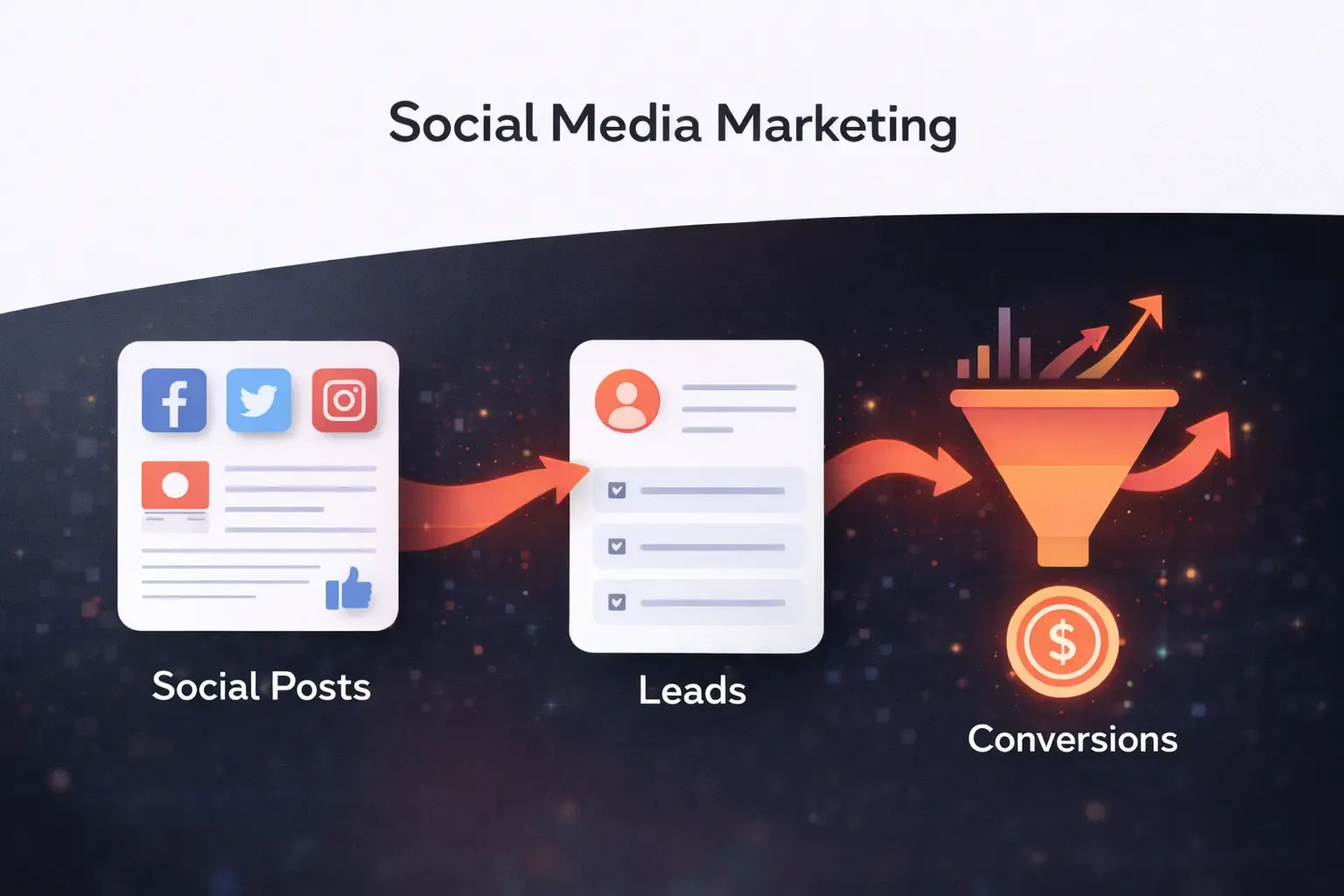
Social media marketing looks easy on the surface. Post consistently, gain followers, get likes, and increase reach. Yet many brands face the same frustration. Engagement grows, but sales do not.
The reason is simple. Visibility does not equal conversion.
Social media marketing that actually converts focuses on intent, trust, and action. It connects content with business goals instead of chasing vanity metrics.
This guide explains how to build a social media marketing strategy that drives real leads and revenue.
Why Most Social Media Marketing Fails to Convert
Many brands approach social media as a broadcasting channel rather than a conversion channel.
Engagement Without Strategy
Likes, comments, and shares feel encouraging, but they do not automatically lead to sales. Without a clear conversion path, users consume content and move on.
Posting Without Audience Intent
Content that ignores audience needs fails to move users forward. Entertaining posts alone rarely convert unless they support a deeper funnel.
What Conversion-Focused Social Media Marketing Really Means
Conversion-focused social media marketing aligns content with business outcomes.
Conversions Are Not Always Sales
A conversion can be:
- A profile visit
- A website click
- A lead form submission
- A DM inquiry
- A booking request
Every platform supports different conversion behaviors. Success comes from matching content to platform intent.
Build a Social Media Funnel That Converts
Social media works best as part of a structured funnel.
Awareness Stage Content
At this stage, users discover your brand. Content should educate, entertain, or highlight problems.
Examples:
- Educational posts
- Industry insights
- Short explainer videos
- Trend commentary
The goal is attention and relevance, not selling.
Consideration Stage Content
Now users evaluate whether your brand is right for them.
Examples:
- How-to content
- Case highlights
- Process explanations
- Value-driven posts
This content builds trust and authority.
Conversion Stage Content
Here, users are ready to act.
Examples:
- Clear service offers
- Testimonials
- FAQs
- Limited-time incentives
- Strong calls to action
This is where social media marketing actually converts.
Create Content That Drives Action
Content must guide users toward a next step.
Use Clear and Intent-Based CTAs
Avoid vague CTAs like learn more. Instead, use:
- Book a consultation
- Send us a message
- Download the guide
- Get a free audit
Clarity improves conversion rates.
Write for Humans, Not Algorithms
Authentic language converts better than polished corporate messaging. Speak directly to user pain points and outcomes.
Active voice and simple wording improve readability and trust.
Platform-Specific Conversion Strategies
Each platform supports conversions differently.
Instagram and Facebook
These platforms excel at visual storytelling and trust-building.
Best practices:
- Use stories for quick CTAs
- Highlight testimonials
- Optimize bio links
- Use DM automation carefully
LinkedIn works best for B2B and high-value services.
Focus on:
- Thought leadership posts
- Educational carousels
- Case-based storytelling
- Soft CTAs leading to conversations
TikTok and Short Video Platforms
Short-form video builds fast trust.
Winning strategies include:
- Problem-solution videos
- Behind-the-scenes content
- Educational hooks in the first seconds
- Clear verbal CTAs
Optimize Profiles for Conversion
Your profile is often the first conversion touchpoint.
Profile Optimization Essentials
Ensure:
- Clear value proposition
- Who you help and how
- Simple CTA
- Easy contact access
Profiles should act like landing pages.
Use Social Proof to Increase Conversions
People trust people more than brands.
Types of Social Proof That Convert
Include:
- Client testimonials
- User-generated content
- Before-and-after results
- Reviews and feedback
- Case outcomes
Social proof reduces hesitation and builds confidence.
Track the Right Metrics
To improve conversions, you must measure correctly.
Metrics That Matter
Focus on:
- Click-through rate
- Conversion rate
- Cost per lead
- DM inquiries
- Assisted conversions
Avoid obsessing over follower count alone.
How to Improve Conversion Rates Over Time
Conversion-focused social media requires constant optimization.
Test, Learn, Improve
Experiment with:
- Different hooks
- CTA placements
- Content formats
- Posting times
- Messaging angles
Small improvements compound quickly.
Common Mistakes That Kill Social Media Conversions
Avoid these issues:
- Posting without goals
- Over-promoting too early
- Ignoring comments and DMs
- Sending traffic to weak landing pages
- Inconsistent messaging
Conversions depend on the full user journey.
The Role of Paid Promotion in Conversions
Organic content builds trust. Paid promotion accelerates reach.
When combined strategically, paid social amplifies high-performing organic content instead of replacing it.
Conclusion
Social media marketing that actually converts requires more than frequent posting. It demands strategy, intent alignment, trust-building, and clear calls to action.
Brands that combine conversion-focused social media marketing, content-driven engagement, and data-backed optimization turn platforms into predictable revenue channels instead of awareness-only tools.
Frequently Asked Questions
Can social media really generate leads
Yes. When aligned with user intent and supported by strong CTAs, social media can consistently generate qualified leads.
Which platform converts best
It depends on your audience and offer. B2B brands often convert better on LinkedIn, while B2C brands see success on Instagram and TikTok.
How long does it take to see conversions
Some campaigns convert immediately, while others require weeks of trust-building and testing.
Do followers matter for conversions
Quality matters more than quantity. A smaller, engaged audience converts better than a large inactive one.
Is paid social necessary
Paid promotion helps scale results, but organic strategies can convert effectively with the right approach.
Ready to Elevate Your Brand?
Start Your Project Today