December 3, 2025
Social Proof Marketing: How Reviews and Testimonials Boost Sales
Milaaj Editorial / Research Insights
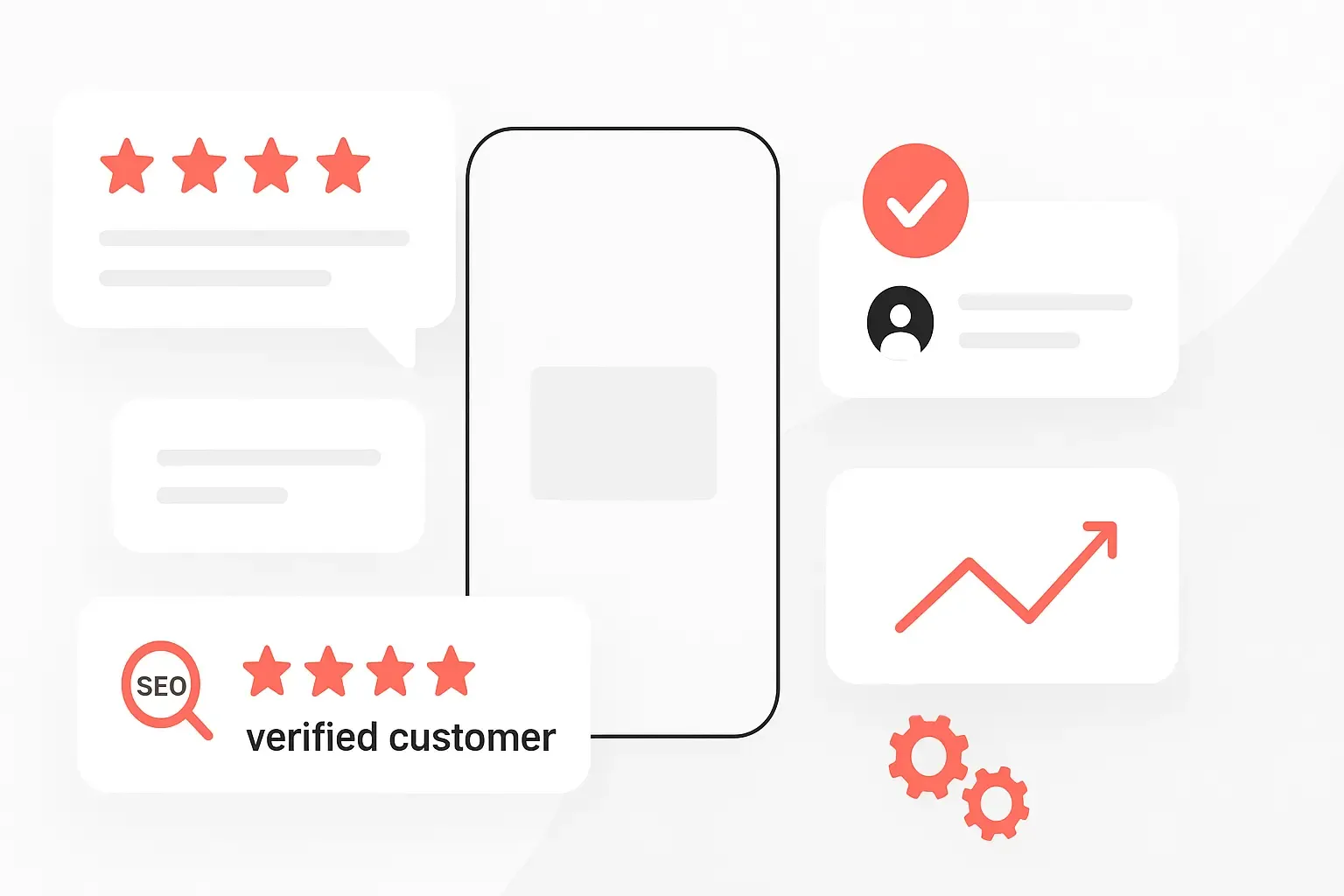
Building trust has always been at the heart of marketing, but today, customers rely on something far more powerful than brand promises: proof from real people. Social proof marketing taps into human psychology, showing potential buyers that others have already chosen, trusted, and benefited from a product or service. When people see others making confident decisions, they naturally feel more confident too.
In a competitive digital environment where attention is fragmented and skepticism is high, social proof is one of the strongest ways to boost conversions, reduce hesitation, and enhance a brand’s credibility. Let’s explore how reviews, testimonials, user-generated content, and other trust signals can meaningfully increase sales.
What Is Social Proof Marketing
Social proof marketing is the strategy of using real customer experiences, feedback, and actions to influence new buyers. It aligns with human behavior: when people are uncertain, they look to the actions of others for guidance. Online shoppers want reassurance before buying, and authentic reviews or testimonials provide exactly that.
Whether it is seeing a five-star rating, reading a detailed testimonial, or watching a customer video review, these signals work together to build emotional trust and logical confidence.
Why Social Proof Influences Buying Decisions
Social proof works because it reduces risk. When shoppers see that others have had positive experiences, it makes the product feel safer, more valuable, and more trustworthy. Key psychological principles behind this include:
People Trust People
Buyers believe real experiences more than marketing claims. Seeing genuine reviews or real customer photos creates a sense of reliability.
Fear of Making the Wrong Decision
Online buying can feel risky. Social proof eliminates uncertainty by showing that others have already tested and approved a product.
Desire to Belong
When people see that a product is popular or trending, they naturally want to join the group.
Authority and Expertise
Expert endorsements, influencer recommendations, and industry certifications strengthen credibility even further.
Types of Social Proof That Increase Sales
Customer Reviews
These are the most powerful and widely trusted form of social proof. Detailed reviews help address concerns, validate product quality, and showcase what customers love most.
Testimonials
Testimonials bring emotional depth to your brand story. They highlight how your product solves real problems and adds real value.
Ratings
A simple star rating can influence click-through rates and purchase behavior. Higher-rated products consistently outperform lower-rated ones.
Case Studies
Case studies offer structured storytelling backed by measurable results. They are especially effective for B2B brands and service-based businesses.
User-Generated Content (UGC)
Photos, videos, or posts created by customers add authenticity and relatability. UGC feels organic and trustworthy because it is created voluntarily.
Influencer and Expert Endorsements
Trusted public figures amplify credibility. Even nano-influencers with small but engaged followings can dramatically increase trust.
Real-Time Activity Notifications
For example:
- "Sarah from Dubai just purchased"
- "30 people are viewing this product now"
These micro-signals reassure shoppers that the product is active, relevant, and trusted by others.
Where to Use Social Proof for Maximum Impact
Homepage
Highlight customer wins, star ratings, or media mentions to make a strong first impression.
Product Pages
Place reviews and UGC directly next to product details. This creates instant trust and often boosts conversions significantly.
Landing Pages
Testimonials make landing pages more persuasive, especially for lead-generation campaigns.
Checkout Pages
A few well-placed reviews can reduce cart abandonment by easing final-moment doubts.
Email Campaigns
Showcasing customer success in email marketing improves open rates and conversion rates.
Ads
Social proof transforms ads from promotional to believable. Ads with reviews or customer quotes typically perform better.
How Social Proof Improves Conversions
Builds Emotional Trust
Reviews trigger emotions like relief, excitement, confidence, or belonging.
Strengthens Logical Justification
Testimonials provide proof that the product delivers results.
Overcomes Common Objections
Shoppers often find answers inside reviews:
- Is it worth the price?
- Does it really work?
- How is the quality?
- Is delivery fast?
Boosts SEO and Visibility
User-generated content helps with keyword variety, E-E-A-T signals, and ranking for long-tail queries.
Encourages Repeat Purchases
Customers who feel validated in their first purchase are more likely to return.
Best Practices for Using Social Proof Effectively
Display Recent Reviews
Fresh reviews signal that your brand is active and consistent.
Use Authentic, Unedited Feedback
Genuine content builds more trust than overly polished testimonials.
Add Names, Photos, or Locations
This makes the content feel real rather than staged.
Showcase Negative Reviews Carefully
A mix of positive and mild criticism makes the overall rating feel more believable.
Ask for Reviews at the Right Time
For example, right after delivery or after the customer has had time to use the product.
Highlight Success Metrics
For example:
- "92 percent customer satisfaction"
- "Over 10,000 customers served"
Numbers build immediate credibility.
SEO Benefits of Social Proof
Social proof strengthens your brand’s search performance in multiple ways:
- More keyword-rich content from users
- Higher engagement rates
- Improved E-E-A-T signals
- Reduced bounce rate
- Increased time spent on page
Search engines prioritize brands that users trust, and social proof directly helps demonstrate that trust.
Conclusion
Social proof is no longer optional. In a world where customers compare everything before buying, reviews, testimonials, and real experiences hold more value than any marketing message. By strategically displaying proof of trust across your website, landing pages, product pages, and ads, you can significantly increase conversions and build long-term brand loyalty.
If you want expert help in building social proof systems, improving brand trust, and optimizing your online presence, explore:
Ready to Elevate Your Brand?
Start Your Project Today