October 30, 2025
Sustainable E-Commerce: Building Ethical and Tech-Driven Stores
Milaaj Editorial / Research Insights
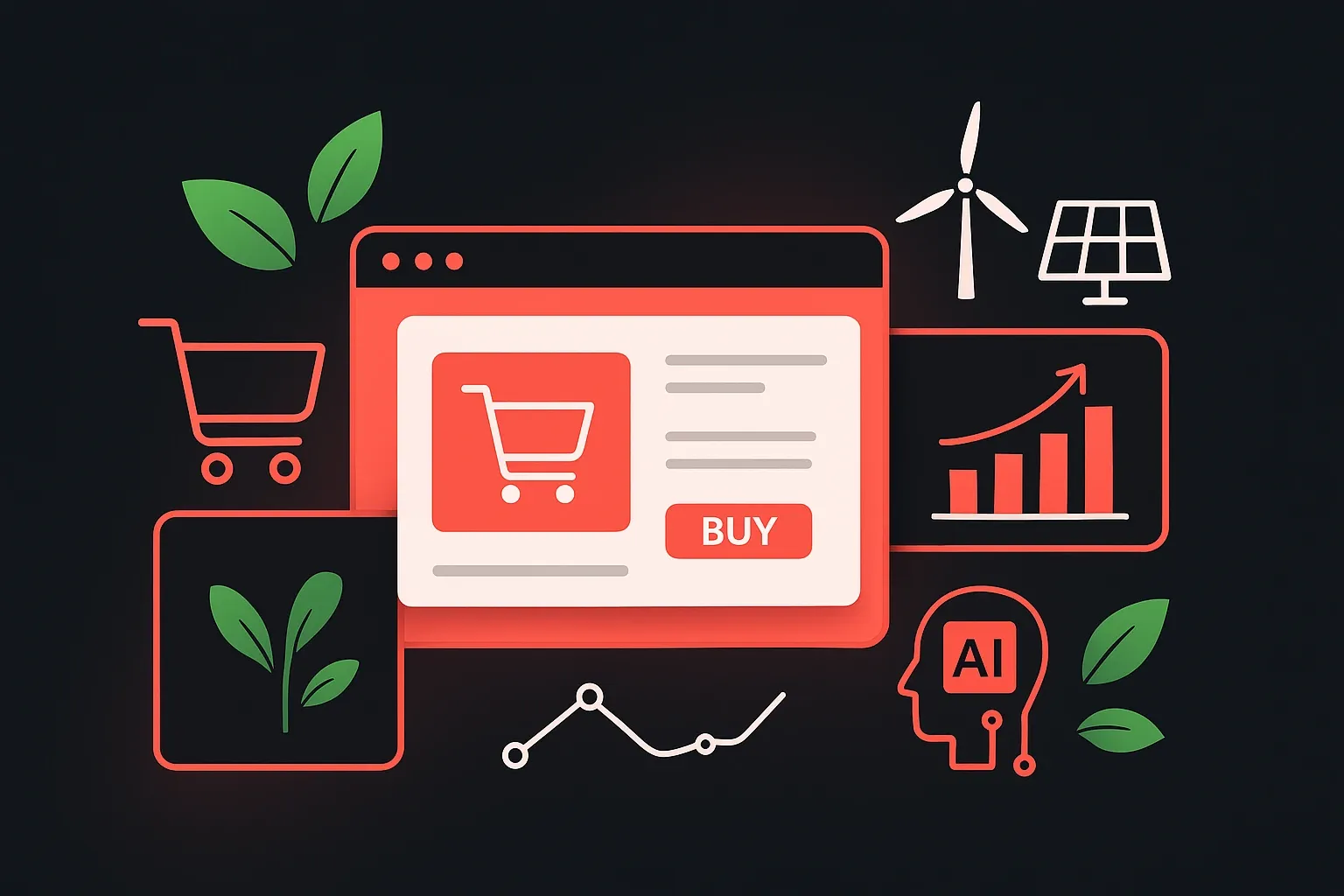
E-commerce has transformed how we buy, sell, and interact with brands — but it’s also transformed how we impact the planet. As online shopping expands, sustainability has become more than a marketing buzzword; it’s a business necessity.
Consumers today don’t just want fast delivery and low prices. They want ethical transparency, eco-friendly packaging, and a commitment to reducing carbon footprints. This shift marks the beginning of sustainable e-commerce — a powerful blend of innovation, responsibility, and conscious design.
Businesses that embrace sustainability early are already seeing benefits: higher trust, stronger brand loyalty, and increased conversions. Let’s explore how technology, design, and values are coming together to reshape the future of online retail.
Why Sustainability Matters in E-Commerce
Every part of an e-commerce operation — from servers to shipping — contributes to carbon emissions. For years, businesses ignored these effects in the name of convenience. But today, both consumers and corporations are realizing that environmental accountability drives long-term success.
1. Shifting Consumer Behavior
A majority of Gen Z and Millennial shoppers now say they prefer to buy from sustainable brands. They research packaging, sourcing, and company values before checking out. In other words, ethical transparency is now a conversion factor.
2. Brand Reputation and Loyalty
Consumers no longer trust brands that “greenwash.” They want measurable impact: carbon offsets, recyclable packaging, and ethical supply chains. Companies that invest in true sustainability are seeing repeat business and social media advocacy.
3. Future Regulations and Standards
Governments around the world are introducing stricter sustainability requirements for e-commerce. Adopting eco-conscious practices today ensures your business remains future-proof and compliant tomorrow.
The Technology Powering Sustainable E-Commerce
Sustainability and technology are not opposites — they are partners in progress. Advanced digital tools are helping businesses reduce waste, optimize energy, and enhance transparency.
1. AI-Powered Inventory Management
Artificial Intelligence helps e-commerce platforms predict demand accurately, ensuring fewer unsold items and lower waste. Smart algorithms track real-time sales data and automatically adjust production levels, preventing both overstock and resource exhaustion.
2. Blockchain for Ethical Supply Chains
Blockchain enables transparent record-keeping across supply chains. This technology allows customers to trace products back to their ethical origins, ensuring fair trade, sustainable sourcing, and authenticity.
3. Green Hosting and Cloud Solutions
Data centers consume massive amounts of energy. Green web hosting powered by renewable sources reduces emissions while maintaining top-tier performance. Many eco-conscious brands now host on carbon-neutral cloud providers.
4. Sustainable Packaging Innovations
AI and machine learning help brands choose the most efficient packaging size per order, reducing material waste and shipping costs. Recyclable, compostable, and biodegradable options are also becoming standard in modern fulfillment systems.
Designing for Ethical and Sustainable User Experience
The design of an online store plays a crucial role in sustainability — not just visually, but technically.
1. Lightweight and Energy-Efficient Websites
Every website visit uses energy. Optimizing your website for speed, performance, and simplicity can reduce the energy used per visitor. Using efficient images, minimal animations, and compressed files makes your site greener and faster.
2. Inclusive and Ethical UX Design
Designing with accessibility in mind — larger fonts, clear contrast, and keyboard-friendly navigation — not only supports inclusivity but reflects your brand’s ethical foundation.
3. Transparency in Product Storytelling
Show your users where materials come from, who made them, and how they impact the planet. Transparency builds trust — and trust drives conversion.
Eco-Friendly Fulfillment and Smart Logistics
The fulfillment stage is where e-commerce often produces the most emissions. But with the right technology and mindset, logistics can become a hub of innovation rather than pollution.
1. Carbon-Neutral Shipping
Brands are partnering with carbon offset programs and eco-friendly courier services to neutralize emissions from delivery. Many offer users the option to “ship green” at checkout — and customers are choosing it.
2. Local Warehousing and Route Optimization
AI-driven logistics systems map the shortest and most fuel-efficient routes, reducing transport emissions. Local micro-warehouses also allow faster and cleaner deliveries.
3. Smart Packaging Algorithms
Algorithms can determine the smallest box or material required for each order, eliminating unnecessary waste. Even better, customers appreciate packaging that’s minimal yet protective.
The Power of Conscious Consumerism
Conscious consumerism is at the heart of sustainable e-commerce. People want to feel connected to a cause through their purchases. They want to know that buying from your store supports the planet, not harms it.
By integrating eco-conscious branding — from visuals to messaging — brands can convert one-time buyers into long-term advocates. Social media plays a key role here, as users increasingly share and support eco-friendly businesses.
Example:
When brands showcase their sustainability efforts transparently on Instagram or their product pages — such as “made from 100% recycled plastic” — engagement and trust rise significantly.
Building the Future: The Next Wave of Sustainable E-Commerce
The next generation of e-commerce won’t just be digital — it’ll be responsibly digital.
Let’s look at what’s shaping the next phase of online sustainability:
1. AI-Enhanced Carbon Tracking
AI tools are emerging that automatically track carbon emissions per transaction, giving brands real-time sustainability reports.
2. Circular Commerce Models
From resale platforms to product recycling programs, circular models ensure nothing goes to waste.
3. Web3 and Decentralized Marketplaces
Blockchain-driven marketplaces could redefine transparency, ensuring ethical sourcing becomes the standard.
4. AR and Digital Twins
Digital twins — virtual models of your supply chain — help test eco strategies before real-world execution, saving resources and money.
Key Takeaways
- Sustainable e-commerce merges technology, ethics, and business strategy.
- AI, blockchain, and green hosting lead the sustainability revolution.
- Ethical design and transparent storytelling foster consumer trust.
- Conscious logistics and carbon-neutral delivery enhance brand value.
- The future of e-commerce is ethical, circular, and data-driven.
FAQs
1. What is sustainable e-commerce?
Sustainable e-commerce refers to online retail practices that prioritize environmental protection, ethical production, and energy-efficient technology.
2. Why should online stores focus on sustainability?
It reduces carbon footprints, improves brand image, builds customer trust, and aligns your business with future regulatory standards.
3. What technologies support sustainable e-commerce?
AI for inventory management, blockchain for supply chain transparency, and green hosting are leading tools making e-commerce sustainable.
4. How can small businesses implement sustainability easily?
Start by switching to green web hosting, using eco packaging, and sharing transparent sustainability updates with customers.
5. Is sustainable e-commerce profitable?
Yes — sustainable brands enjoy higher customer retention, better SEO rankings, and stronger long-term growth.
Conclusion – Building the Future of Sustainable E-Commerce
Sustainable e-commerce isn’t a passing movement — it’s a long-term evolution of how digital businesses create value responsibly. By combining green technology, ethical design, and AI-driven efficiency, brands can achieve both growth and goodwill.
Whether you’re a startup aiming to reduce your environmental footprint or an established retailer transitioning toward ethical operations, embracing sustainability now ensures your business stays future-proof.
If you’re planning to create an eco-friendly online store that delivers both performance and purpose, explore E-Commerce Development Services in Dubai.
And for brands aiming to grow visibility through conscious, data-driven strategies, Digital Marketing Solutions by Milaaj BrandSet can help you scale sustainably.
By aligning technology with responsibility, your brand can lead the new era of ethical, tech-driven e-commerce success.


Ready to Elevate Your Brand?
Start Your Project Today