December 23, 2025
UX Personalization: How Websites Will Think for Users
Milaaj Editorial / Research Insights
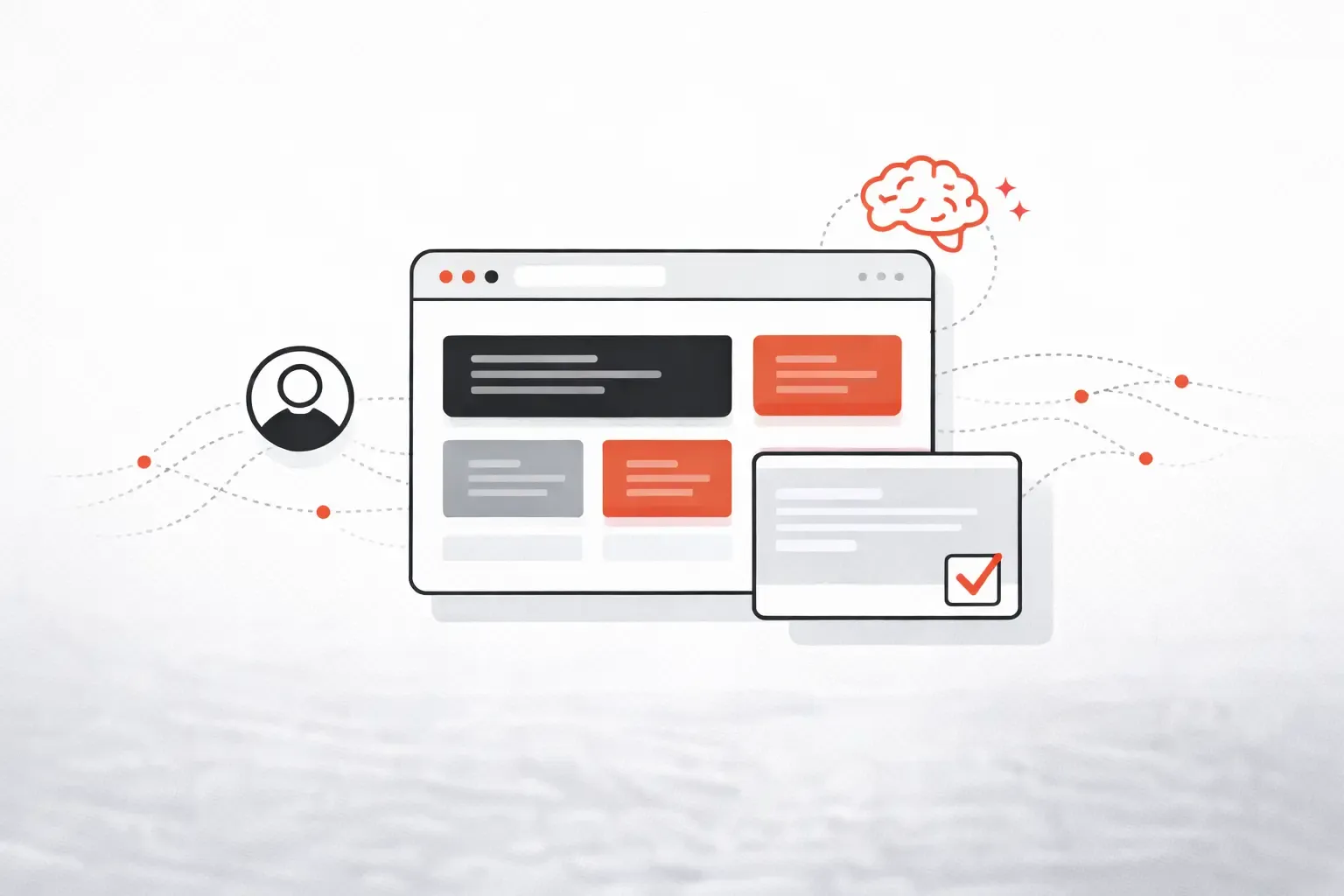
Websites are no longer static destinations. They are becoming adaptive experiences that respond, learn, and evolve based on how users behave, think, and interact.
UX personalization is reshaping how people experience the web. Instead of forcing users to adapt to websites, modern digital experiences adapt to users. The goal is simple: reduce effort, remove friction, and guide people naturally toward what they need.
As attention spans shorten and expectations rise, websites that think for users will outperform those that simply display information.
What UX Personalization Really Means
UX personalization goes beyond showing a user’s name or recommending products. It is about designing experiences that change dynamically based on intent, behavior, and context.
Personalized UX focuses on:
- Understanding user goals
- Anticipating next actions
- Adapting layouts and content
- Reducing unnecessary decisions
A personalized website feels intuitive, not intrusive.
Why Users Expect Websites to Think for Them
Digital habits have changed. People expect speed, relevance, and clarity.
Users want websites that:
- Remember preferences
- Show relevant content quickly
- Reduce steps to completion
- Offer guidance without confusion
When a website understands users, it earns trust and attention.
Behavioral Data as the Foundation of Personalization
Websites learn through behavior, not assumptions.
Behavioral signals include:
- Pages visited
- Time spent on content
- Click patterns
- Scroll depth
- Device and location context
This data helps websites adapt experiences in real time, improving relevance without guessing.
Intent-Based UX Over Demographics
Modern personalization focuses less on who users are and more on what they want right now.
Intent-based UX:
- Responds to user actions
- Adjusts messaging dynamically
- Prioritizes relevance over segmentation
This shift improves accuracy and reduces friction.
How Personalization Reduces Cognitive Load
Too many choices overwhelm users. Personalization simplifies decision-making.
Effective UX personalization:
- Highlights the most relevant options
- Hides unnecessary content
- Guides users step by step
When users think less, they act more.
Personalized Navigation and Layouts
Navigation does not need to be the same for every user.
Adaptive navigation can:
- Surface frequently visited sections
- Adjust menus based on intent
- Highlight relevant paths
This creates smoother journeys and faster conversions.
Content That Adjusts to User Context
Content personalization ensures users see what matters most.
Examples include:
- Showing beginner content to new users
- Displaying advanced options to returning users
- Adapting messaging based on behavior
Context-aware content feels helpful, not repetitive.
UX Personalization and Conversion Optimization
Personalized experiences convert better because they feel relevant.
Benefits include:
- Higher engagement
- Reduced bounce rates
- Faster decision-making
- Improved conversion rates
When UX aligns with intent, conversions follow naturally.
Balancing Personalization and Privacy
Personalization must be ethical and transparent.
User-friendly personalization:
- Respects consent
- Avoids sensitive assumptions
- Explains value clearly
Trust is essential. Without it, personalization fails.
AI’s Role in Adaptive UX
AI enables websites to learn continuously.
AI-driven UX personalization allows:
- Predictive recommendations
- Real-time experience adjustments
- Pattern recognition across journeys
AI helps websites think, but design ensures they feel human.
Personalization Without Over-Automation
Over-personalization can feel controlling.
Good UX design:
- Maintains user freedom
- Offers options without forcing paths
- Supports exploration
The best websites guide users without limiting them.
Why UX Personalization Improves Long-Term Engagement
Personalized UX builds familiarity and comfort.
Long-term benefits include:
- Higher retention
- Stronger loyalty
- Increased lifetime value
Users return to experiences that feel effortless.
The Future of Thinking Websites
Websites will continue to evolve from interfaces into intelligent systems.
Future UX personalization will:
- Anticipate needs earlier
- Adapt faster
- Focus on emotional comfort
- Blend seamlessly into daily behavior
Thinking websites will not replace choice. They will support it.
Conclusion
UX personalization is not about control. It is about care.
Websites that think for users reduce friction, respect attention, and guide decisions naturally. They create experiences that feel intuitive rather than overwhelming.
If you are designing digital experiences that prioritize user behavior, intent, and comfort, expert support in UI and UX design and conversion-focused digital strategy can help build adaptive, user-first platforms.
The future of UX is not louder design. It is smarter design.
Frequently Asked Questions
What is UX personalization
UX personalization is the practice of adapting website experiences based on user behavior, intent, and context.
How does UX personalization improve conversions
By reducing friction and showing relevant content, personalization helps users make decisions faster.
Is UX personalization the same as content personalization
Content personalization is one part of UX personalization, which also includes layout, navigation, and interaction design.
Does personalization harm privacy
No, when implemented transparently and ethically with user consent.
Can small businesses use UX personalization
Yes. Even simple personalization strategies can significantly improve engagement.
Will AI fully control UX in the future
No. AI supports decision-making, but human-centered design remains essential.



Ready to Elevate Your Brand?
Start Your Project Today