December 19, 2025
Why Visual Minimalism Is Making a Comeback in Branding
Milaaj Editorial / Research Insights
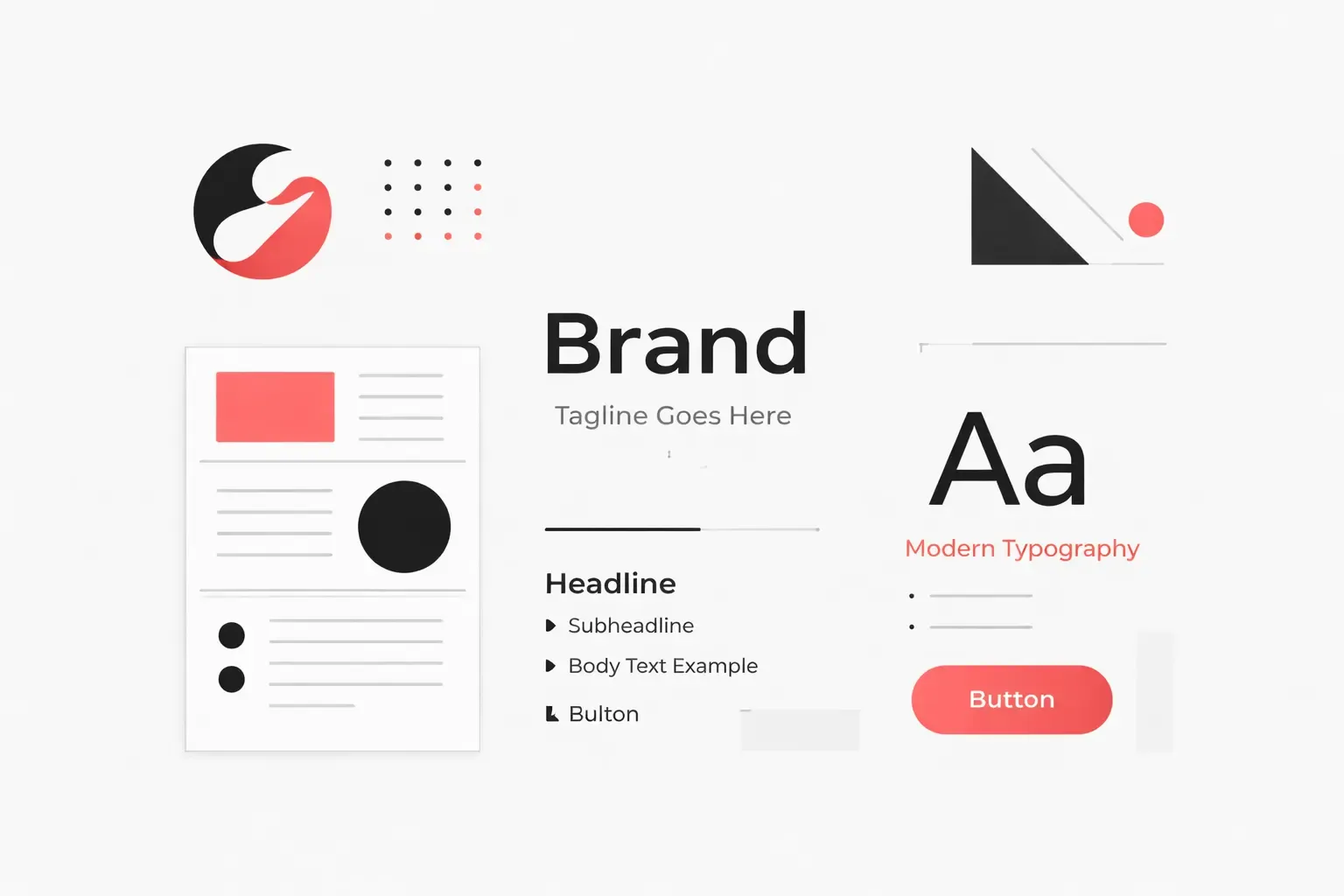
Branding trends often move in cycles, but visual minimalism is not returning as a trend. It is returning as a necessity.
In a digital world saturated with noise, animation, pop-ups, and endless content, brands are rediscovering the power of simplicity. Clean layouts, restrained color palettes, and focused messaging are once again capturing attention, not because they are loud, but because they are calm.
Visual minimalism is making a comeback because modern audiences are overwhelmed, distracted, and selective. Brands that offer clarity stand out.
What Visual Minimalism Really Means
Visual minimalism is not about removing personality or making designs empty. It is about intentional design.
Minimalist branding focuses on:
- Clear visual hierarchy
- Purposeful use of space
- Limited but meaningful color usage
- Simple typography
- Focused messaging
Every element has a role. Nothing exists without purpose.
Why Audiences Are Responding to Minimal Design
Digital Fatigue Is Real
Users are exposed to thousands of visual messages every day. Complex designs increase cognitive load and cause disengagement.
Minimal design feels lighter and easier to process. It respects the user’s attention.
Clarity Builds Trust
When branding is clean and focused, users feel more confident. Clear visuals communicate professionalism, control, and reliability.
Minimalism reduces confusion and increases perceived credibility.
Simplicity Improves Recall
Simple designs are easier to remember. When fewer elements compete for attention, the brand message becomes stronger and more recognizable.
How Minimalism Enhances Brand Identity
Stronger Brand Recognition
Minimal branding relies on consistency. Repeated use of core elements helps brands become instantly recognizable across platforms.
Timeless Design Over Trends
Minimalist brands age better. They are less tied to visual trends and more focused on lasting identity.
This longevity reduces the need for frequent rebranding.
Clear Emotional Positioning
Minimalism allows emotion to come through subtly. Space, typography, and tone communicate confidence, calm, and sophistication.
Minimalism and Digital-First Branding
Digital platforms reward clarity. Websites, mobile apps, and social feeds perform better when design supports usability.
Minimalist design:
- Loads faster
- Works better on mobile
- Improves accessibility
- Enhances user experience
Good UX and minimalist branding naturally support each other.
The Role of White Space in Modern Branding
White space is not empty space. It is a design tool.
It:
- Guides attention
- Improves readability
- Highlights key messages
- Creates visual balance
Brands that use white space well feel premium and intentional.
Minimalism in Logos and Visual Systems
Many brands are simplifying logos, icons, and visual systems. Flat design, simplified marks, and scalable systems work better across digital environments.
Logos today must perform on:
- Mobile screens
- Social media profiles
- Apps
- Websites
- Small interfaces
Minimalism ensures adaptability without losing identity.
Minimalism Does Not Mean Lack of Personality
This is a common misconception. Minimal brands still have strong personalities.
Personality comes from:
- Tone of voice
- Typography choices
- Micro-interactions
- Visual rhythm
- Content style
Minimalism removes distractions so personality can shine.
Why Minimalism Converts Better
From a performance perspective, minimal design improves results.
Benefits include:
- Faster decision-making
- Reduced friction
- Clear calls to action
- Better content engagement
Users convert more easily when they are not overwhelmed.
Common Mistakes When Adopting Minimalism
Not all minimalist branding is effective. Common errors include:
- Removing too much context
- Lack of hierarchy
- Weak typography choices
- Over-simplification without strategy
Minimalism must be guided by purpose, not aesthetics alone.
The Future of Minimalist Branding
Minimalism will continue to evolve, not disappear. As technology advances, simplicity becomes more valuable.
Future-focused minimalist branding will:
- Adapt across platforms
- Support accessibility standards
- Balance emotion and function
- Align design with behavior
Minimalism is not about less design. It is about better design.
Conclusion
The comeback of visual minimalism reflects a deeper shift in how people interact with brands. Users want clarity, calm, and confidence, not clutter.
Brands that embrace simplicity with intention create stronger identities, better experiences, and deeper trust.
If you are refining your brand presence, exploring professional support in brand identity design and UI-focused digital experiences can help align your visuals with modern expectations.
Minimalism is not a trend to follow. It is a mindset that lasts.
Frequently Asked Questions
What is visual minimalism in branding
Visual minimalism focuses on clarity, simplicity, and intentional design by using fewer elements to communicate a stronger message.
Why is minimal branding becoming popular again
Because users are overwhelmed by visual noise and prefer clean, easy-to-understand brand experiences.
Does minimalist branding work for all businesses
Yes, when applied thoughtfully. The key is aligning minimalism with brand values and audience expectations.
Is minimalism the same as plain design
No. Minimalism removes unnecessary elements while preserving personality, emotion, and purpose.
Can minimalist branding improve conversions
Yes. Clear layouts and focused messaging reduce friction and help users make decisions faster.
Will minimalist branding last
Minimalism is timeless because it prioritizes clarity and usability over trends.



Ready to Elevate Your Brand?
Start Your Project Today