December 4, 2025
Web Design Psychology: How Layout Shapes Trust and Conversions
Milaaj Editorial / Research Insights
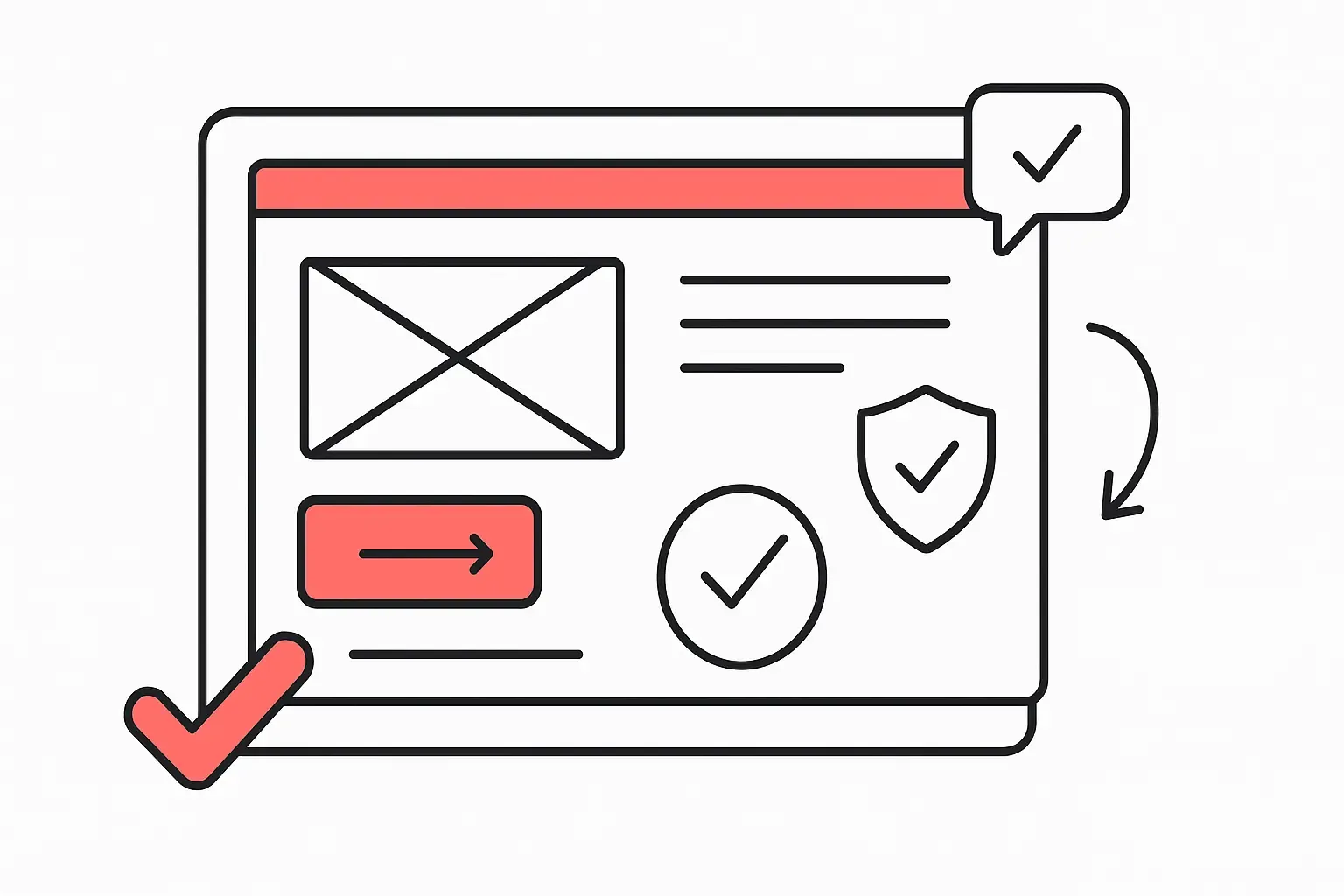
A website is more than visuals, code, or content; it is a psychological experience. Every color, shape, spacing choice, and layout structure sends an emotional signal that tells the visitor whether they should trust your brand—or leave immediately.
Modern users make a trust decision in a fraction of a second. Before they read a headline or click a button, they instinctively judge layout clarity, visual order, and perceived credibility. This is where web design psychology becomes a powerful business tool. When applied intentionally, it transforms a website from a simple digital presence to a persuasive environment designed to guide users toward action.
In this deep dive, we’ll explore how layout influences trust, behavior, and conversions—and how businesses can use psychological design principles to create websites that feel intuitive, credible, and conversion-ready.
1. First Impressions Happen in 50 Milliseconds
Studies show users form an immediate impression of a website within 0.05 seconds. This means the visual structure of your layout—spacing, alignment, typography, and colors—dictates whether a visitor:
- trusts your brand
- feels safe exploring
- believes your business is professional
- decides to convert
A confusing or cluttered layout instantly lowers credibility. In contrast, a clean, balanced design conveys reliability and competence.
Implementing smart structure with expert UI/UX design ensures your layout provides clarity from the moment it loads.
2. The Power of Visual Hierarchy
Visual hierarchy is the backbone of persuasive design. It guides the eyes, sets priorities, and tells users what to focus on.
A strong hierarchy uses:
- Bold headlines
- Strategic whitespace
- Clear CTAs
- Strong contrast
- Distinct sections
- Predictable navigation
When users instantly understand the structure, they feel in control. This sense of control is a key psychological trigger for trust and engagement.
Businesses that partner with professional web development teams often see higher conversion rates because their layouts are intentionally crafted—not assembled randomly.
3. Layout Predictability Builds Trust
People trust what feels familiar. Layout predictability doesn’t mean your site should look generic—it means users should know where things are without thinking.
Predictable layout elements include:
- Logo at top-left
- Navigation at the top
- Consistent heading styles
- Buttons in the expected positions
- Contact or CTA in the footer
- Logical section flow
When a website breaks predictable patterns, users feel uneasy and hesitate. Predictability subconsciously communicates:
- The brand is professional
- The business is organized
- The experience is safe
This psychological comfort is essential for conversions.
4. Whitespace Reduces Cognitive Load
Whitespace (or negative space) is one of the most powerful trust builders in web design. It creates breathing room, reduces overwhelm, and directs attention.
Benefits of whitespace include:
- improved readability
- clearer focus areas
- better content flow
- more professional appearance
- increased perception of luxury
Luxury brands, SaaS platforms, and premium services use whitespace intentionally to signal quality and exclusivity.
A well-crafted layout supported by thoughtful custom web development ensures whitespace enhances the design rather than leaving it looking empty.
5. Color Psychology Shapes Emotion and Decision-Making
Colors influence how users feel and behave. For example:
- Blue builds trust
- Green signals clarity and growth
- Red triggers urgency
- Black & white feel premium and modern
Your brand already uses Fiery Rose (#ff5365), black, and white—a combination that creates contrast, energy, and confidence.
Incorporating consistent colors across calls to action, icons, sections, and highlights is crucial. This builds recognition and reinforces emotional cues throughout the user journey. When aligned with strong brand identity development, color psychology becomes a strategic asset.
6. The Psychology of Navigation Simplicity
Users don’t explore websites—they scan them. When navigation is complicated, conversions drop quickly.
Effective navigation should be:
- short
- clear
- predictable
- minimal
- organized by user intent
A good rule:
If a user cannot find what they need within 3 seconds, the layout has failed.
Combining intuitive navigation with a well-planned digital marketing approach ensures users always find the content most aligned with their goals.
7. Trust Signals Increase Conversion Confidence
Trust must be visible. Visitors look for psychological markers that validate the brand’s credibility.
Key trust signals include:
- testimonials
- security badges
- certifications
- case studies
- consistent visuals
- recognizable branding
- fast page load speed
- transparent copy
- professional visuals
These elements reduce friction and reassure users they’re making a safe decision. Layouts that highlight trust signals early in the page typically see higher conversions.
8. CTA Placement Influences Action Behavior
A CTA is not just a button—it’s a psychological trigger.
Strategic CTA placement involves:
- placing primary CTAs above the fold
- using contrasting colors
- supporting each CTA with microcopy
- using verbs that imply benefits
- repeating CTAs along long pages
- ending sections with action-oriented prompts
Well-designed CTAs guide users through an intentional journey, nudging them toward conversion without pressure.
9. Mobile Layout Psychology
With most traffic coming from mobile, layout psychology must adjust to smaller screens.
Key mobile behaviors include:
- faster judgments
- shorter attention spans
- preference for vertical flow
- thumb-friendly interactions
- need for simplified navigation
Improving mobile flow with smart UI/UX design ensures mobile users feel the same level of trust as desktop users—and convert just as well.
Final Thoughts
Web design psychology isn’t about aesthetics alone—it’s about understanding human behavior. A layout that feels intuitive, trustworthy, and emotionally aligned with the user’s expectations automatically boosts conversions.
Businesses that prioritize structured design, clear layouts, and psychologically grounded UX consistently perform better—because users experience less friction and more confidence.
As your digital presence grows, partnering with a team like Milaaj BrandSet helps blend strategic design, user psychology, and modern development into websites that don’t just look good but influence how users think, feel, and convert.
FAQs
1. Why does web design psychology matter for business websites?
Because users make trust decisions instantly. Psychological design creates a layout that feels reliable, credible, and conversion-friendly.
2. How does layout impact user trust?
Clarity, structure, spacing, and predictability make users feel safe. Clutter or confusing layouts damage trust quickly.
3. What design elements increase conversions?
Strong visual hierarchy, CTA placement, color psychology, and clear navigation.
4. Can small businesses apply web design psychology without big budgets?
Yes. Simple changes—better spacing, predictable layouts, clean colors—improve conversions significantly.
5. Does professional UI/UX design make a difference?
Absolutely. Expert UI/UX design ensures your layout is built around user behavior, improving trust and conversions long-term.
Ready to Elevate Your Brand?
Start Your Project Today