March 3, 2026
Why Traditional SEO Alone No Longer Works for Modern Brands
Milaaj Editorial / Research Insights
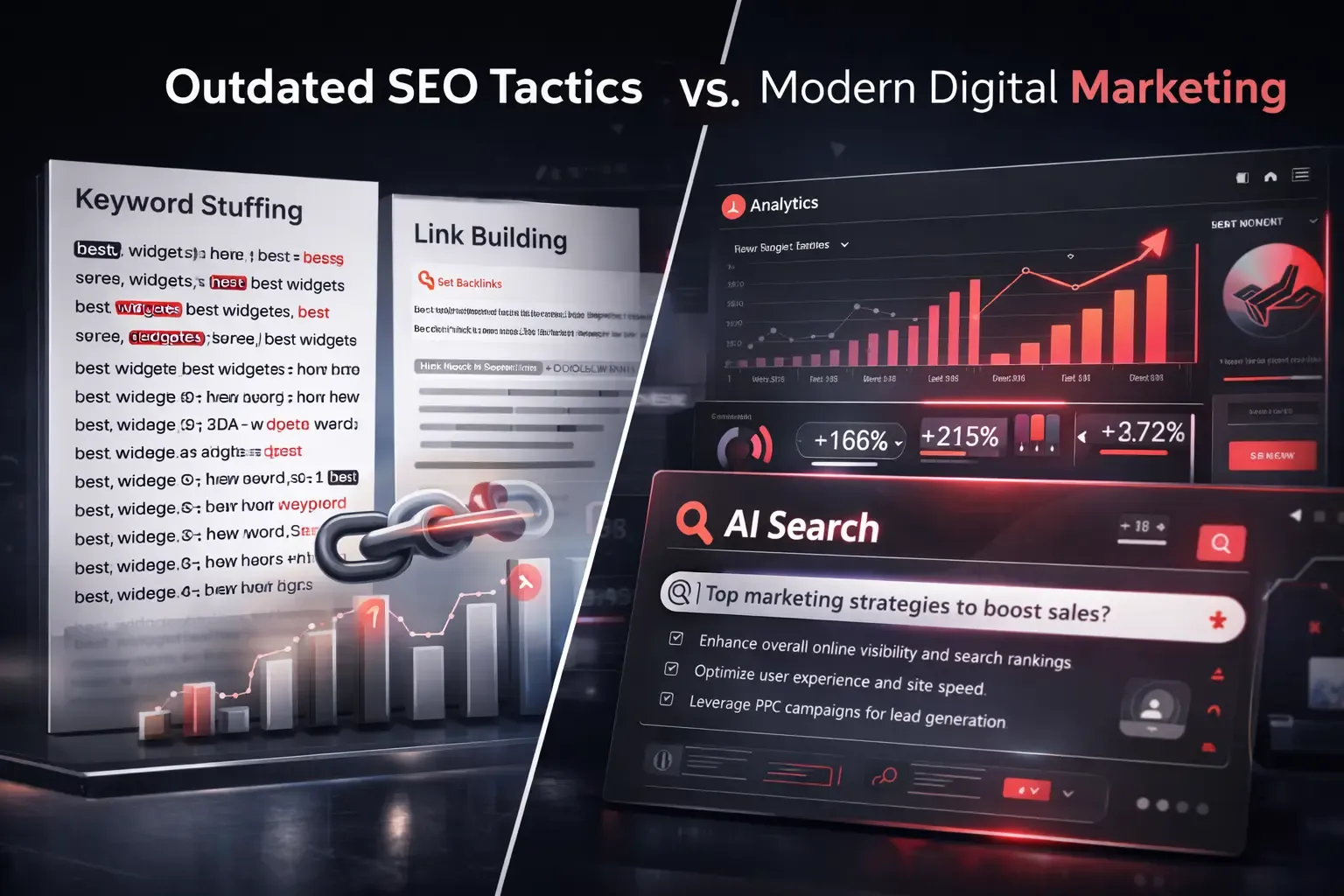
Search engine optimization has evolved far beyond keywords and backlinks. While traditional SEO tactics once delivered reliable results, today’s digital environment demands a more comprehensive approach.
Modern search engines evaluate user behavior, intent satisfaction, content depth, and overall experience. Brands that rely only on outdated tactics often struggle to maintain rankings, traffic, and conversions.
Understanding why traditional SEO no longer works in isolation helps businesses adapt before performance declines.
What Traditional SEO Focused On
Traditional SEO strategies were largely technical and mechanical. They emphasized optimization tasks that could be executed without deeply understanding the user.
Common tactics included:
- Exact-match keyword targeting
- High-volume backlink building
- Directory submissions
- Meta tag optimization
- Basic on-page SEO formatting
While these elements still matter, they represent only a portion of modern ranking signals. Today, technical execution without strategic depth is not enough.
Search Intent Now Drives Visibility
Search engines no longer rank pages based solely on keyword presence. They analyze whether a page fully satisfies user intent.
For example, someone searching for “best accounting software” expects comparisons and reviews, while someone searching “buy accounting software” expects pricing and purchase options. If the content does not match the user’s goal, rankings decline regardless of keyword density.
To compete today, brands must:
- Identify informational, commercial, and transactional intent
- Structure content around real user questions
- Provide comprehensive, experience-driven answers
- Avoid creating content purely for search engines
Intent alignment has replaced keyword stuffing as the foundation of SEO.
User Experience Is Now a Ranking Factor
Modern algorithms measure how users interact with your website. Engagement signals influence long-term performance.
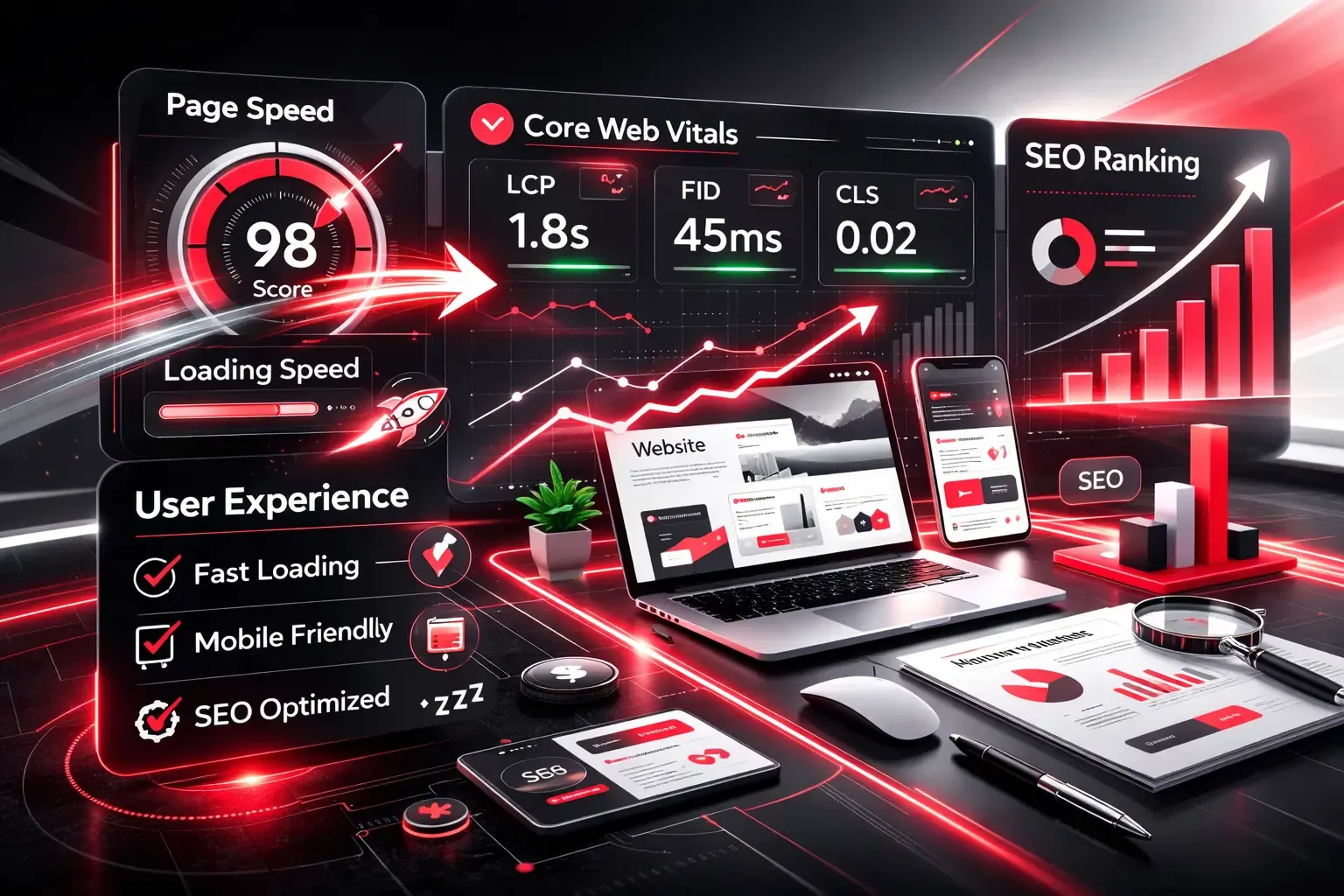
Key UX elements affecting SEO include:
- Page speed and loading performance
- Mobile responsiveness
- Navigation clarity
- Readability and layout structure
- Core Web Vitals performance
If visitors leave quickly due to slow load times or confusing design, search engines interpret that as low quality.
Businesses investing in structured UI UX optimization improve both rankings and conversions because experience directly impacts trust.
AI Overviews and Zero-Click Results Changed the Game
Search results now include AI-generated summaries, featured snippets, and instant answers. This reduces traditional click-through opportunities.
As a result:
- Ranking position alone does not guarantee traffic
- Content must be structured for snippet eligibility
- Clear definitions and concise explanations matter more
- FAQ formatting increases visibility
Traditional SEO never accounted for AI-driven result pages. Modern brands must optimize for enhanced search features, not just organic listings.
Content Depth Outperforms Content Volume
Publishing large amounts of content used to increase visibility. Today, thin or repetitive pages harm performance.
Search engines prioritize:
- Original insights
- First-hand experience
- Comprehensive topic coverage
- Logical content clustering
- Clear internal linking
Instead of writing isolated articles, brands must build topical authority.
A strong search engine optimization strategy focuses on interconnected content ecosystems rather than scattered blog posts.
Backlinks Alone Do Not Build Authority
Backlinks remain valuable, but context and relevance matter more than volume.
Modern authority is influenced by:
- Industry-specific links
- Brand mentions
- Thought leadership content
- Consistent topical focus
- Positive user engagement
Random link-building campaigns without strategic alignment offer diminishing returns.
SEO Must Integrate With Broader Marketing
Traditional SEO often operated independently from other marketing channels. Today, digital growth depends on integration.
Modern brands align SEO with:
- Content marketing
- Paid advertising
- Social media distribution
- Email campaigns
- Brand positioning
A cohesive digital marketing strategy strengthens visibility across platforms and reinforces authority signals.
When SEO works alongside other channels, performance becomes more stable and scalable.
Data and Conversions Matter More Than Rankings
Traffic alone is no longer the ultimate goal. Modern SEO success is measured by business impact.
Brands must monitor:
- Engagement metrics
- Conversion rates
- Lead quality
- Revenue attribution
- Assisted conversions
Professional search engine optimization services focus on performance-driven growth rather than vanity metrics.
The Core Shift: From Optimization to Experience
The fundamental reason traditional SEO alone no longer works is simple: search engines prioritize experience and trust.
Modern SEO combines:
- Technical excellence
- Intent-driven content
- Strong UX
- Brand authority
- Data-driven refinement
It is no longer a checklist. It is a growth system.
Conclusion
Traditional SEO tactics are not obsolete, but they are incomplete. Keywords, backlinks, and technical improvements still matter, yet they cannot drive sustainable results without strategic integration.
Modern brands must move beyond isolated optimization and adopt a comprehensive search engine optimization strategy supported by strong user experience and a unified digital marketing strategy.
Ranking today is not just about visibility. It is about delivering value, building authority, and creating seamless digital experiences that convert.


Ready to Elevate Your Brand?
Start Your Project Today