July 18, 2026
How to Create SEO-Friendly Blog Content
Milaaj Editorial / Research Insights
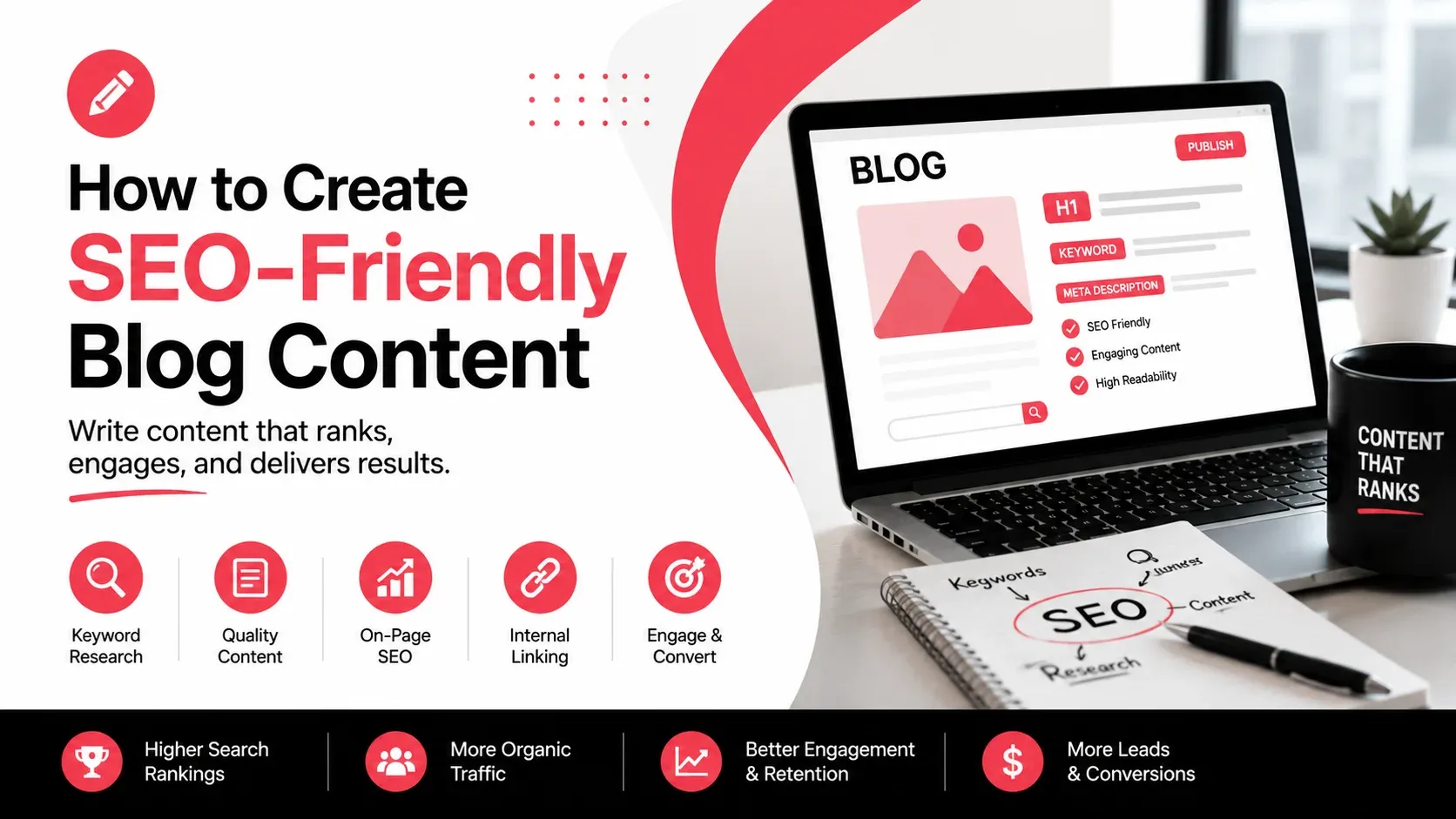
Publishing blog articles consistently doesn't guarantee higher search rankings or increased organic traffic. The most successful blogs are built around search intent, valuable information, and thoughtful optimization that helps both readers and search engines understand the content.
SEO-friendly blog content isn't about inserting keywords into every paragraph. Instead, it focuses on answering users' questions, organizing information clearly, and creating a positive reading experience while following SEO best practices.
In this guide, you'll learn the complete process of creating blog content that performs well in search results and provides genuine value to your audience.
Quick Answer
SEO-friendly blog content is written to satisfy user intent while following search engine best practices. It combines keyword research, logical content structure, useful information, optimized headings, internal linking, metadata, and readability to improve visibility and engagement.
What Makes a Blog SEO-Friendly?
An SEO-friendly blog is designed to help users find answers quickly while making it easy for search engines to understand the page.
Effective blog content should:
- Match search intent
- Provide accurate and useful information
- Follow a logical heading structure
- Use keywords naturally
- Include relevant internal links
- Load quickly
- Be easy to read on all devices
Rather than focusing on search engines alone, successful content prioritizes the needs of real readers.
Plan Before You Start Writing
Strong SEO begins before writing the first paragraph.
Planning helps ensure your article addresses the right audience, answers relevant questions, and covers the topic thoroughly.
Identify Search Intent
Understanding why someone performs a search is one of the most important parts of SEO.
Generally, search intent falls into four categories:
- Informational
- Navigational
- Commercial investigation
- Transactional
For example, someone searching for:
expects a practical guide rather than a sales page.
Aligning your content with user expectations increases its likelihood of ranking well.
Research Primary and Secondary Keywords
Keyword research helps identify the terms your audience actually uses when searching.
Focus on:
- One primary keyword
- Supporting secondary keywords
- Related search phrases
- Common questions
Avoid forcing keywords into every sentence.
Instead, use them naturally where they improve clarity and context.
Analyze Existing Search Results
Before writing, review the pages already ranking for your target keyword.
Pay attention to:
- Common topics
- Missing information
- Article structure
- Frequently asked questions
- Search intent
The goal isn't to copy competitors but to create content that's more comprehensive, useful, or easier to understand.
Create a Clear Content Structure
A well-organized article improves both readability and SEO.
Use a logical hierarchy:
- One H1 for the title
- H2 headings for main sections
- H3 headings for supporting ideas
Breaking content into manageable sections helps readers scan the page and quickly locate relevant information.
Write Headlines That Reflect Search Intent
Headings should clearly communicate what each section covers.
Instead of vague headings such as:
- More Information
- Additional Tips
- Final Thoughts
Use descriptive headings like:
- How to Research Keywords
- Optimize Images for SEO
- Common Blog SEO Mistakes
Specific headings improve readability while helping search engines understand your content.
Answer Questions Naturally
Many users search with specific questions in mind.
Where appropriate, answer questions directly before expanding on the topic.
For example:
What is SEO-friendly content?
Begin with a concise answer, then explain the concept in greater detail.
This writing style improves readability and increases the chances of matching search intent.
Focus on Readability
Even valuable information becomes less effective if it's difficult to read.
Improve readability by:
- Writing concise paragraphs
- Using bullet lists where appropriate
- Avoiding unnecessary repetition
- Explaining technical concepts clearly
- Using transitions between ideas
Readable content encourages visitors to stay engaged longer.
Businesses that invest in blog content writing often create articles that balance SEO best practices with a smooth reading experience, making complex topics easier to understand.
Add Internal Links Strategically
Internal links help readers discover related content while improving website navigation.
Link only when the destination genuinely adds value.
For example, an article about blog creation may naturally connect readers to resources on keyword research or SEO tools.
Avoid adding links simply for the sake of increasing the number of internal links.
Quality and relevance matter more than quantity.
Use Keywords Naturally
Keywords should support the topic rather than dominate it.
Place your primary keyword naturally in important areas such as:
- Title
- Introduction
- One or more headings
- Body content
- Meta description
Supporting keywords should appear where they fit naturally within the discussion.
Overusing keywords can reduce readability and create a poor user experience.
Optimize Images for SEO
Images make blog content more engaging, but they should also be optimized for performance and accessibility.
Follow these best practices:
- Use descriptive file names before uploading.
- Add meaningful alt text that describes the image.
- Compress images to reduce file size.
- Choose modern image formats where appropriate.
- Ensure images remain responsive across devices.
Well-optimized images improve page loading speed while making content more accessible to all users.
Write an Effective Meta Title and Description
Your meta title and description influence how your page appears in search results.
A strong meta title should:
- Include the primary keyword.
- Clearly describe the topic.
- Encourage users to click.
A good meta description should summarize the article naturally while explaining the value readers will receive.
Although they don't directly determine rankings, well-written metadata can improve click-through rates.
Create a Clean URL Structure
A simple URL is easier for both users and search engines to understand.
For example:
Good
yourwebsite.com/how-to-create-seo-friendly-blog-content
Less Effective
yourwebsite.com/post?id=4587&category=blog
Keep URLs:
- Short
- Descriptive
- Keyword-focused
- Free from unnecessary words or numbers
Review Before Publishing
Publishing should be the final step, not the first.
Before making your article live, review it for:
SEO Element | Best Practice |
|---|---|
Search Intent | Ensure the content fully answers the user's query |
Keywords | Use naturally without over-optimization |
Heading Structure | Maintain a logical H1–H3 hierarchy |
Internal Links | Link only to genuinely relevant pages |
Images | Optimize file size and add descriptive alt text |
Metadata | Write a clear title and compelling meta description |
A final review helps identify small improvements that can enhance both readability and search performance.
Common Blog SEO Mistakes
Even well-written articles can struggle to perform if they overlook essential SEO fundamentals.
Avoid these common mistakes:
- Writing without understanding search intent
- Stuffing keywords into every paragraph
- Using unclear or inconsistent heading structures
- Publishing thin or incomplete content
- Ignoring internal linking opportunities
- Uploading large, unoptimized images
- Skipping proofreading before publishing
Consistently avoiding these issues improves both user experience and long-term organic performance.
Monitor and Improve Performance
SEO doesn't end after publishing.
Regularly review how your content performs using metrics such as:
- Organic traffic
- Average engagement time
- Search rankings
- Click-through rate
- Internal link engagement
- Bounce rate
If an article loses visibility over time, consider updating statistics, expanding sections, refreshing examples, or improving internal links.
For deeper performance analysis, Google Search Console Guide for Beginners explains how to identify search queries, indexing issues, and optimization opportunities.
Key Takeaways
- Start with search intent before writing.
- Research keywords, but use them naturally.
- Organize content using a logical heading structure.
- Write clear, reader-focused content that answers questions.
- Optimize images, metadata, and URLs.
- Use relevant internal links to improve navigation.
- Review and update published articles to maintain SEO performance.
Create Blog Content That Delivers Long-Term SEO Value
SEO-friendly blog content is built around helping readers first and optimizing for search engines second. When your articles answer real questions, provide useful insights, and follow technical SEO best practices, they become valuable assets that continue attracting organic traffic over time.
Rather than treating SEO as a one-time task, regularly review and improve your existing content based on performance data and changing search intent. Continuous optimization helps keep your blog relevant, competitive, and useful to your audience.
Milaaj Brandset helps businesses develop strategic, search-focused content that strengthens topical authority, improves organic visibility, and supports sustainable digital growth.
FAQs
What is SEO-friendly blog content?
SEO-friendly blog content is written to satisfy user intent while following search engine best practices, including keyword optimization, logical structure, internal linking, and high-quality, valuable information.
How long should an SEO blog post be?
The ideal length depends on the topic and search intent. Most comprehensive guides perform well between 1,200 and 2,000 words when the content thoroughly answers the user's questions.
How many keywords should I use in a blog?
Focus on one primary keyword supported by relevant secondary keywords. Use them naturally throughout the article instead of repeating them excessively.
Why is search intent important for SEO?
Search intent helps ensure your content matches what users expect to find. Articles that satisfy search intent are more likely to perform well in search results and keep readers engaged.
Do internal links improve SEO?
Yes. Relevant internal links help search engines understand your website structure while guiding readers to related content and improving overall navigation.
Should I update old blog posts?
Yes. Regularly updating older articles with new information, improved examples, refreshed keywords, and additional insights helps maintain their relevance and search performance.
Ready to Elevate Your Brand?
Start Your Project Today