November 18, 2025
Website Design Principles That Convert Visitors Into Customers
Milaaj Editorial / Research Insights
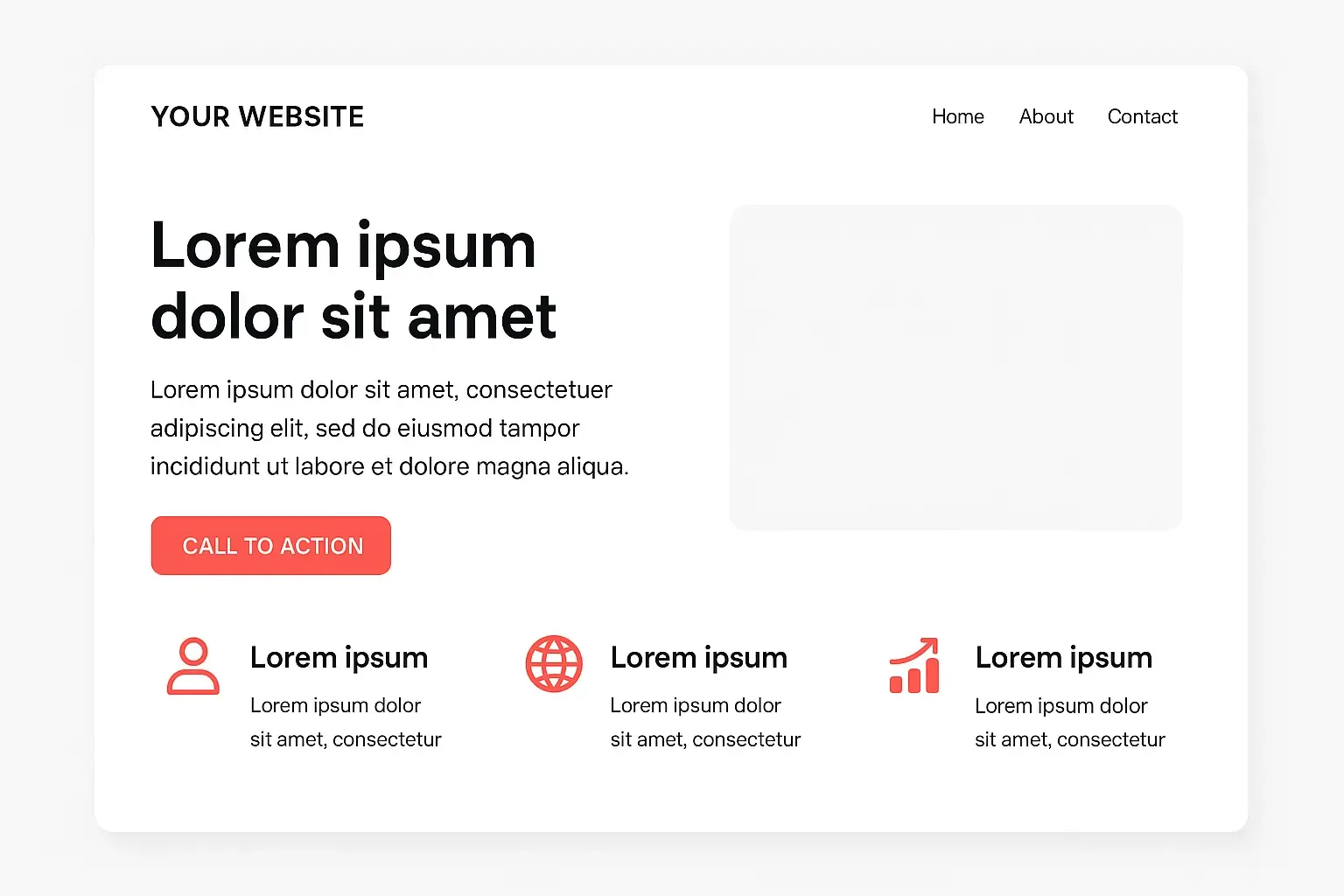
Your website is often the first impression people have of your brand. But great design is not just about looking good. It’s about guiding visitors, building trust, and helping them take action. Whether you’re selling products, booking services, or generating leads, your website must do one thing extremely well: convert visitors into customers.
This guide covers the essential website design principles that truly influence user behavior and turn browsing into buying. It’s beginner-friendly, practical, and focused on real results.
Why Website Design Matters for Conversions
A website can have great content and strong SEO, but if the design confuses users or overwhelms them, they will leave quickly. People judge a website’s credibility within seconds. When your design communicates clarity, professionalism, and ease, users stay longer and are more likely to trust you.
Good design supports conversion by:
- reducing user friction
- simplifying decisions
- highlighting important actions
- building emotional connection
- increasing trust and confidence
Your website is more than a digital brochure. It’s a conversion engine.
First Impressions: Above-the-Fold Design
Above the fold refers to the first section people see when the page loads. This area makes or breaks their decision to stay.
What this section needs:
- a clear headline explaining what you offer
- a short value statement
- one strong call-to-action button (Buy Now, Contact Us, Get a Quote)
- clean, uncluttered visuals
- trust elements (reviews, ratings, awards, badges)
Avoid crowded layouts. Visitors should understand your purpose within 5 seconds.
Clear Navigation That Helps People Explore
Navigation is one of the most important parts of conversion-focused design. If users cannot find what they need, they leave.
How to improve your navigation:
- keep the menu simple and predictable
- use short, clear labels
- group related items
- include a visible search bar
- use sticky headers so navigation remains accessible
- make mobile navigation thumb-friendly
Good navigation reduces bounce rates and improves time-on-site, which boosts conversions and SEO.
Visual Hierarchy That Guides the Eyes
Visual hierarchy helps you direct users toward the actions that matter. When elements on your page have different sizes, weights, and placements, users instinctively understand what is important.
Elements that improve hierarchy:
- larger bold headings
- contrasting colors for CTA buttons
- generous spacing between sections
- using images to draw attention to the core message
- consistent placement of important elements
For example, a Fiery Rose (#ff5365) CTA button against a white background stands out immediately and encourages action.
Strong CTAs That Tell Users What to Do
The call-to-action button is the most important conversion element on your website. It must be visible, compelling, and strategically placed.
Write CTAs that are:
- short and action-driven
- benefit-focused
- clear and specific
Examples:
- “Book Your Free Consultation”
- “Shop the Latest Offers”
- “Start Your Project Today”
Avoid generic buttons like “Submit.” Clear CTAs increase click-through rates instantly.
Using Color Psychology to Influence Actions
Color influences how users feel and what they do. When used correctly, it can improve conversions.
Example with your brand palette:
- Fiery Rose (#ff5365): great for call-to-action buttons, highlights, and micro-interactions
- Black: strong for text, headings, and contrast
- White: perfect for clean backgrounds and modern simplicity
Consistency builds familiarity. Familiarity builds trust. And trust improves conversions.
High-Quality Visuals That Build Trust
People make decisions visually, especially online.
Use visuals that:
- highlight your products or services clearly
- show real people using your products
- illustrate benefits
- support your brand message
- feel authentic, not overly staged
Avoid poor-quality or low-resolution images. They harm trust and reduce conversions.
Fast Loading Speed: The Silent Conversion Booster
Users leave if your website takes more than a few seconds to load. Slow sites lose sales, rankings, and credibility.
Improve speed by:
- compressing images
- minimizing code
- using a fast hosting provider
- enabling browser caching
- reducing unnecessary plugins
Fast loading improves conversions and SEO at the same time.
Mobile-First Design for Modern Consumers
Most users browse on mobile. If your site doesn’t work well on phones, you’re losing customers daily.
A mobile-friendly site includes:
- large, readable text
- properly sized buttons
- smooth scrolling
- simple navigation
- fast-loading images
- easy checkout on e-commerce stores
Mobile-first design is no longer optional. It’s a conversion essential.
Social Proof That Builds Credibility
People trust other people’s experiences more than brands. Displaying social proof reduces hesitation.
Include:
- testimonials
- case studies
- reviews
- user-generated content
- client logos
- before–after comparisons
Each piece of social proof strengthens conversion confidence.
Content That Speaks Directly to the User
Even the best design won’t convert if your messaging is vague. Clear, conversational content that solves a user’s problem converts better.
Write content that:
- explains benefits, not features
- is short, clear, and helpful
- answers questions before users ask
- uses simple language
- stays aligned with your brand voice
Informative content keeps users engaged and builds trust.
Smart Use of White Space
White space (empty space) is not empty. It gives users breathing room so they can focus on what truly matters.
Benefits of white space:
- cleaner design
- easier reading
- reduced cognitive load
- improved attention on CTAs
Clean layouts build trust and improve conversions effortlessly.
Internal Links That Support User Flow
Internal links guide users to relevant pages they might want to explore.
Example internal links you can use:
- Website Design Services in Dubai
- Digital Branding Services
Internal linking improves navigation, SEO, and conversions at once.
A Conversion-Optimized Footer
The footer is often overlooked, but many users scroll there for important info.
Include:
- contact details
- quick links
- social media
- support policies
- company info
- CTA buttons
A strong footer increases trust and reduces drop-offs.
Conclusion
A website that converts is not built by accident. It’s created through thoughtful design, clear messaging, strong visuals, and user-friendly structure. When visitors find it easy to understand your offer, navigate your pages, trust your brand, and take action, conversions improve naturally.
If you want to design a website that blends beauty, usability, and performance, explore:
Both pages offer solutions that help you build a visually powerful, high-converting online presence.
Ready to Elevate Your Brand?
Start Your Project Today