August 6, 2026
WooCommerce SEO Guide for Beginners to Improve Search Rankings
Milaaj Editorial / Research Insights
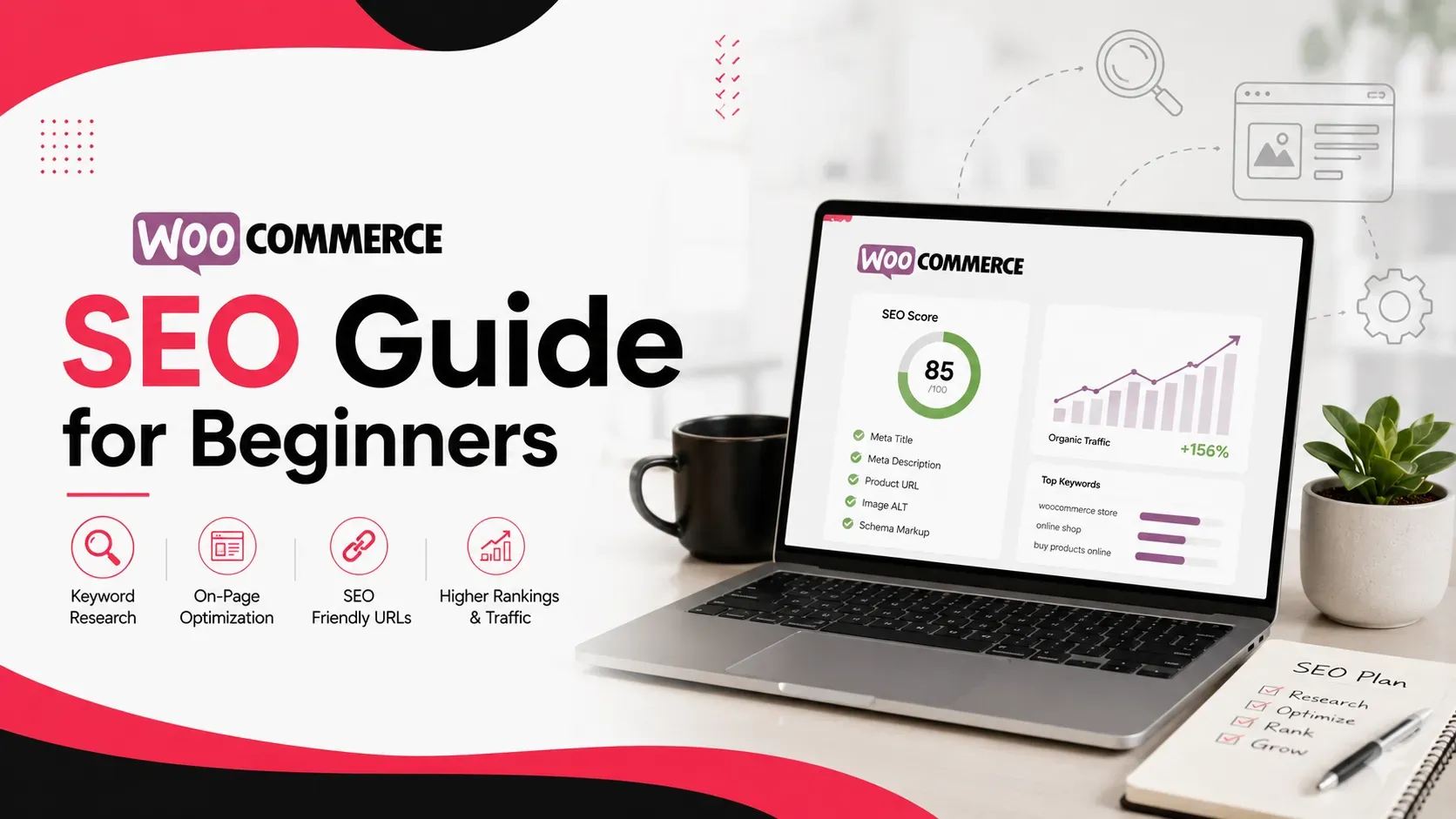
WooCommerce has become one of the world's most popular ecommerce platforms because it combines the flexibility of WordPress with powerful online selling capabilities. However, launching a WooCommerce store is only the first step. To attract customers consistently without relying solely on paid advertising, your store needs a strong search engine optimization (SEO) strategy.
One of WooCommerce's biggest advantages is the level of control it gives store owners. Unlike many hosted ecommerce platforms, WooCommerce allows you to customize URLs, optimize technical SEO, choose powerful SEO plugins, improve website performance, and create content that aligns with your business goals. When used effectively, these features can significantly improve your visibility in search results.
If you're new to SEO, the process may seem overwhelming at first. Fortunately, you don't need to master every technical concept immediately. By focusing on the fundamentals, you can build a solid foundation that supports long-term organic growth.
This beginner's guide explains the essential WooCommerce SEO practices that help online stores improve rankings, attract qualified visitors, and increase sales.
Quick Answer
WooCommerce SEO involves optimizing your WordPress website, product pages, categories, technical settings, and content so search engines can understand and rank your online store more effectively. Using SEO plugins, improving site speed, targeting relevant keywords, and creating helpful content are some of the most effective ways to grow organic traffic.
Why WooCommerce Is Strong for SEO
WooCommerce inherits many of WordPress's SEO advantages, giving businesses greater flexibility than many ecommerce platforms.
Key benefits include:
- Full control over URLs
- Customizable metadata
- Extensive SEO plugin support
- Flexible content management
- Structured internal linking
- Easy blog integration
- Schema implementation options
This flexibility allows store owners to create an SEO strategy tailored to their products, customers, and business objectives.
Start With Proper Keyword Research
Before optimizing any page, understand how your customers search.
Focus on keywords that match buying intent rather than simply targeting high search volume.
Examples include:
Broad Keyword | Better Search Intent |
|---|---|
Office desk | Buy office desk online |
Coffee grinder | Manual coffee grinder for home |
Running shoes | Men's running shoes UAE |
Wireless speaker | Portable Bluetooth speaker |
Intent-driven keywords attract visitors who are more likely to convert into customers.
Businesses offering professional SEO services typically perform detailed keyword research to identify valuable search opportunities, understand customer intent, and build SEO strategies that generate sustainable organic growth.
Configure SEO-Friendly Permalinks
One of the first WooCommerce SEO settings beginners should review is the permalink structure.
A clean URL helps both users and search engines understand page content.
Example:
Less Effective
example.com/?product=458
Better
example.com/wireless-bluetooth-speaker
Short, descriptive URLs improve readability while supporting better search visibility.
Optimize Product Titles
Your product title is often the first element search engines and customers see.
An effective title should:
- Clearly describe the product
- Include the primary keyword naturally
- Mention important attributes when useful
- Avoid unnecessary repetition
Instead of adding multiple keywords, prioritize clarity and relevance.
Write Original Product Descriptions
Many WooCommerce stores publish manufacturer descriptions that appear across numerous websites.
Unique descriptions provide more value to both customers and search engines.
Include information such as:
- Product benefits
- Features
- Materials
- Specifications
- Usage recommendations
- Care instructions
- Frequently asked questions
Original content helps differentiate your products while improving search relevance.
Optimize Product Categories
Category pages often compete for broader search terms than individual products.
Each category should include:
- A unique introduction
- Clear headings
- Helpful buying guidance
- Internal links to related categories
- Optimized metadata
Well-developed category pages help search engines understand your store structure while improving navigation for customers.
Use SEO Plugins Wisely
One advantage of WooCommerce is its compatibility with powerful SEO plugins.
Popular options include:
- Yoast SEO
- Rank Math
- All in One SEO
These tools help beginners manage:
- Meta titles
- Meta descriptions
- XML sitemaps
- Canonical URLs
- Schema settings
- Social sharing previews
While plugins simplify many SEO tasks, they should support a thoughtful strategy rather than replace it.
Build Logical Internal Links
Internal linking helps distribute authority throughout your WooCommerce store while making it easier for visitors to discover related content.
Consider linking between:
- Products
- Categories
- Buying guides
- Blog articles
- Related collections
- Informational resources
A clear linking structure improves navigation while strengthening overall SEO.
For a broader understanding of optimizing online stores for search engines, read our guide on Ecommerce SEO, which explores the core SEO principles that support long-term ecommerce growth regardless of platform.
Improve Website Speed
WooCommerce stores often rely on themes, plugins, and media files that can affect loading performance.
Improve speed by:
- Compressing images
- Removing unused plugins
- Choosing reliable hosting
- Enabling browser caching
- Optimizing CSS and JavaScript
- Using a lightweight theme
Faster websites improve both user experience and search performance.
Businesses investing in professional E-commerce solutions frequently optimize WooCommerce stores with scalable architecture, performance improvements, and conversion-focused design to support sustainable online growth.
Optimize Images for Search and Performance
Product images play an important role in both user experience and SEO.
Follow these best practices:
- Upload high-quality images without excessive file sizes
- Use descriptive filenames before uploading
- Add meaningful alt text that describes the product
- Use modern image formats where supported
- Enable lazy loading for image-heavy pages
Optimized images improve page speed while helping search engines understand visual content.
Create Helpful Ecommerce Content
A WooCommerce store shouldn't rely solely on product pages to attract visitors.
Publishing useful content allows you to target informational searches while guiding readers toward relevant products.
Content ideas include:
- Buying guides
- Product comparisons
- How-to articles
- Industry trends
- Maintenance tips
- Frequently asked questions
Educational content helps establish topical authority while supporting customers throughout their buying journey.
Use Structured Data
Structured data provides additional context about your products to search engines.
Useful schema types include:
- Product
- Organization
- Breadcrumb
- Review
- FAQ
- Article
Proper implementation can improve how your listings appear in search results by displaying details such as ratings, pricing, stock availability, and other rich information.
Monitor Your SEO Performance
SEO is an ongoing process that requires regular evaluation.
Useful tools include:
- Google Search Console
- Google Analytics 4
- Google Merchant Center
- Rank tracking tools
- SEO auditing tools
Monitor important performance indicators such as:
Metric | Why It Matters |
|---|---|
Organic Traffic | Measures visitors arriving from search engines. |
Keyword Rankings | Shows improvements in search visibility. |
Product Page Performance | Identifies products attracting the most search traffic. |
Click-Through Rate (CTR) | Measures how often users click your search listings. |
Conversion Rate | Connects SEO performance with actual sales. |
Core Web Vitals | Evaluates loading speed, responsiveness, and visual stability. |
Tracking these metrics helps identify opportunities to improve both visibility and user experience.
Avoid Common WooCommerce SEO Mistakes
Many beginners unknowingly limit their store's SEO potential by making avoidable mistakes.
Mistake | Better Approach |
|---|---|
Copying manufacturer descriptions | Write unique, customer-focused product content. |
Publishing duplicate meta titles | Create original titles and descriptions for important pages. |
Installing too many plugins | Keep only essential plugins to maintain performance. |
Ignoring category page content | Add unique introductions and helpful buying information. |
Uploading oversized images | Compress images before publishing. |
Weak internal linking | Connect related products, categories, and blog articles naturally. |
Correcting these issues creates a stronger SEO foundation that supports long-term growth.
Make Your Store Easy to Crawl
Search engines should be able to discover and understand every important page on your WooCommerce website.
Regularly review:
- XML sitemap generation
- Robots.txt configuration
- Broken internal links
- Redirects after product changes
- Canonical URLs
- Crawl errors reported in Google Search Console
Keeping your site technically healthy ensures search engines can index your products efficiently and reduces the risk of losing valuable organic visibility.
Key Takeaways
- WooCommerce offers extensive SEO flexibility through the WordPress ecosystem.
- Keyword research should prioritize customer intent rather than search volume alone.
- Original product descriptions and optimized category pages improve search relevance.
- SEO plugins simplify optimization but should support a broader SEO strategy.
- Website speed, structured data, and logical internal linking strengthen both rankings and user experience.
- Regular monitoring and technical maintenance help sustain long-term organic growth.
Build a Strong SEO Foundation for Your WooCommerce Store
WooCommerce gives businesses the flexibility to build an online store that performs well for both customers and search engines. By combining thoughtful keyword targeting, optimized product content, technical best practices, and continuous performance improvements, even beginners can create a store that attracts qualified organic traffic over time.
Rather than chasing quick SEO wins, focus on building a well-structured website that delivers value, answers customer questions, and provides an excellent shopping experience. As your catalogue grows and your content expands, these foundational practices will continue supporting stronger visibility and sustainable ecommerce growth.
Milaaj Brandset helps businesses optimize WooCommerce stores with technical SEO, conversion-focused ecommerce strategies, and scalable digital solutions designed to improve search visibility, user experience, and long-term online success.
FAQs
Is WooCommerce good for SEO?
Yes. WooCommerce is built on WordPress, giving store owners extensive control over URLs, metadata, content, technical SEO, and plugin integrations that support strong search performance.
Which SEO plugin is best for WooCommerce?
Popular options include Yoast SEO, Rank Math, and All in One SEO. Each helps manage metadata, XML sitemaps, schema markup, and other essential SEO settings.
Should every WooCommerce product have a unique description?
Absolutely. Unique product descriptions help search engines distinguish your pages from competitors while providing customers with valuable information that supports purchasing decisions.
Why are category pages important for WooCommerce SEO?
Category pages target broader commercial keywords, organize products effectively, improve internal linking, and help customers navigate your store more easily.
Does website speed affect WooCommerce rankings?
Yes. Fast-loading pages improve user experience, support Core Web Vitals, reduce bounce rates, and contribute to better search visibility.
How often should WooCommerce SEO be reviewed?
Review your SEO regularly by monitoring keyword rankings, organic traffic, technical health, Core Web Vitals, and product performance to identify opportunities for continuous improvement.
Ready to Elevate Your Brand?
Start Your Project Today