July 20, 2026
Beginner's Guide to Technical SEO: Understanding the Basics
Milaaj Editorial / Research Insights
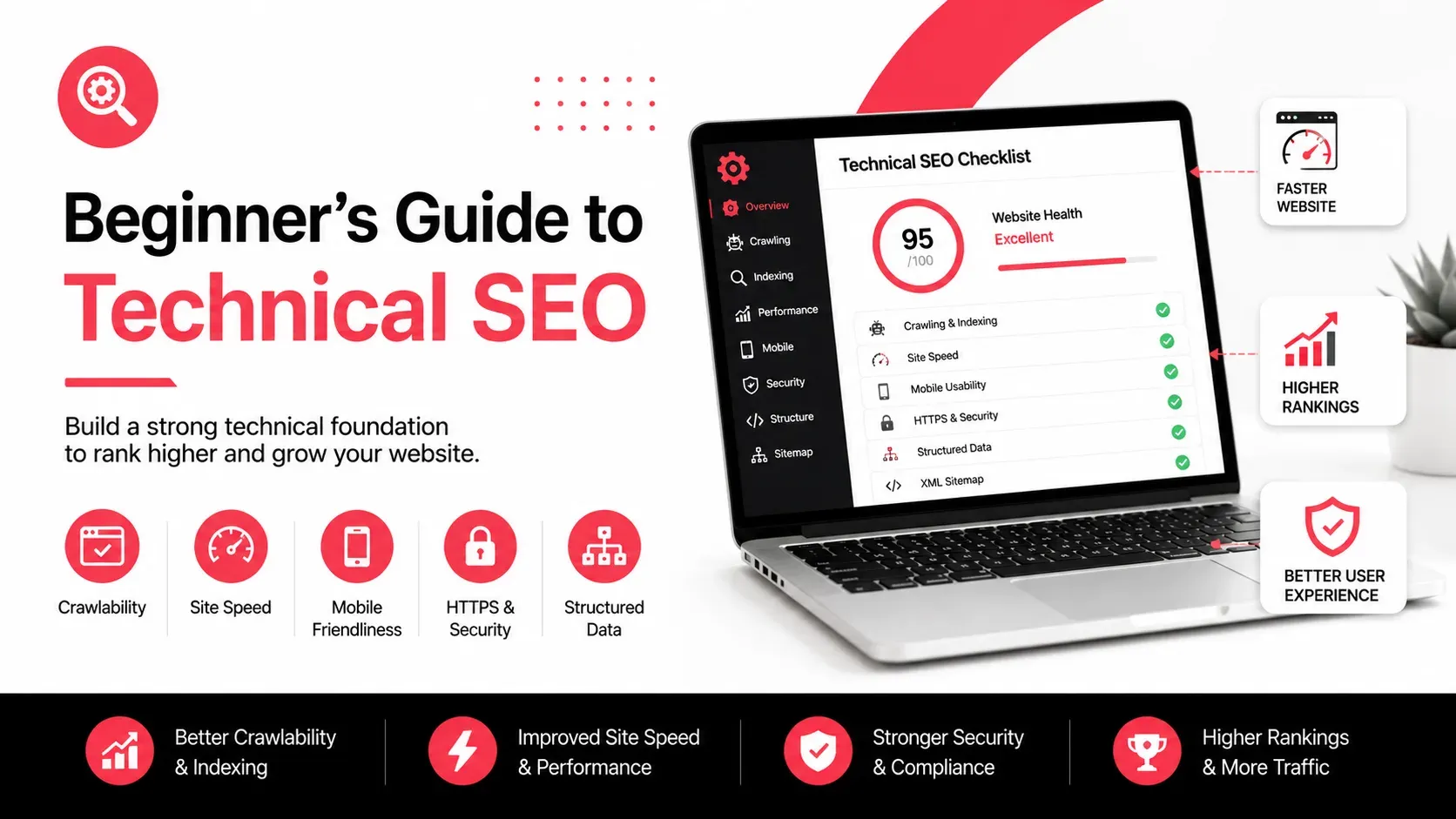
Technical SEO often sounds intimidating, especially for beginners. Terms like crawling, indexing, canonical tags, and XML sitemaps can make it seem like technical SEO is only for developers. In reality, understanding the fundamentals doesn't require advanced programming knowledge. It simply means learning how search engines access, interpret, and organize your website.
Unlike content optimization or link building, technical SEO focuses on the foundation of a website. When that foundation is strong, search engines can discover your pages more efficiently, understand their purpose, and deliver them to users searching for relevant information.
This beginner's guide introduces the core concepts of technical SEO without diving into complex implementation. By the end, you'll understand the terminology, why technical SEO matters, and which topics to explore as your knowledge grows.
Quick Answer
Technical SEO is the process of improving a website's technical foundation so search engines can crawl, understand, and index its pages effectively. It includes concepts such as website structure, crawling, indexing, XML sitemaps, HTTPS, and page performance, all of which support better visibility in search results.
What Is Technical SEO?
Technical SEO focuses on how search engines interact with your website rather than what your content says.
While on-page SEO improves the quality of your content and off-page SEO builds authority through external signals, technical SEO ensures your website can be accessed and understood correctly.
Think of a website like a library:
- Your content is the collection of books.
- On-page SEO organizes each book.
- Off-page SEO builds the library's reputation.
- Technical SEO makes sure visitors can actually enter the building, locate books, and navigate every section.
Without a solid technical foundation, even excellent content may struggle to reach its full search potential.
Why Technical SEO Matters
Search engines must first discover and understand your website before they can rank it.
If important pages cannot be crawled or indexed properly, they may never appear in search results, regardless of how valuable the content is.
A technically sound website helps:
- Improve search engine accessibility
- Support faster page loading
- Create better website organization
- Improve user experience
- Reduce indexing issues
- Make future SEO efforts more effective
Technical SEO doesn't replace content marketing or keyword optimization—it supports them.
How Search Engines Understand a Website
Before displaying pages in search results, search engines complete several important processes.
Understanding these stages helps beginners see why technical SEO is necessary.
Crawling
Crawling is the process of discovering webpages.
Search engines use automated programs, often called crawlers or bots, to follow links between pages and identify new or updated content.
If a page cannot be reached through links or is intentionally blocked, search engines may never discover it.
Indexing
After discovering a page, search engines analyze its content to decide whether it should be stored in their search index.
Being crawled doesn't automatically mean a page will be indexed.
Factors such as duplicate content, poor quality, or technical issues may prevent indexing.
Only indexed pages are eligible to appear in search results.
Rendering
Modern websites often use interactive features powered by JavaScript and other technologies.
Rendering is the process of loading and interpreting these elements so search engines can understand what users actually see.
Websites that rely heavily on scripts should ensure important content remains accessible during this process.
Technical SEO vs On-Page SEO vs Off-Page SEO
Although these areas work together, they each focus on different aspects of search optimization.
SEO Type | Primary Focus |
|---|---|
Technical SEO | Website infrastructure, crawling, indexing, and accessibility |
On-Page SEO | Content quality, keywords, headings, and user intent |
Off-Page SEO | Authority, backlinks, brand mentions, and external trust signals |
A successful SEO strategy combines all three rather than relying on just one.
Technical SEO Terms Every Beginner Should Know
Learning a few essential terms makes technical SEO much easier to understand.
XML Sitemap
An XML sitemap is a file that helps search engines discover the important pages on your website.
Rather than replacing internal links, it acts as a roadmap that highlights content you want search engines to crawl.
Robots.txt
The robots.txt file provides instructions about which areas of a website search engines may or may not access.
It helps manage crawler behavior but should be used carefully to avoid accidentally restricting important pages.
Canonical URL
Sometimes similar content exists on multiple URLs.
A canonical URL tells search engines which version should be treated as the preferred page, helping reduce duplicate content issues.
Redirect
A redirect automatically sends visitors and search engines from one URL to another.
Redirects are commonly used when pages are moved, renamed, or removed, helping preserve a smooth browsing experience.
HTTPS
HTTPS encrypts data transferred between a website and its visitors.
Beyond improving security, HTTPS has become a standard expectation for modern websites and contributes to building user trust.
Technical SEO Isn't Just for Developers
One of the biggest misconceptions about technical SEO is that only developers need to understand it.
While developers often implement technical changes, marketers, business owners, and content creators also benefit from understanding the fundamentals.
Businesses investing in technical SEO consulting can better identify opportunities to improve website performance while collaborating more effectively with developers and SEO professionals.
What Beginners Should Learn First
Trying to master every aspect of technical SEO at once can quickly become overwhelming. Instead, build your knowledge gradually by focusing on the fundamentals.
A practical learning path includes:
- Understanding how search engines crawl websites.
- Learning the difference between crawling and indexing.
- Exploring how website structure affects navigation.
- Becoming familiar with XML sitemaps and robots.txt.
- Learning how page speed and mobile usability influence user experience.
- Using SEO tools to identify technical issues rather than guessing.
Once you're comfortable with these concepts, you'll find it much easier to understand more advanced technical SEO topics.
Common Technical SEO Myths
Beginners often come across misconceptions that make technical SEO seem more complicated than it really is.
Myth | Reality |
|---|---|
Technical SEO is only for developers. | Anyone involved in website management benefits from understanding the basics. |
Publishing more pages automatically improves rankings. | Quality, relevance, and technical accessibility matter more than page count. |
Installing an SEO plugin completes technical SEO. | Plugins help, but they don't replace ongoing optimization and monitoring. |
Technical SEO is a one-time task. | Websites should be reviewed regularly as content, technology, and search engines evolve. |
Technical SEO alone improves rankings. | Strong technical SEO supports content quality, user experience, and authority—it doesn't replace them. |
Understanding these misconceptions helps beginners focus on the areas that genuinely improve website performance.
Building a Strong Technical Foundation
Technical SEO isn't about chasing every new recommendation or implementing complex solutions immediately.
Instead, think of it as building a strong foundation for your website.
A technically healthy website typically has:
- Clear navigation
- Logical page organization
- Secure connections
- Fast loading pages
- Mobile-friendly layouts
- Accessible content
- Easy-to-understand URLs
When these fundamentals are in place, future SEO improvements become much easier to implement.
When You're Ready to Learn More
Once you've learned the basics, the next step is understanding how technical SEO is applied in real-world website optimization.
Topics such as crawl optimization, Core Web Vitals, structured data, canonical implementation, redirect management, and technical audits require more detailed explanations than an introductory guide can provide.
For a deeper understanding of these implementation-focused topics, explore Technical SEO Guide for UAE Websites, which covers advanced technical optimization techniques in greater detail.
Key Takeaways
- Technical SEO helps search engines discover, understand, and index your website.
- Crawling, indexing, and rendering are fundamental concepts every beginner should understand.
- Technical SEO works alongside on-page and off-page SEO rather than replacing them.
- Learning common technical terminology makes advanced SEO easier to understand.
- A strong website foundation supports better user experience and long-term SEO performance.
- Technical SEO should be monitored regularly as websites continue to evolve.
Start with the Fundamentals
Learning technical SEO doesn't require becoming a developer or memorizing every technical standard. By understanding the basic concepts first, you'll be better prepared to make informed decisions, communicate with SEO professionals, and recognize opportunities to improve your website over time.
As your knowledge grows, you can gradually explore more advanced optimization techniques without feeling overwhelmed. A strong understanding of the fundamentals makes every future SEO improvement more meaningful and effective.
Milaaj Brandset helps businesses build technically sound websites that provide strong foundations for sustainable search visibility and long-term digital growth.
FAQs
What is technical SEO?
Technical SEO focuses on improving a website's technical foundation so search engines can crawl, understand, and index its pages effectively.
Is technical SEO difficult to learn?
Not necessarily. Beginners can start by learning core concepts such as crawling, indexing, XML sitemaps, website structure, and page performance before moving on to more advanced topics.
What's the difference between crawling and indexing?
Crawling is the process of discovering webpages, while indexing is the process of storing and organizing those pages so they can appear in search results.
Do I need coding skills to understand technical SEO?
No. While implementing some technical changes may require development knowledge, understanding the principles of technical SEO is valuable for marketers, business owners, and content creators as well.
Is technical SEO only important for large websites?
No. Websites of all sizes benefit from having a strong technical foundation that helps search engines access content efficiently and provides a better user experience.
How often should technical SEO be reviewed?
It's a good practice to review technical SEO periodically, especially after website redesigns, major content updates, platform migrations, or changes that could affect website performance and search visibility.
Ready to Elevate Your Brand?
Start Your Project Today